







You get the quotation. You see “Production lead time: 30 days.” You plug it into your project plan, promise your client, and move on. Three months later, the container hasn’t even left the port—and your client’s legal team is warming up.
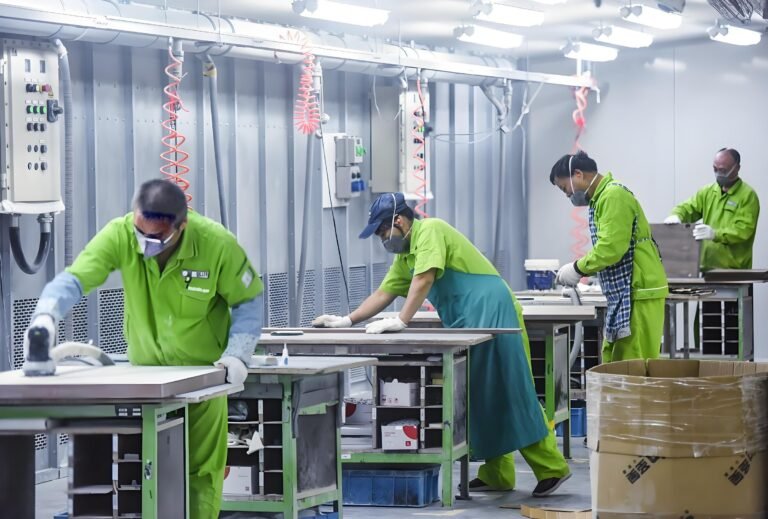
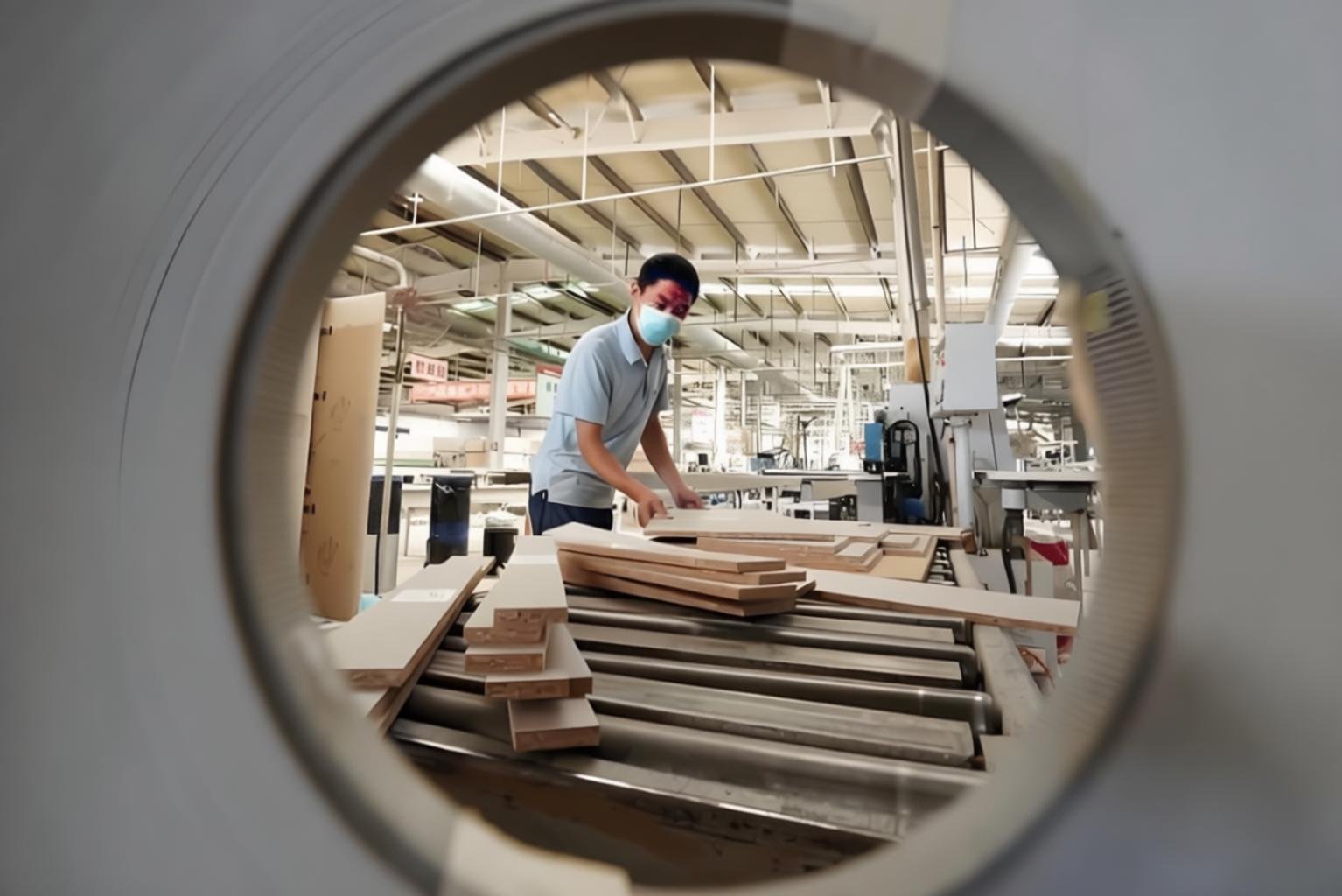
Here’s the thing: the factory didn’t technically lie. They just used a definition you weren’t expecting. Their “30 days” is the net assembly cycle—the pure clock time from the moment raw materials are kitted and machines are dialed in, to the moment the last screw is tightened and the carton is taped. It has nothing to do with what you assumed: the full door-to-port calendar span.
This mismatch has been standard practice in the furniture belt for decades. Sales teams quote net assembly because the number wins RFQs. Buyers read it as total lead time. Neither side explicitly defines “start” and “finish” before the contract is signed. When the delay hits, the factory pulls out the fine print; the buyer feels played. That cognitive disconnect is the root of almost every lead-time fight that follows.
The Full 90-Day Breakdown: Where the Calendar Bleeds
After ten years running orders across the Pearl River Delta, Yangtze River Delta, and Bohai Rim, I’ve seen the same time ledger repeat itself. A typical order bleeds calendar days through a chain of invisible stages. The figures below reflect mid-to-large scale factory norms—not outliers.
| Stage | Upholstery | Solid Wood | Metal / Outdoor | Notes |
|---|---|---|---|---|
| Order confirmation & scheduling | 3–7 days | 5–10 days | 3–7 days | Peak season can stretch to 10–15 days; big plants protect repeat clients first |
| Raw material procurement | 5–10 days | 10–20 days | 5–10 days | Solid wood adds 15–20 days for kiln drying and moisture equilibrium; slower in rainy season |
| Cutting / Framing / Welding | 2–3 days | 3–5 days | 3–5 days | Metal outdoor includes welding and grinding |
| Coating / Surface cure | 1–2 days | 10–15 days | 5–7 days | Solid wood oil finishes need multiple spray-and-dry cycles; metal includes powder curing |
| Upholstery / Final assembly | 2–3 days | 2–3 days | 2–3 days | Upholstery includes cutting, sewing, foam fitting, and covering |
| Hardware & component supply | 3–7 days | 3–7 days | 3–7 days | Mostly outsourced: mechanisms, motors, foam, fabric |
| QC & rework | 2–3 days | 3–5 days | 2–3 days | Full pre-shipment inspection plus batch rework if needed |
| Packing & shipping prep | 1–2 days | 1–2 days | 1–2 days | Export crate packing (plywood frame SOP) and freight booking |
| Standard full-cycle lead time | 15–30 days | 45–60 days | 30–45 days | Complex solid wood finishes may reach 60–90 days |
| Peak season uplift (3–6 months post-Canton Fair) | 45–60 days | 60–90 days | Approx. +30% | Systemic capacity crunch compounded by raw material volatility |
Hard time you can’t negotiate away: Kiln drying solid wood takes 15–20 days; moisture content must hit 8%–12% before machining—that’s physics, not opinion. Upholstery fabric out of stock or below MOQ forces the factory to wait for supplier consolidation or vendor swaps, easily adding 7–14 days. Metal powder coating needs a 180–200°C bake; when the shop floor drops below 20°C in winter, cure efficiency falls by over 30%.
Seven Industry Truths Nobody Wants to Tell You
1. Scheduling isn’t first-come-first-served. It’s first-come-first-served plus who-you-know-and-how-big-you-are.
Factory capacity is finite. The scheduling logic is never fair. Repeat high-volume clients get the first slots. Quick-turn, high-margin jobs get expedited treatment. New or small-batch orders wait in line. A 200-piece sofa program in peak season can easily sit behind a 2,000-piece repeat order, burning 10–15 days in queue. During that time, nothing physical happens to your order—but your calendar eats it anyway.
2. Raw material volatility is the number-one delay culprit
Tracking 380+ orders, one number stands out: only about 18% of custom orders deliver within the factory’s quoted lead time, averaging 21 days late; 72% of those delays don’t come from slow assembly, but from upstream raw material and component supply fluctuations. Solid wood moves from forest to sawmill to kiln; during rainy seasons, moisture content won’t drop, and the factory waits. Upholstery fabrics come from Keqiao or Foshan; when a color is out of stock or MOQ isn’t met, the plant either waits to consolidate or scrambles for a new vendor. Metal tubing and aluminum profiles track commodity prices, so factories buy to order rather than carrying inventory, stretching procurement further.
3. Coating cure is chemical time, not labor time
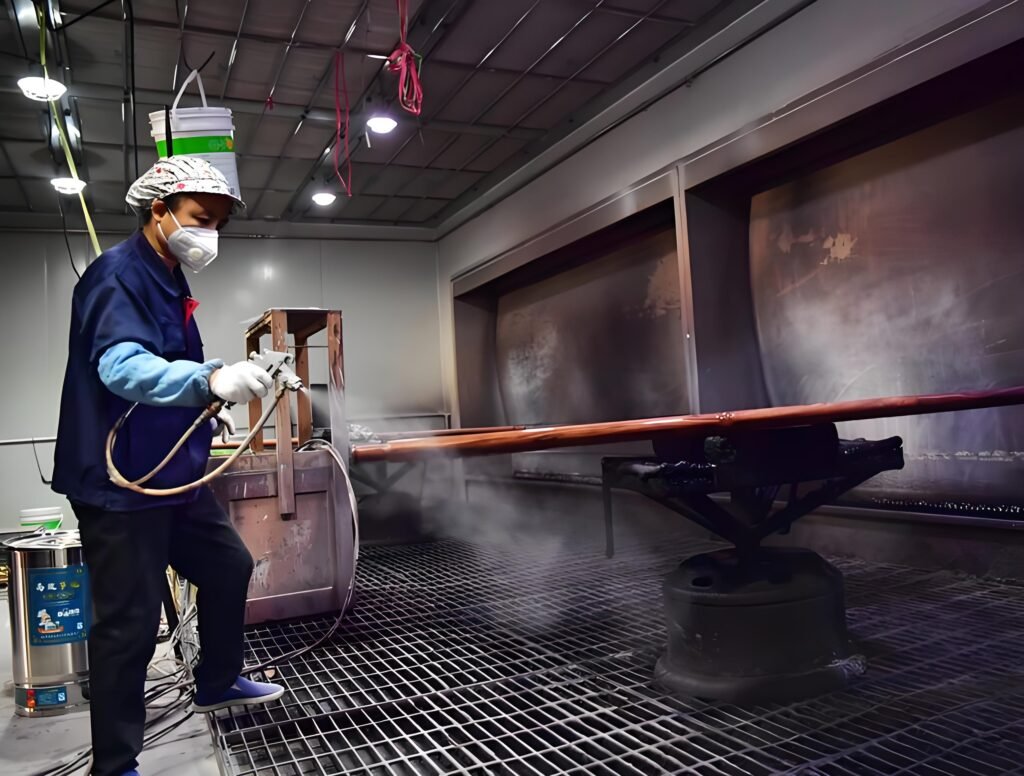
Solid wood finishing is a black hole. PU or NC lacquer needs to tack off—4–6 hours minimum, 24+ hours for full cure. Complex open-grain, distressed, or stained finishes loop through 15–20 days. Southern monsoons push humidity past 70%, and water-based coatings slow down even more. Powder-coated metal requires a 180–200°C bake for 20–30 minutes, plus cooldown, before anyone can touch it. These durations are locked by coating chemistry. You can throw more workers at the spray gun, but you can’t make the solvent evaporate faster.
4. Components are single-point blockers—one missing piece stalls everything
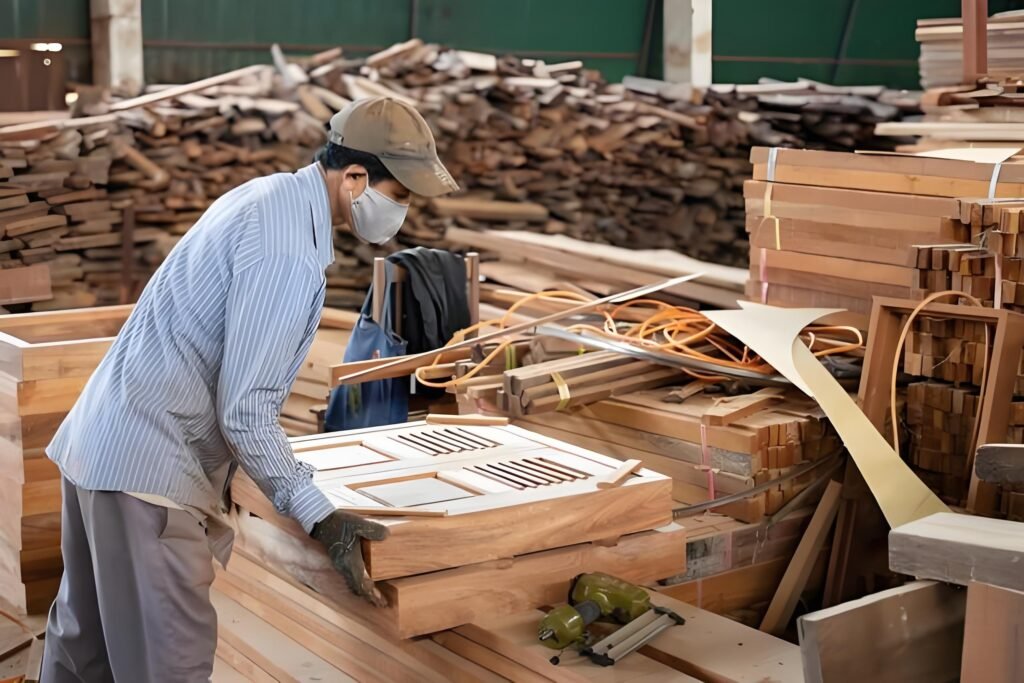
Modern furniture leans hard on outsourced parts: power recliner motors, adjustable bed lift systems, outdoor Textilene and quick-dry foam. These suppliers are often in different cities with their own lead times. Factory control over them is far weaker than over in-house processes. The worst scenario: the sofa frame is fully upholstered, but the specified imported motors are stuck in customs clearance. The entire batch sits in warehouse limbo. Component delays have a nasty trait—one missing item, and the whole order stops dead.
5. QC rework is the price of mismatched standards
The factory builds to domestic standards; your QC inspects to export standards. Color variance, paint speck, seam misalignment get flagged in bulk. Rework isn’t a quick patch. It often means disassembling finished goods and feeding them back into coating or upholstery lines—30%–50% of original stage time, plus re-queueing. The sneakier problem: under delivery pressure, some factories downgrade rework standards to ship on time. The container arrives, and the buyer finds the defects. That’s the “lead time wins, quality loses” trap.
6. Post-Canton Fair peak season: delays are systemic, not personal
Export demand peaks in the 3–6 months following each Canton Fair (March and October). Workshop saturation hits the ceiling. Overtime bumps against legal limits. Raw material suppliers are equally maxed out. Upholstery stretches from 15–30 days to 45–60 days. Solid wood goes from 45–60 days to 60–90 days. Metal and outdoor bump roughly 30%. This isn’t one sloppy factory. It’s the entire supply chain hitting its physical ceiling. Rush charges won’t help when there’s literally no floor space left.
7. Sales reps will promise any lead time to lock the deposit
This is one of the most frustrating internal logics in the belt. Sales teams are compensated on order volume, not delivery accuracy. Some reps promise theoretically impossible lead times at the RFQ stage, bag the deposit and contract, then dump the pressure on production planning. Planners receive orders with deadlines that have no relation to available capacity, but the money is already in the bank. The only options are forced expediting or crash production. This disconnect between front-end promises and back-floor reality is widespread among sub-scale factories. Buyers who don’t demand a written production schedule before signing walk straight into it.
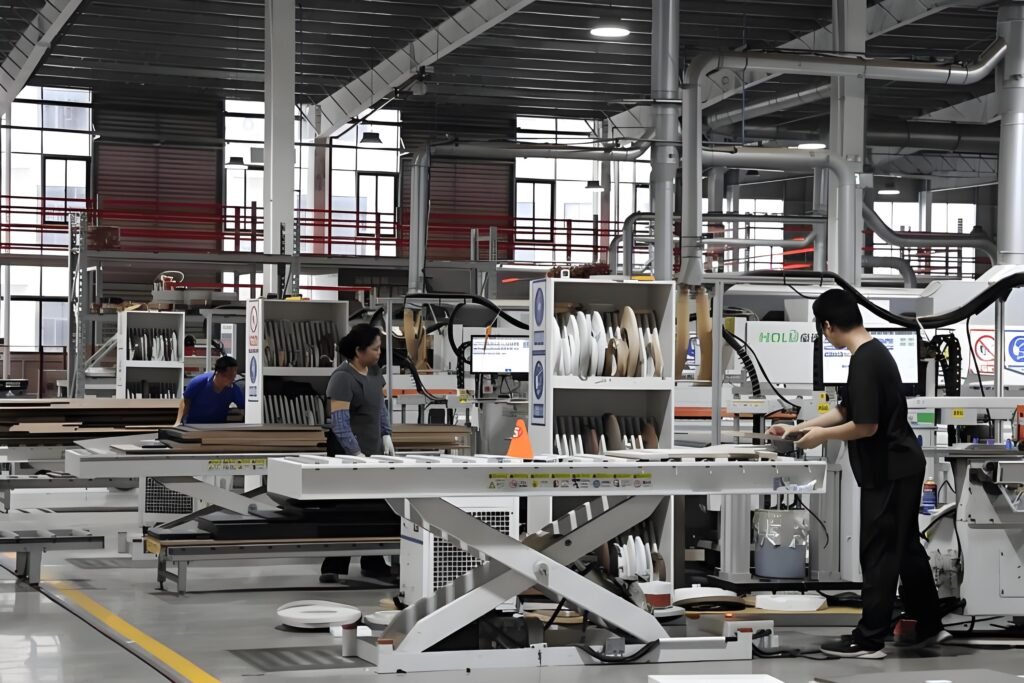
When It’s the Factory’s Fault—and When It’s Yours
Not every delay belongs to the plant. Drawing the line tells you where to spend your energy.
Factory’s side of the street: Capacity planning failures (taking orders while already saturated), process control gaps (excessive rework from sloppy finishing), ambiguous quality standards (failing to align acceptance criteria before cutting), and weak vendor management for outsourced parts (no backup supply chain). These are operational competence issues that factory audits and pre-production meetings filter out.
Your side of the street: Incomplete production data packages (BOMs, color standards, hardware specs delivered late), frequent design changes after production launch, delayed payment milestones (holding up material release), and over-customized specs that push the plant outside standard process windows. These share one trait: they happen at the buyer-factory interface, and you own them completely.

Real-world example: a European hotel buyer changed fabric color codes in week three, after the original textile had already been cut. The factory had to re-source, re-schedule, and add 20 days. Root cause sat on the buyer’s side, but the delay usually gets booked against the factory. The smarter play: freeze all design variables before order confirmation, sign a “design freeze acknowledgment,” and run any post-launch changes through formal engineering-change protocol with written lead-time adjustments.
How to Compress Lead Time Without Begging
The core logic isn’t “push harder.” It’s reducing queue time and non-value-added flow inside the factory.
Pre-book capacity before the PO is finalized
Once the product concept is locked but pricing is still under negotiation, ask for a “pre-schedule” to reserve a capacity window 30–60 days out. It’s like reserving a table before the restaurant opens. During peak season, this can compress scheduling wait from 10–15 days down to 3–5 days.
Deliver a complete data package on day one—no dribbling
Submit the full kit—BOM, approved color swatches, hardware specification sheets, packing requirements—the same day you place the order. Any subsequent data submission forces the factory to pause and wait. Moving data preparation ahead of the PO eliminates “interruption waiting” during production.
Preserve the factory’s standard process window in your design
Non-standard customization kills lead time. If you can accept standard frame dimensions, standard fabric options, and standard coating processes during design, the plant deploys proven parameters without reprogramming equipment. Industry data shows orders keeping standard process windows hit on-time delivery rates roughly 40% higher than fully custom programs.
Track milestones, not just the final ship date
Break the 90-day cycle into 5–6 critical checkpoints (schedule confirmation, material kit complete, machining complete, finishing complete, assembly complete, QC passed). Require photo or video confirmation at each node. Catches deviations while they’re small, not one week before the ship date.
Pre-approve component backup options
For orders tied to imported motors, special hardware, or custom textiles, require the factory to confirm at least one domestic or standard alternative before production. If the primary component slips, the plant switches immediately without stalling the whole order. This proved its worth during the 2021–2022 chip shortage, when some motion-furniture orders dodged 2–3 weeks of motor waiting by activating pre-approved alternates.
Lead-Time Forecast Checklist (Tool Template)
| Checkpoint | Buyer Confirmed | Factory Confirmed | Risk Level |
|---|---|---|---|
| Design data 100% frozen | ☐ | ☐ | High |
| Fabric / leather color in stock | ☐ | ☐ | High |
| Hardware / motor lead time independently confirmed | ☐ | ☐ | High |
| Current factory capacity saturation | — | ☐ | Medium |
| Coating process within factory standard range | ☐ | ☐ | Medium |
| Export packing standard pre-aligned | ☐ | ☐ | Low |
| QC acceptance criteria documented | ☐ | ☐ | Medium |
Production Progress Tracking Milestone Sheet (Tool Template)
| Milestone | Planned Date | Actual Date | Variance (Days) | Factory Sign-off |
|---|---|---|---|---|
| Order confirmation & scheduling | ||||
| Raw material kit complete | ||||
| Machining / framing complete | ||||
| Coating / surface finishing complete | ||||
| Hardware & components on hand | ||||
| Final assembly complete | ||||
| QC passed | ||||
| Packed & ready for load |
Key Takeaways
● The factory’s quoted “30 days” is net assembly time, not total calendar lead time. Multiply quoted figures by 2.5–3× for realistic planning, or demand written confirmation of the full door-to-port span.
● Seventy-two percent of delays happen before final assembly. Raw material procurement, component supply, and scheduling queues are where the calendar bleeds. Front-loading data delivery and pre-booking capacity can compress this hidden time by 30%–40%.
● Peak-season delays are systemic, not individual. The 3–6 month post-Canton Fair crunch cannot be solved by expediting one factory. Project buyers should either avoid peak-season placement or lock capacity 90 days ahead.
● Front-end sales promise inflation is an industry-wide pattern. A written production schedule with milestone dates is the most effective defense against “verbal lead times.”
● The greatest leverage for lead-time compression sits in your design and data preparation phase. Post-launch pressure has limited effect on net assembly time and virtually no effect on queue, procurement, or component waiting periods.

FAQ: High-Volume Lead Time Questions
Q: Why does the factory quote 30 days but the actual delivery takes 90?
A: The quoted 30 days usually covers only net assembly time. It excludes scheduling queue, raw material procurement, coating cure periods, hardware lead time, quality rework, and freight coordination. Stack those hidden stages, and the full cycle naturally expands to 60–90 days.
Q: Why is solid wood so much slower than upholstery?
A: Solid wood’s core time sinks are lumber kiln drying (15–20 days) and coating cure cycles (10–15 days). Both are locked by material physics and coating chemistry; adding labor doesn’t linearly compress them. Upholstery has shorter material cycles, and stations can run in parallel.
Q: How much does lead time extend during peak season?
A: Based on China furniture belt field averages, upholstery extends to 45–60 days, solid wood to 60–90 days, and metal / outdoor by roughly 30%. Peak season is the 3–6 months following each Canton Fair (March and October).
Q: Which delay factors are within my control as a buyer?
A: Production data completeness, frequency of design changes, payment timeliness, and whether the order preserves the factory’s standard process window. These sit at the buyer-factory interface and are fully controllable by you.
Q: How can I verify whether a factory’s lead time is realistic?
A: Request a written production schedule with planned dates for each stage. Ask about current capacity saturation and order queue length. Independently confirm lead times for key raw materials and components with the factory’s vendors.
Q: If my project has a hard delivery deadline, how far in advance should I place the order?
A: Use the formula: (Quoted factory lead time × 2.5) + ocean transit + 15-day buffer. If the factory quotes 30 days and ocean freight is 30 days, place the order 105–120 days before target delivery. For complex solid wood custom orders, increase the buffer to 30 days.
References
All production cycle figures, delay ratios, and stage durations in this guide are derived from field research across China’s furniture manufacturing belts (Pearl River Delta, Yangtze River Delta, and Bohai Rim), combined with tracking data from 380+ orders across multiple categories. Data points represent mean values for mid-to-large scale factories; actual figures may vary by factory scale and order volume. Unattributed data points reflect industry-standard conventions.
Recommended Resource
Interi Furniture specializes in custom furniture manufacturing for residential, hospitality, and commercial projects. Their experience in materials, craftsmanship, and project realization makes them a valuable resource for designers and buyers seeking tailored furniture solutions from China.