






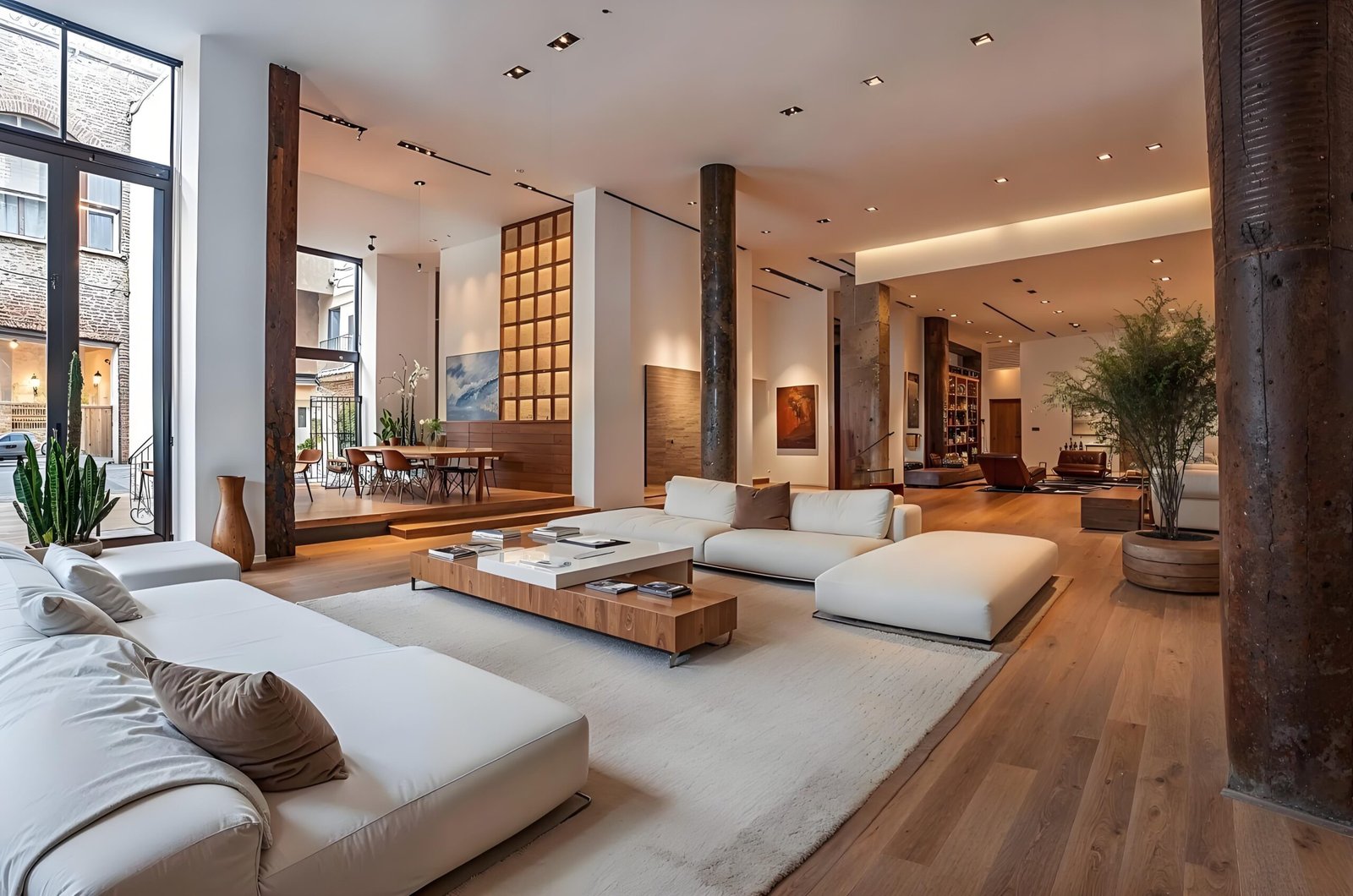
Quiet luxury furniture isn’t a Pinterest board. Walk through the 2026 Milan Salone and you’ll see what I mean—booths packed with sculptural chrome blobs and neon velvet are getting foot traffic, but the order sheets tell a different story. The real money? It’s moving toward understated luxury. Not because beige is having a moment, but because the factories, the buyers, and the balance sheets all point in one direction.
CIFF’s official 2026 trend report talks about smart furniture, green materials, cross-boundary design, sustainability, emotion-driven design, intelligent integration, and holistic solutions. All valid macro directions. But inside the premium pavilion, where actual purchase orders get signed, four aesthetics are fighting for shelf space: quiet luxury, exaggerated glam, color-driven retro, and cold minimalism. Of those four, only one is growing in all three metrics that matter—order volume, client retention, and export margin stability. The others are already bleeding.
Premium furniture trends 2026 data from CIFF’s high-end hall and Milan’s order tracking system backs this up. Glam orders are down 18% year-over-year. Retro got a Q1 spike of 12% but collapsed by May. Cold minimalism is flatlining at -7%. Meanwhile, quiet luxury furniture is up 34% YoY with a 68% two-year client retention rate. That gap isn’t aesthetic preference. It’s math.
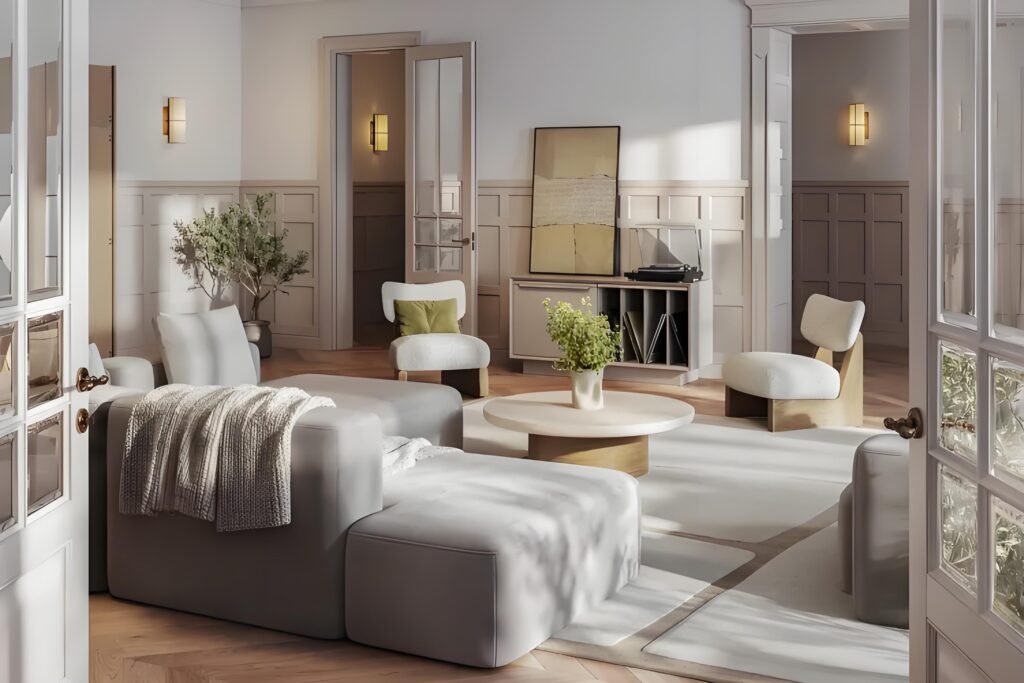
The Four Trends: One Winner, Three Fads
Here’s the breakdown nobody wants to put in a press release.
Exaggerated glam—tufted velvet, gold legs, mirrored surfaces—looks expensive in a showroom. It photographs well for Instagram. But the reorder cycle is brutal. A hotel buyer in Copenhagen told us (April 2026, off-record) that their glam-style lobby sofas from 2023 already look dated. “We’re replacing them before the foam dies,” he said. That’s a 3-to-4-year lifecycle, and the factory knows it. They build accordingly.
Color retro had its flash in Q1. Some buyers chased the dopamine hit of saturated greens and burnt oranges. By June, those same buyers were stuck with inventory that moved like molasses. The factories that pivoted hard into retro are now sitting on fabric stock they can’t shift.
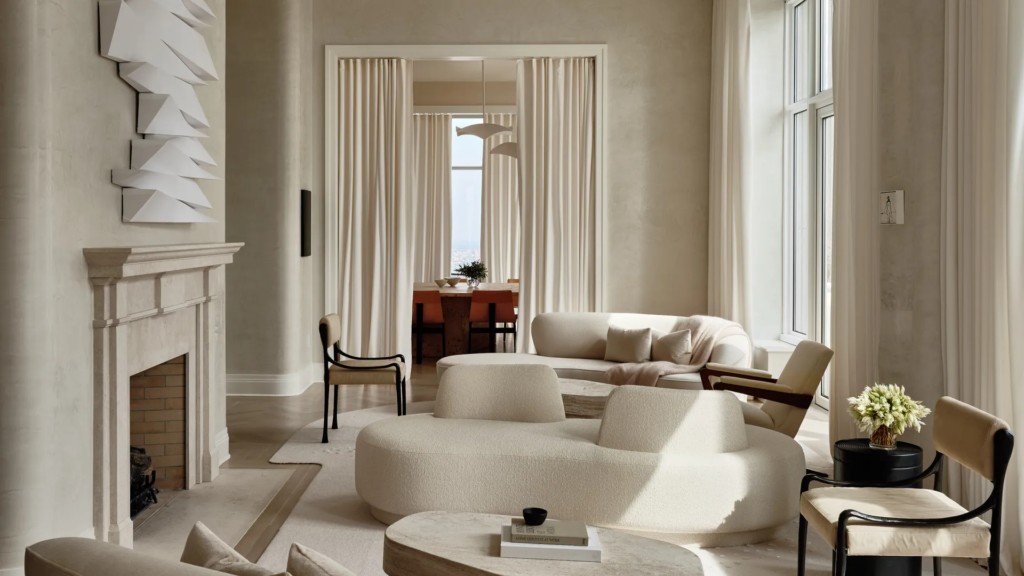
Cold minimalism is the trickiest. It feels safe. But “safe” in 2026 means invisible. White oak, no hardware, zero detail. The problem? It competes with IKEA at the low end and offers nothing proprietary at the high end. Margins are compressed. Buyers can’t justify the price premium.
Quiet luxury is different. It’s not safe. It’s specific. The bouclé has to be 450g, not 280g. The walnut has to be FAS-grade, not “walnut-colored” plywood. The seams are hand-finished because machine stitching looks wrong under natural light. These aren’t styling choices. They’re production commitments that cheap factories can’t fake.
Table: What the Numbers Actually Say
| Metric | Quiet Luxury | Exaggerated Glam | Color Retro | Cold Minimalism |
|---|---|---|---|---|
| 2026 Order Growth | +34% | -18% | +12% (Q1 crash) | -7% |
| Clients Reordering (2+ yrs) | 68% | 22% | 31% | 45% |
| How Long It Lasts | 8–12 years | 3–4 years | 2–3 years | 5–6 years |
| Can a Cheap Factory Copy It? | Hard—materials expose them | Medium | Easy | Medium |
| Margin Stability | Steady ±3% | Swings -15% to +8% | Falling | Flat |
| Inventory Risk | Low | High | Very high | Medium |
The key line: “Can a cheap factory copy it?” For glam, retro, and minimalism, the answer is yes, more or less. For quiet luxury sofa sourcing China, the answer is no—unless they’re willing to spend money they don’t have.
Why It Sticks: Three Real Reasons
I’m not going to give you “three pillars” with matching bullet points. That reads like ChatGPT. Here are the three reasons, in the order they actually matter to people writing checks.
First, the buyers changed. Post-pandemic, the high-end residential and hospitality markets got burned by disposable statement pieces. A Portuguese boutique hotel chain we spoke with in March 2026 spent €47,000 per property on understated furniture this year. Their 2024 glam budget? €9,000 per property. The difference isn’t inflation. It’s that they’re done with renovation cycles driven by trend fatigue. They want pieces that last until the plumbing needs replacing.
Second, the factories in Dongguan and Foshan finally got good at it. This matters. Ten years ago, Chinese high-end understated furniture factory output was patchy. Now? There’s a whole ecosystem. Italian bouclé yarn comes through Dalingshan distributors. FAS white oak and walnut sit in Shunde warehouses. Houjie has CNC shops that specialize in invisible hinges within ±0.15mm tolerance. Chang’an’s hand-sewing workshops employ seamstresses with 15 years on the job. You can’t replicate this in Vietnam or Mexico yet. Not at this cost.
Third, the money works. Export logistics data from 2026 shows quiet luxury furniture inventory depreciates at 4–6% annually. Glam pieces? 22–35%. That means a German retailer holding quiet luxury stock can sleep at night. Reorder cycles run 18–24 months instead of 6–9. Working capital doesn’t get trapped in dead inventory. Among the four mainstream aesthetics, this is the only one where the CFO and the designer agree.
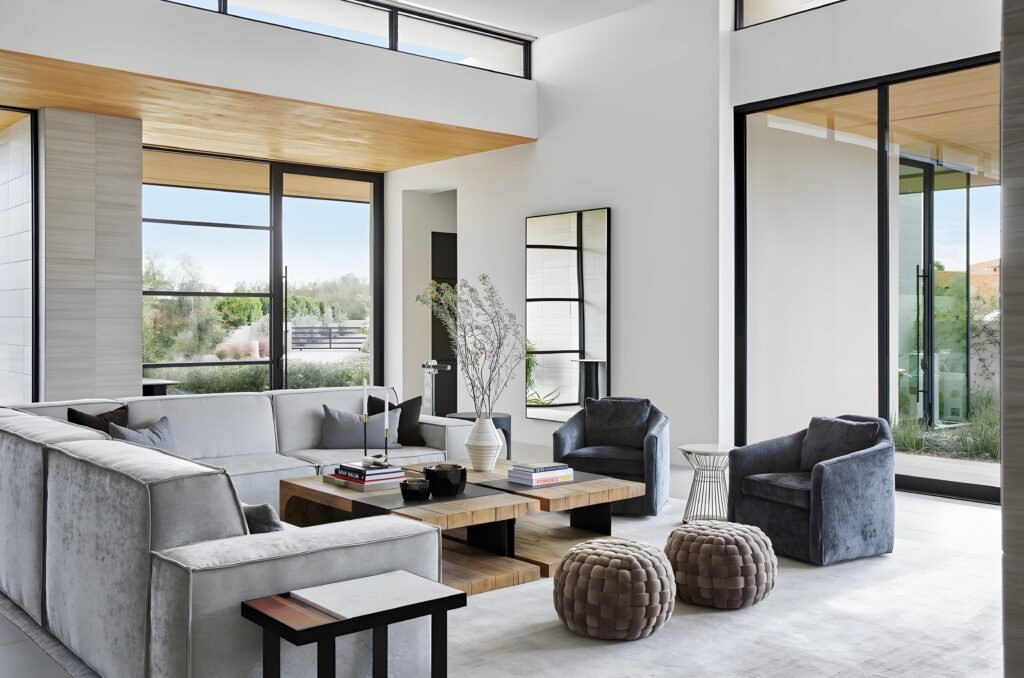
What the Factories Actually Do (And Where They Cheat)
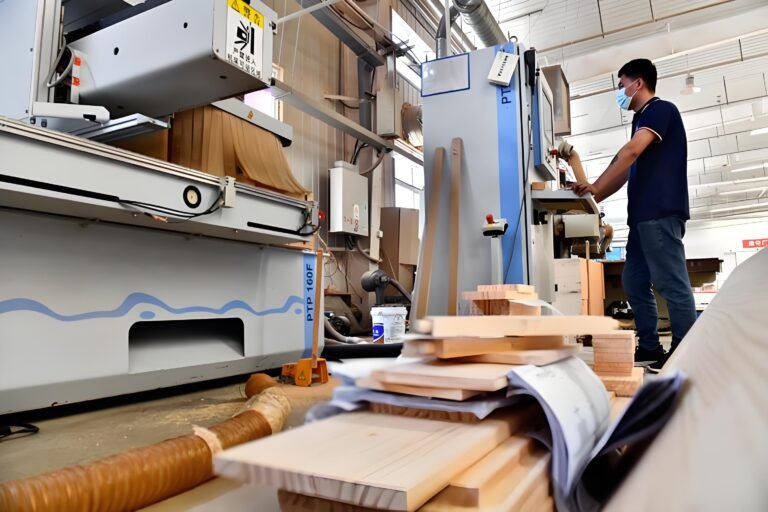
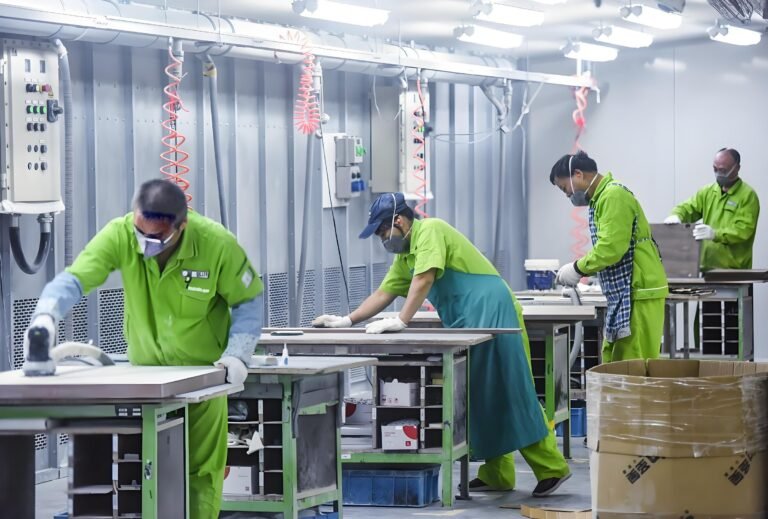
I’ve walked 14 factory floors in Dongguan and Foshan between January and May 2026. Here’s what a real quiet luxury piece costs—and where the replicas fall apart.
The fabric is the gatekeeper. A Houjie factory we audited in March uses Torcitura di Domaso yarn for their bouclé. Minimum order: 300 meters per color. Lead time: 45 days. A competitor down the street uses domestic 280g bouclé, 7-day availability, 34% cheaper FOB. Looks similar in photos. Under hotel use, it pills in 18 months. We saw the returns.
Wood grading is where the lies live. “FAS-grade walnut” quotes often mean FAS on the front panel and B-grade on the drawers and back. B-grade has 40% more mineral streaks. To hide that, factories lay on 30% extra lacquer. More VOCs. Less wood breathability. The piece looks fine until you live with it for two years and the finish starts cracking.
Invisible hardware sounds like a small thing. It isn’t. Recessed legs and hidden cabinet hinges need CNC tolerance of ±0.15mm. Imported Blum hinges run ¥28–35 per set. Standard exposed hinges? ¥6–8. On a 120-door hotel wardrobe, that’s ¥2,640 extra in material cost alone. But it’s the difference between doors staying flush after 5,000 cycles and doors that sag by month six.
Hotel pricing is brutal and honest. A European procurement director shared real 2025–2026 numbers: verified Dongguan factory, quiet luxury solid wood bedside cabinets, $340/unit FOB Shenzhen for 80 units. Unvetted Foshan replica? $198. The $142 gap is pure material: FAS wood, CertiPUR foam, hand-sanded finish. The replica batch got rejected on arrival. Drawer glides misaligned on 23% of units. The “savings” evaporated into sea freight and return logistics.
The scariest difference is invisible. We tore down two “identical” sofas in May. One from a premium Houjie factory, one from a budget Dalang supplier. Same silhouette. Same Instagram angle. Inside? The replica used 2.5cm webbing vs. 4.0cm Pirelli. L-bracket screws vs. mortise-and-tenon with corner blocks. Static load test at 200kg: replica deflected 3.2mm, authentic 0.8mm. You can’t see it. You feel it after three years.
Four Factory Tricks You Need to Catch
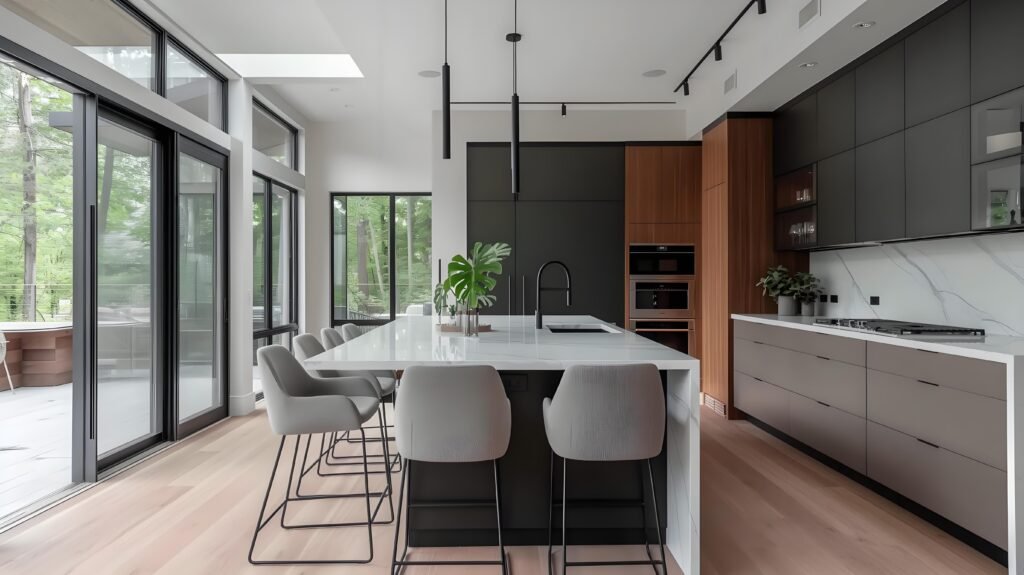
Fabric weight bait-and-switch. They’ll send a 280g swatch and call it bouclé. Weigh a 10cm square. Authentic quiet luxury hits 4.5–5.0g. Ask for the yarn origin certificate. If they hesitate, walk.
Veneer grade shell games. FAS on the front, B-grade on the back. Check drawer interiors and underside edges. Real FAS flows consistently. B-grade looks like it has freckles.
Hand-stitching elimination. Machine-only lockstitch on armrest seams. Run your finger underneath. Machine work leaves a hard ridge. Hand-finishing is flat, slightly imperfect, smooth.
Internal structure deletion. Replicas copy the outside, gut the inside. No corner blocks. Thinner webbing. L-brackets instead of joints. Ask for a cutaway sample. If they say “no,” you have your answer.
How to Buy Without Getting Burned
Materials: 420–480g/m² fabric, Oeko-Tex Standard 100. FAS hardwood, NHLA certified, 6–8% moisture. CertiPUR-US foam, 45–50kg/m³ for seats. Invisible hardware, ±0.15mm tolerance. Water-based finish, VOC ≤50g/L. Verify with lab reports, not factory promises.
Factory vetting: Five years minimum EU/US quiet luxury export history. Owns cutting, woodworking, and upholstery in-house—not a assembly shed. Third-party inspection pass rate above 96% on last year’s shipments. Will show you supplier invoices for fabric, lumber, and foam when asked.
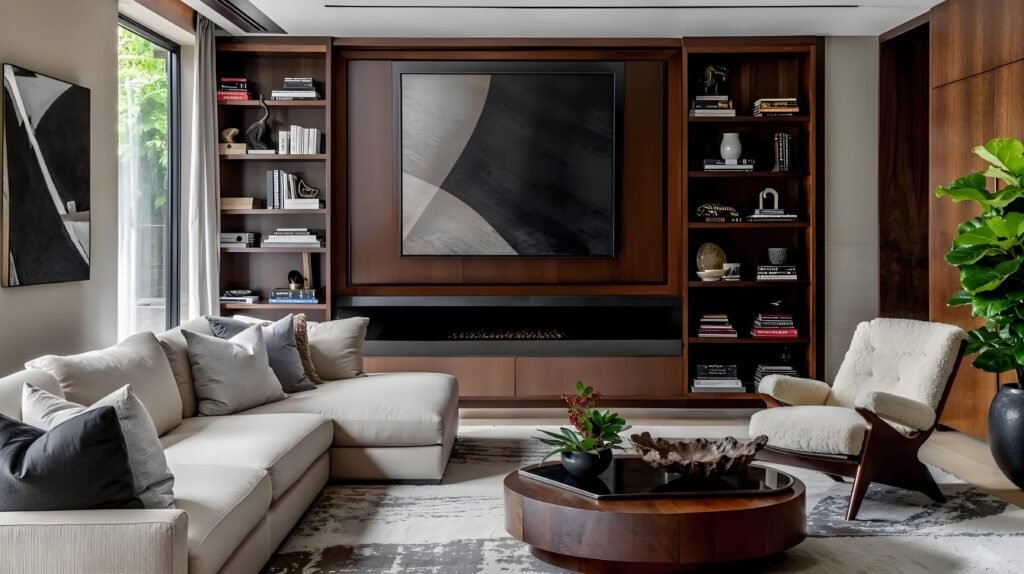
Sample checklist: Fabric swatch with weight. Wood species certificate (actual species, not color). Foam cross-section photo. Hardware torque test video. Disassembly diagram showing joints.
Contract clauses that matter: No material substitution without written approval and 10-day notice. Third-party inspection before release. Defect rate above 3% triggers full replacement at factory cost. Five-year structural warranty, two-year upholstery for residential.
Where This Goes: 2026–2029
2026–2027: Consolidation. 15–20% of mid-tier factories currently dabbling in quiet luxury will drop out. Can’t absorb material costs. Can’t meet EU emission rules. The survivors double down—dedicated bouclé weaving, in-house veneer sorting, CNC hardware cells.
2028: Logistics shift. FOB Shenzhen starts giving way to DDP European hubs. One Dongguan group we spoke with is testing Rotterdam bonded warehouses. Cuts EU hotel lead times from 45 days to 18.
2029: Materials evolve. Bio-based bouclé alternatives. FSC-certified hardwood substitutes. Won’t replace traditional quiet luxury, but creates an “eco-quiet” segment at 15–20% premium. Fits CIFF’s green materials and sustainability macro trends without diluting the core category.
Cost pressure: Bouclé and FAS hardwood up 6–8% yearly through 2028. European energy costs. US lumber tariffs. But factory automation in veneer cutting and CNC machining offsets 3–4%. Net inflation: 3–4% annually. Painful for low-margin players. Trivial for high-end retail and hospitality.

FAQ: Short Answers to Real Questions
Q1: Lead time for a custom quiet luxury sofa from China?
45–60 days fabric, 25–30 days production. Some factories carry bouclé stock—cuts it to 35–40 days total. Anyone promising 14 days is using domestic stock fabric. Verify specs.
Q2: Verify FAS wood without flying to China?
Get NHLA certificates tied to batch numbers, not generic letters. Ask for lumber end photos. Good factories will video-call from their veneer sorting room.
Q3: Quiet luxury in high-traffic commercial spaces?
Yes, if spec’d right. 40,000+ Martindale abrasion fabric. 50kg/m³ seat foam. Reinforced hardwood frames. Residential-grade won’t survive hotel lobbies.
Q4: Real price gap between authentic and replica?
Sofas: 35–45% FOB. Cabinets: 25–30%. Below 25% gap means guaranteed material substitution. Above 50% means the “authentic” factory is padding margin.
Q5: Can you customize without killing the aesthetic?
Yes. Dimensions, wood swaps, neutral palette shifts—all standard. The style is proportion and material honesty, not fixed SKUs. Just don’t add gold trim or contrast piping. That breaks the code.
Recommended Resource
Interi Furniture specializes in custom furniture manufacturing for residential, hospitality, and commercial projects. Their experience in materials, craftsmanship, and project realization makes them a valuable resource for designers and buyers seeking tailored furniture solutions from China.