







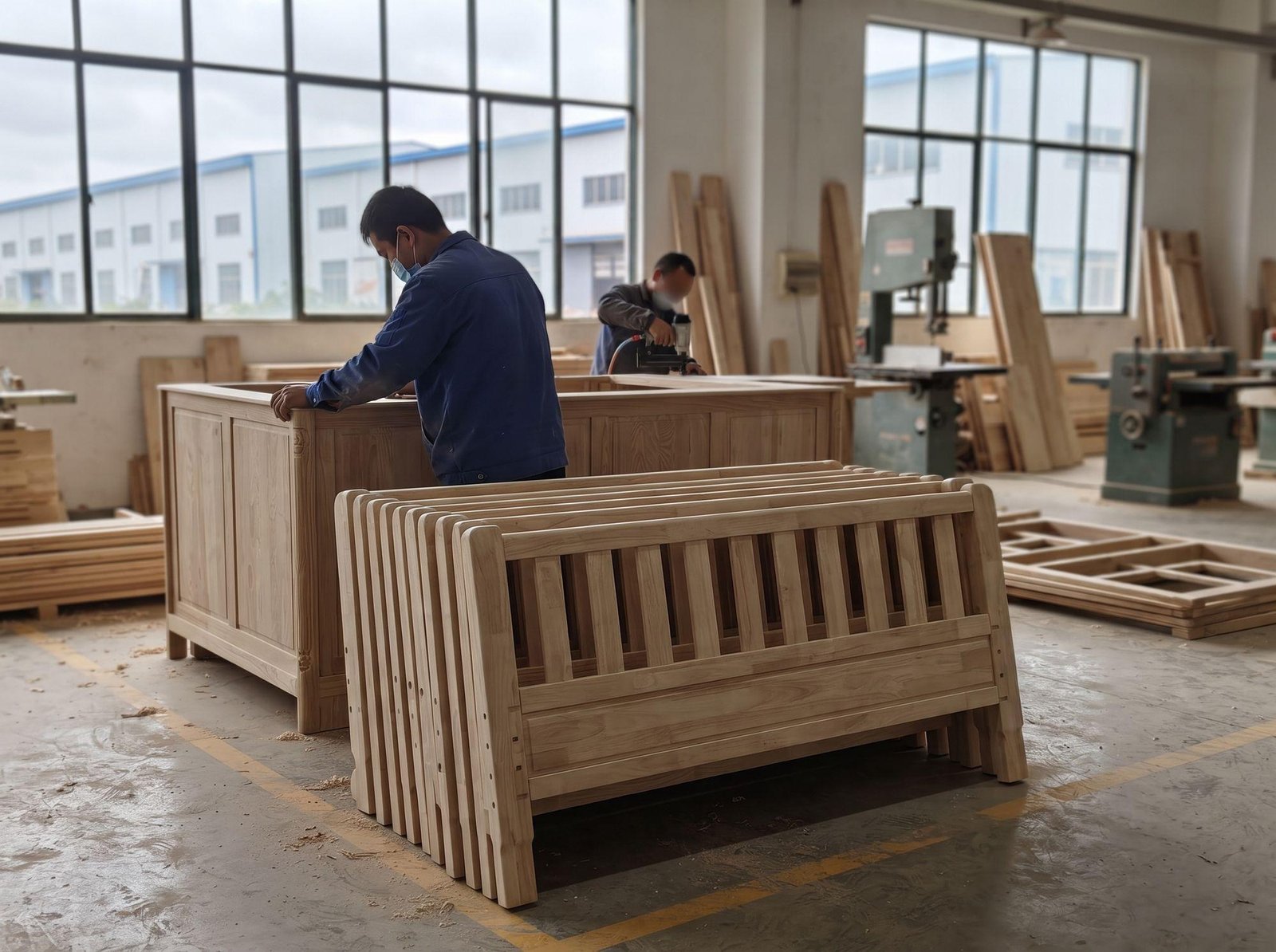
Here’s the short answer most buyers never get: a Nankang solid wood cost quote of $60 for a dining table is real, but it is not your final number. By the time that table lands in your living room, you are looking at $250 to $350—sometimes more. The gap is not markup. It is a chain of costs the factory never mentions, and most first-time buyers never ask about.
We have spent years walking the factory floors in Nankang, the sprawling furniture hub in Ganzhou, Jiangxi Province. We have seen tables quoted at $58 and tables quoted at $180 that look nearly identical in photos. We have watched buyers celebrate a “great deal” on Alibaba, then panic three months later when the DTHC bill hits their freight forwarder’s inbox. This article is what we wish someone had handed us on day one.
Nankang’s Real Position: Cheap, Yes—but Not Simple
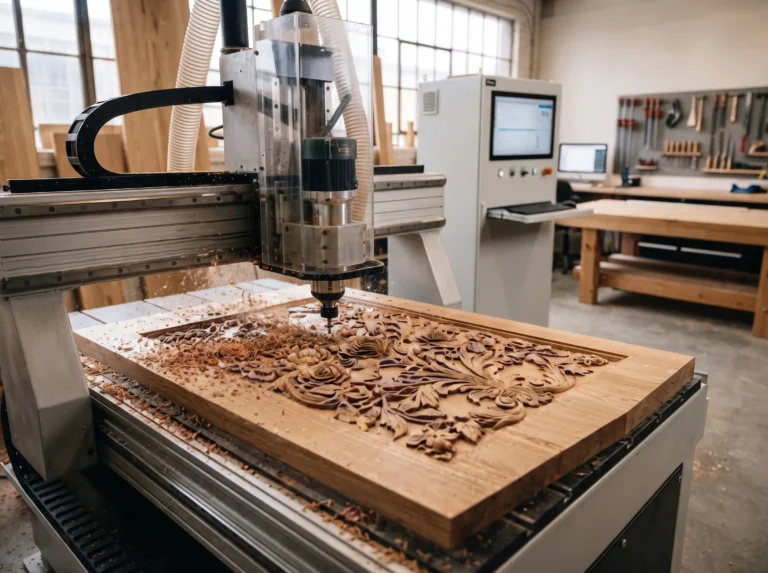
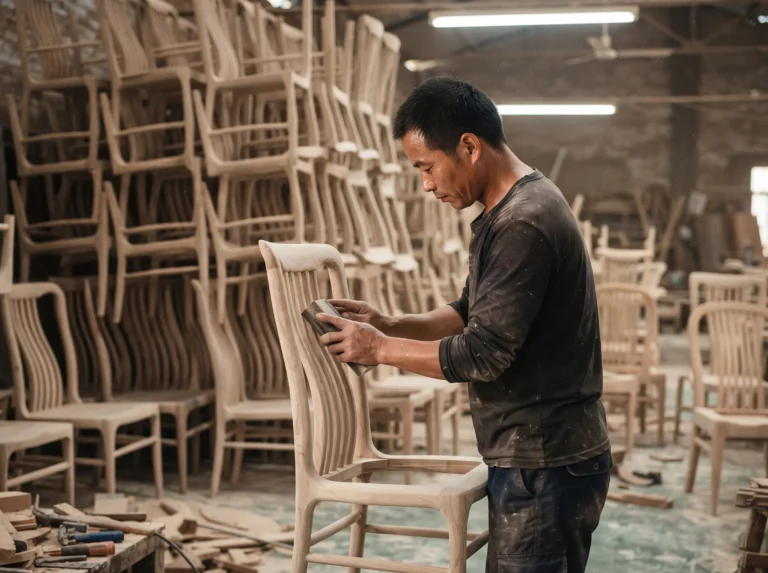
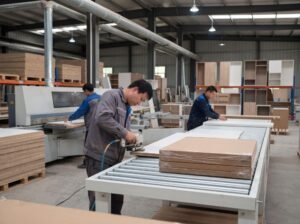
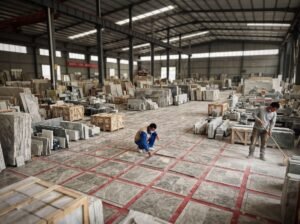
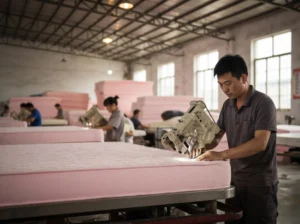
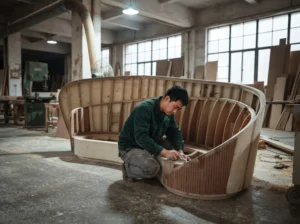
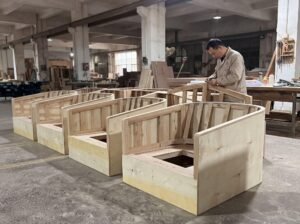
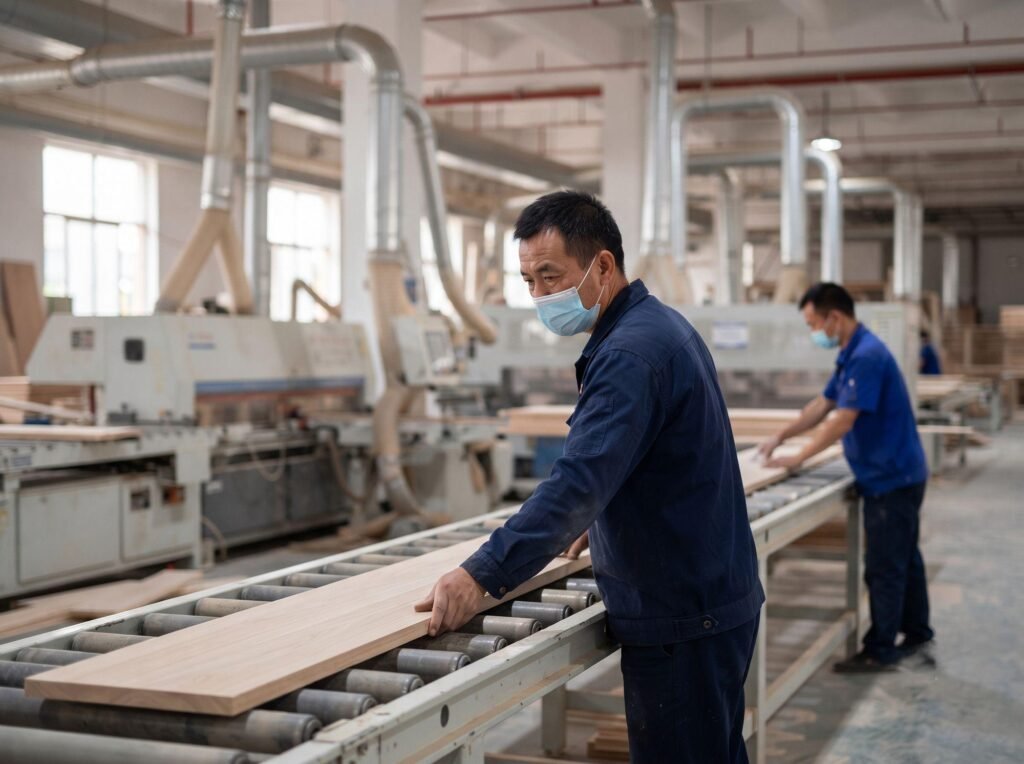
Nankang is not a secret anymore. It is China’s largest solid wood furniture manufacturing base, pumping out rubber wood, ash, and oak pieces at volumes that dwarf most European countries. The Nankang furniture pricing model is built on one thing: raw production efficiency. Labor is cheaper here than in Foshan. Timber yards sit within a few kilometers of the assembly lines. The entire ecosystem—from sawmills to hardware suppliers to packing material vendors—lives in the same postal code.
That density drives the headline numbers everyone sees. For the same rubber wood dining table, a Nankang factory’s ex-factory price often runs 60% to 70% of what you would pay in Foshan’s Longjiang area. That is not marketing fluff. We have compared quotes side by side for identical specs. The savings are real.
But here is what the Alibaba listing will not tell you: Nankang’s cost advantage lives almost entirely at the factory gate. Once the table leaves the workshop, the playing field changes. Fast.
Why the Same Table Can Quote $60, $90, or $140
Before we talk about shipping and tariffs, we need to look at why solid wood furniture price breakdown varies so wildly inside Nankang itself. Buyers often assume one factory’s $60 table is the same product as another’s $120 table. It rarely is.
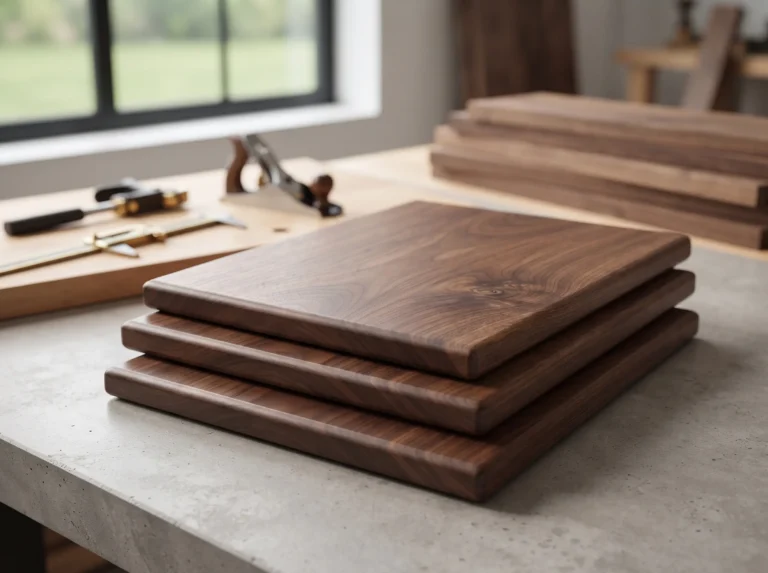
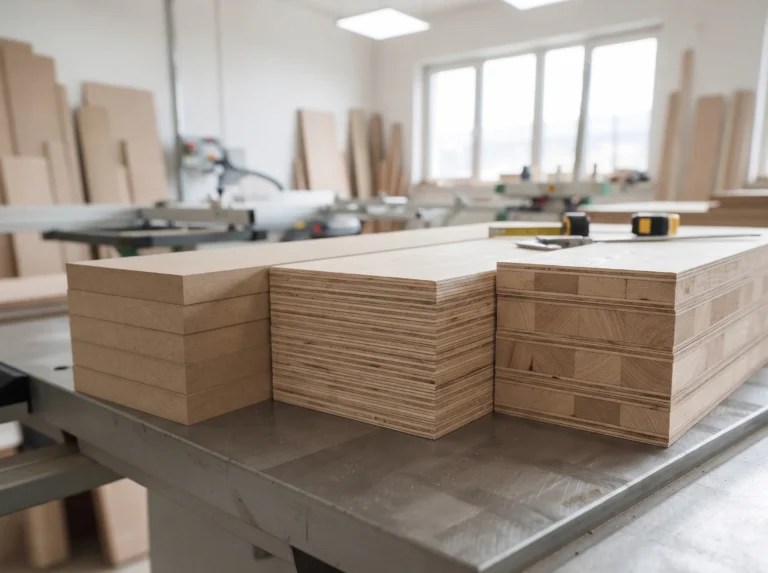
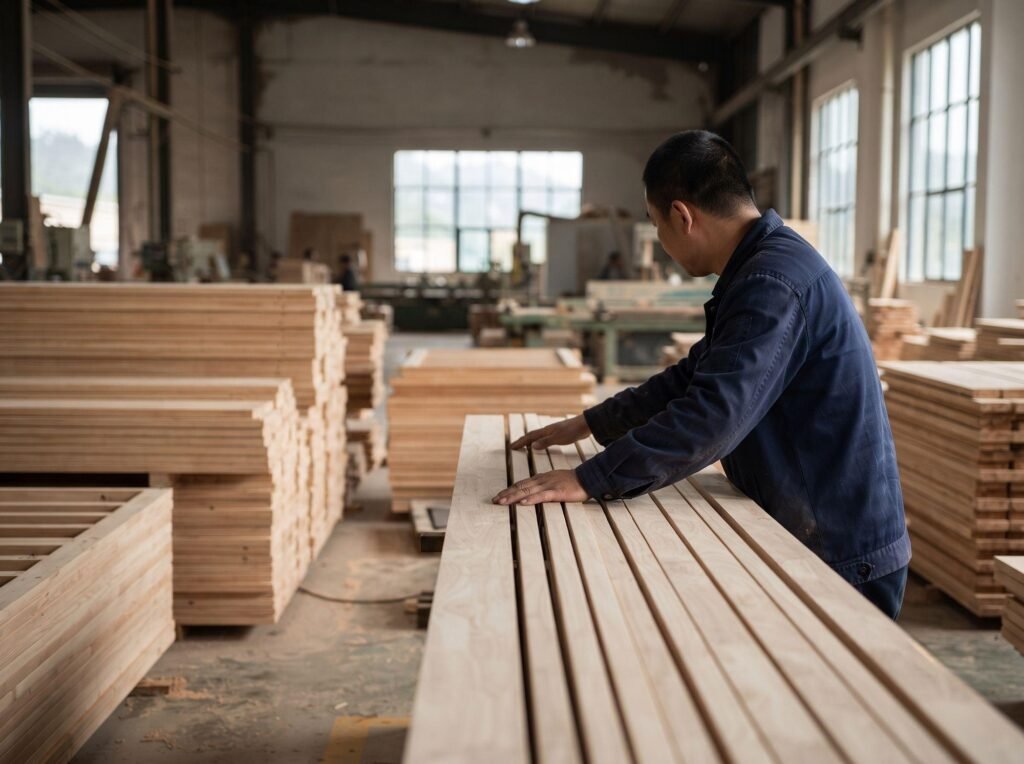
Wood grade is the first divider. A “rubber wood” table can use plantation-grade timber with visible knots and color variation, or it can use select-grade boards that have been finger-jointed and sanded to a uniform surface. The former costs the factory roughly $8 to $12 in raw material. The latter pushes $25 to $30. You will not see this on a spec sheet unless you ask for the timber grade certificate.
Paint and finish are the second. A $60 table usually gets two coats of NC lacquer—fast, cheap, and prone to chipping in dry climates. A $110 table might get three coats of water-based paint with a UV-cured topcoat. The difference in durability is massive, but the factory will list both as “painted finish” unless you probe.
Hardware is the third silent cost. We have opened cartons where the hinges were stamped steel with no rust coating. Six months in a humid port, and those hinges are orange. A decent stainless hinge adds maybe $3 to $4 to the factory cost. Most buyers never think to ask.
So when you see a $60 quote, you are not looking at a “discount.” You are looking at a stripped-down build. That is fine if you know it. It is a disaster if you expect showroom quality.
The Hidden Cost Chain: From Factory Floor to Your Front Door
This is where hidden costs Nankang turn a bargain into a budget shock. We will walk through each link in the chain, using a standard rubber wood dining table (1.4m, four legs, flat pack) as our reference case. The factory quotes you $65 ex-works.
| Cost Stage | What It Covers | Typical Range (USD) | Notes |
|---|---|---|---|
| Ex-Factory Price | Table only, bare carton, no pallet | $60 – $80 | The number on Alibaba |
| Domestic Haul | Factory to Shenzhen/Yantian port | $8 – $15 | Varies by truck size; LTL costs more per unit |
| Export Packing | Pallet, corner guards, stretch wrap | $5 – $12 | Critical. Skimp here, and you get splinters at destination |
| FOB Local Charges | Customs declaration, port handling, docs | $25 – $45 | Small factories often forget to quote this |
| Ocean Freight | 20GP or LCL to US/EU port | $80 – $180 | Post-2024 rates; LCL has minimum charges |
| Marine Insurance | 110% of CIF value | $3 – $6 | Cheap. Do not skip it |
| Destination THC | Terminal handling at arrival port | $45 – $85 | The “surprise” bill that ruins friendships with forwarders |
| Customs Clearance | Broker fees, inspection, docs | $50 – $120 | Varies wildly by country and complexity |
| Import Duty | Typically 0% to 8% for solid wood furniture | $0 – $20 | Depends on HS code and trade agreement |
| VAT / Sales Tax | Applied in most EU countries | $15 – $40 | Often calculated on CIF + duty value |
| Inland Delivery | Port to your warehouse or home | $40 – $120 | Residential delivery costs 30% more than commercial |
| Assembly / Install | If you do not DIY | $30 – $80 | Optional, but most buyers underestimate the time |
Add these up for our $65 table, and the realistic landed cost in a US residential address sits between $260 and $380. In Europe, where VAT and inland trucking run higher, $300 to $420 is common.
That is not a scam. That is the real solid wood furniture price breakdown for a single table shipped direct from a Nankang workshop.
The Cost Black Holes Individual Buyers Ignore
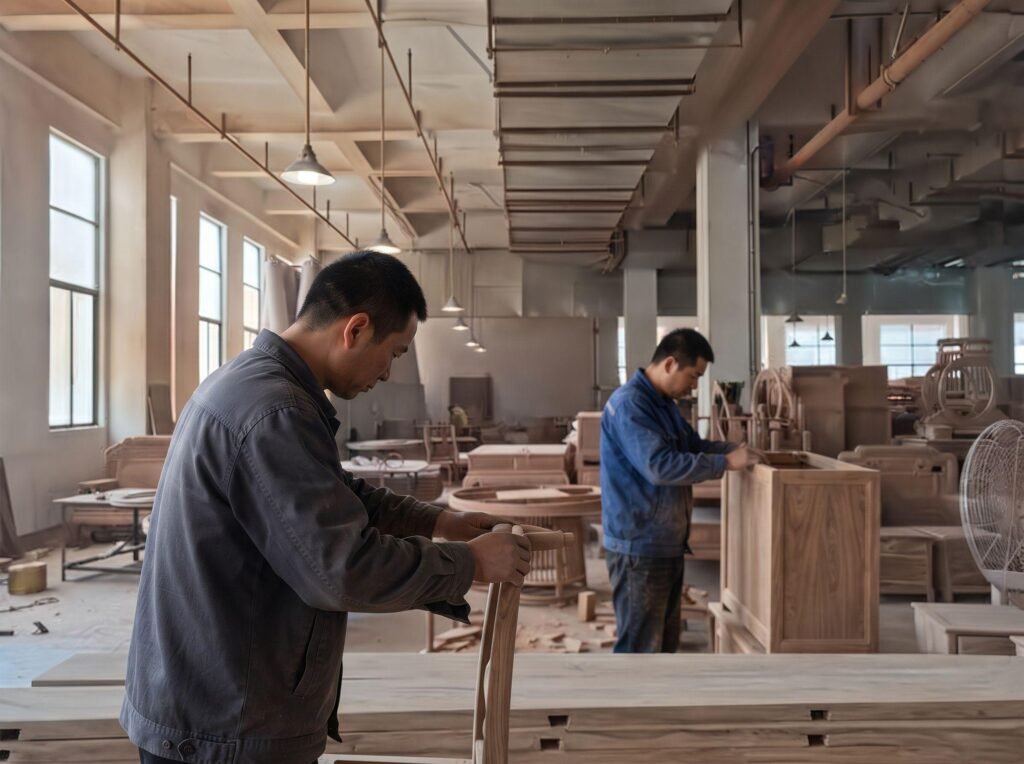
We have talked to dozens of individual buyers who thought they were “buying direct” and saving a fortune. Most made at least one of these mistakes.
Black Hole #1: Packaging That Looks Fine in Photos
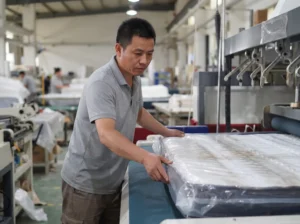
Nankang has hundreds of factories. Maybe twenty of them understand export-grade packing for ocean freight. The rest wrap your table in a thin carton, slap some tape on it, and call it a day. We have seen $60 tables arrive with corner crush damage because the factory used 3-ply cardboard instead of 5-ply. The repair cost? Often more than the table itself. If your factory quotes packing at under $5, ask what is inside that carton.
Black Hole #2: Factories With No Export Experience
Nankang’s sweet spot is domestic wholesale and e-commerce fulfillment within China. Many workshops have never filed a customs declaration. They will tell you “we can ship anywhere,” but what they mean is “we will hand your box to a random logistics broker and hope.” We have seen shipments sit in Shenzhen customs for three weeks because the factory used the wrong HS code on the invoice. The buyer paid demurrage. The factory shrugged.
Black Hole #3: DTHC and Port Fees You Never Budgeted
Destination Terminal Handling Charges (DTHC) are standard in international shipping. They are also the bill that makes first-time buyers think they are being ripped off. A $65 table does not sound like much until you add an $85 DTHC fee at the Port of Long Beach. This is not negotiable. It is physics. The port moved your box. They want to be paid.
Black Hole #4: Tariff Surprises
Solid wood furniture enters the US under HTS 9403.60, which generally carries zero duty for most species. But if your table has a metal frame, or if the factory misclassified the wood species, you can trigger a different rate. We saw one buyer get hit with a 3.2% duty because the factory listed “mixed wood” instead of “rubber wood.” On a $2,000 container, that is pocket change. On a single $65 table with $300 in fixed fees around it, it stings.
Black Hole #5: The Return You Cannot Afford
Here is the brutal truth about Nankang furniture pricing: the low upfront cost makes returns economically impossible. If your table arrives warped, scratched, or the wrong color, shipping it back to Nankang costs more than you paid for it. Most individual buyers eat the loss. The factory knows this. That is why some workshops are less careful with QC on small orders than on container loads.
Industry Truth: When FOB Beats “Cheapest Ex-Factory”
Here is the counterintuitive insight we have learned after years in this market.
Most buyers chase the lowest ex-factory number. They think, “I will handle the logistics myself and save money.” In Nankang, that logic often backfires.
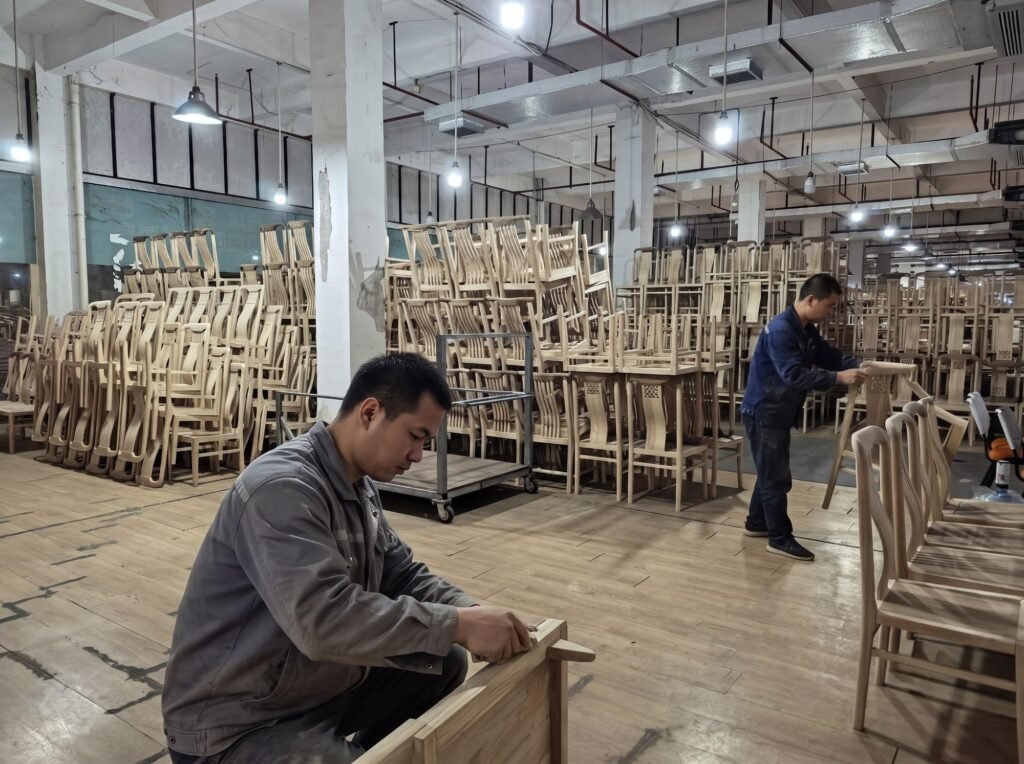
A mid-tier Nankang factory that regularly exports might quote you $95 FOB Shenzhen, including proper packing, palletizing, and port delivery. A small workshop quotes $65 ex-factory. The $30 gap looks huge. But if you self-arrange domestic trucking ($12), export packing ($10), port handling ($35), and customs docs ($15), you have already spent $72—and you still have not left China.
The FOB factory has done this a hundred times. They know which forwarder to use, which packing passes inspection, and how to file the export declaration without delays. The $95 FOB quote is often cheaper than the $65 ex-factory quote once you do the honest math.
We are not saying ex-factory is always bad. If you are buying a full container and you have a trusted freight partner in Shenzhen, ex-factory can work. But for one or two tables? The FOB option from an export-ready factory is usually the smarter money.
When Nankang Makes Sense—and When It Does Not
We are not here to bash Nankang. We are here to help you use it correctly.
Buy from Nankang when:
● You need volume at a tight margin (resellers, Airbnb furnishers, budget hospitality projects)
● You have a reliable freight forwarder who has handled Nankang shipments before
● You are buying standard designs where “good enough” is genuinely good enough
● You can inspect or hire an inspector before shipment
● You are ordering at least a few pieces to amortize the fixed shipping costs
Think twice about Nankang when:
● You need one custom piece with precise dimensions and finish matching
● You have no experience with international freight and no broker
● You are shipping to a residential address with no lift or narrow stairs
● You need the item within six weeks (Nankang production + ocean freight is rarely under 45 days)
● You cannot absorb a total loss if the item arrives damaged
What to Ask Before You Wire the Deposit
If you are still reading, you are probably serious about buying. Here are the questions that separate smart buyers from the ones who post angry Reddit threads three months later.
1.What timber grade are you using, and can you send a photo of the raw board before painting?
2.What is the exact packing spec—carton ply, corner protection, pallet or no pallet?
3.Is your quote ex-factory or FOB? If FOB, which port?
4.Have you exported to [my country] before? Can you share a copy of a previous customs clearance document?
5.What is your defect policy for single-piece orders, and do you offer replacement parts for shipping damage?
6.Can you provide a video walkthrough of the finished table before it leaves your workshop?
If a factory dodges question #4, that is your red flag. Export experience is not a bonus in this business. It is the baseline.

FAQ
What is the realistic total cost for one solid wood table from Nankang?
A table quoted at $60 to $80 ex-factory typically lands at $250 to $380 in the US or $300 to $420 in Europe, once you add freight, duties, port fees, and last-mile delivery. The exact number depends on your destination, shipping method, and whether the factory quote includes export packing.
Is Nankang cheaper than Foshan for solid wood furniture?
On a pure ex-factory basis, yes. Nankang’s solid wood furniture price breakdown usually runs 30% to 40% lower than Foshan for the same wood species and dimensions. But Foshan has more export-ready factories with FOB quotes that include proper packing and logistics. For small orders, the “cheaper” Nankang quote sometimes costs more by the time it reaches your door.
What are the biggest hidden costs when buying from Nankang?
The hidden costs nankang buyers miss most often are: export packing upgrades ($5–$12), FOB local charges ($25–$45), destination terminal handling fees ($45–$85), customs broker fees ($50–$120), and residential inland delivery ($40–$120). Single-table buyers also rarely budget for assembly or the economic impossibility of returns.
Can I buy just one table from a Nankang factory?
Yes, but most factories prefer larger orders and will charge more per unit for a single piece. You also face a fixed-cost problem: the shipping, customs, and port fees are roughly the same whether you ship one table or five. One table spreads those costs over a single item. Five tables spread them thin.
How do I avoid getting a low-quality table from Nankang?
Ask for timber grade details, finish specifications, and pre-shipment photos or video. If possible, hire a third-party inspector in Ganzhou. Avoid factories that refuse to answer technical questions or that quote suspiciously low without explaining what is excluded. In Nankang, “too cheap” usually means “corners were cut where you cannot see them yet.”
Recommended Resource
Interi Furniture specializes in custom furniture manufacturing for residential, hospitality, and commercial projects. Their experience in materials, craftsmanship, and project realization makes them a valuable resource for designers and buyers seeking tailored furniture solutions from China.