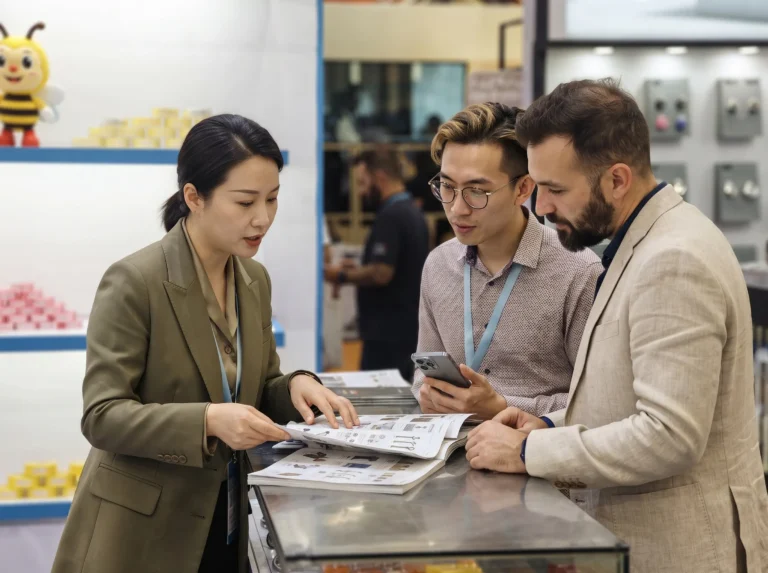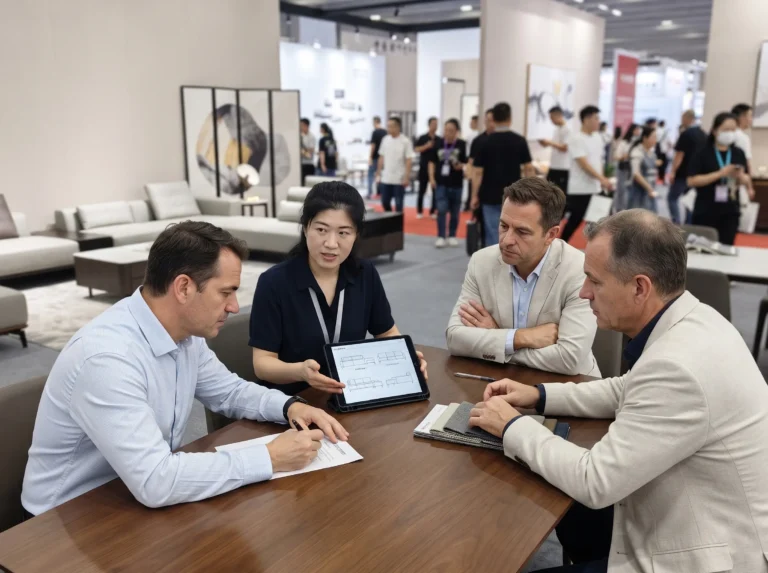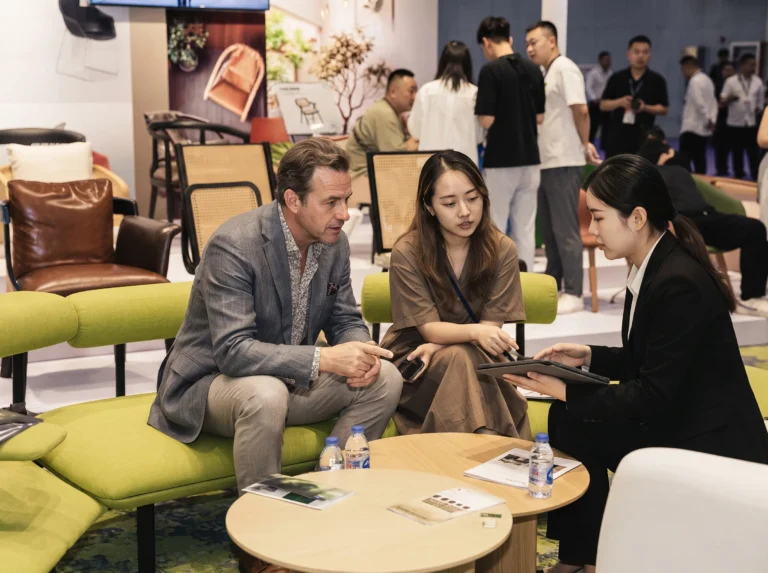









Furniture exhibition global reach is not measured in square meters. CIFF dwarfs Salone del Mobile in floor space and booth count, yet it remains a regional procurement hub rather than a global design destination. The gap is structural: Milan attracts luxury brand purchasing directors, global design media, and architects who define tomorrow’s trends, while CIFF’s international visitor base skews toward small-to-medium importers and Asian regional buyers. If you are deciding where to spend your airfare and calendar days, understand this first—size and global influence are not the same metric.
The Disappointment Behind the “World’s Largest” Label
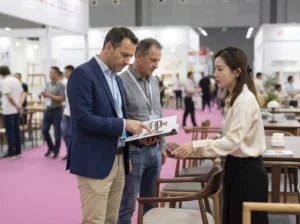
We have walked both Rho Fiera and Pazhou/Hongqiao enough times to recognize the confusion on buyers’ faces. You book flights based on CIFF’s marketing as the world’s largest furniture fair, expecting a global crossroads of design. Then you arrive and find aisles dominated by domestic distributors, product catalogs that look interchangeable, and an English-speaking support layer that thins out rapidly once you leave the main hall. The letdown is real. For European and North American buyers especially, the density of decision-makers with serious purchasing budgets feels noticeably lower than at Milan. This is not a knock on Chinese manufacturing—it is a frank assessment of who actually shows up and why.
Dismantling the “Size Equals Influence” Myth
The first misconception we need to kill is that exhibition area correlates with global strategic importance. CIFF Guangzhou and Shanghai together command floor space that makes Milan look compact. But internationalization is not a real estate game. It is a function of buyer quality, media gravity, trend-setting authority, and the ecosystem around the event. CIFF’s undeniable strength lies in supply-chain matching efficiency and manufacturing transparency. You can walk a hall in Guangzhou, spot a sofa frame, and be in the factory owner’s WeChat within the hour. That is a genuine competitive advantage. Milan, by contrast, offers something CIFF cannot replicate through investment alone: the power to define what “good design” means for the coming year. Salone is where the design world sets its calendar. CIFF is where much of that design gets produced. These are complementary roles, not competing ones.
CIFF vs. Salone del Mobile: Internationalization Metrics
The numbers tell a story that marketing brochures rarely emphasize.
| Metric | CIFF (Guangzhou/Shanghai Combined) | Salone del Mobile (Milan) |
|---|---|---|
| Total Exhibition Area | Approx. 1,150,000+ sqm (Guangzhou ~850,000 sqm; Shanghai ~300,000 sqm) (For reference only, subject to official verification) | Approx. 200,000+ sqm (For reference only, subject to official verification) |
| International Buyer Ratio | Estimated 15–20% of total visitors (For reference only, subject to official verification) | Estimated 60–70% of total visitors (For reference only, subject to official verification) |
| Top-Tier Buyer Density | Moderate; strong in Asian regional buyers and mid-tier importers | High; concentration of luxury brand purchasing directors, global retailers, and design media |
| Global Media Presence | Strong Asian trade press; limited Western design media footprint | Dominant; global design publications, architecture journals, and lifestyle media |
| Satellite Events / Fuorisalone Equivalent | Limited official satellite network | Fuorisalone spans entire Milan with 1,000+ independent events |
| Trend-Setting Authority | Trend follower and product showcase | Global trend-release platform and center of design discourse power |
The table above makes the point bluntly. CIFF wins on real estate. Milan wins on every metric that determines whether a fair shapes global taste or merely serves a regional supply chain.
Buyer Quality vs. Buyer Quantity: Who Actually Shows Up
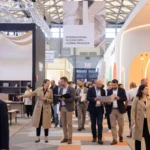
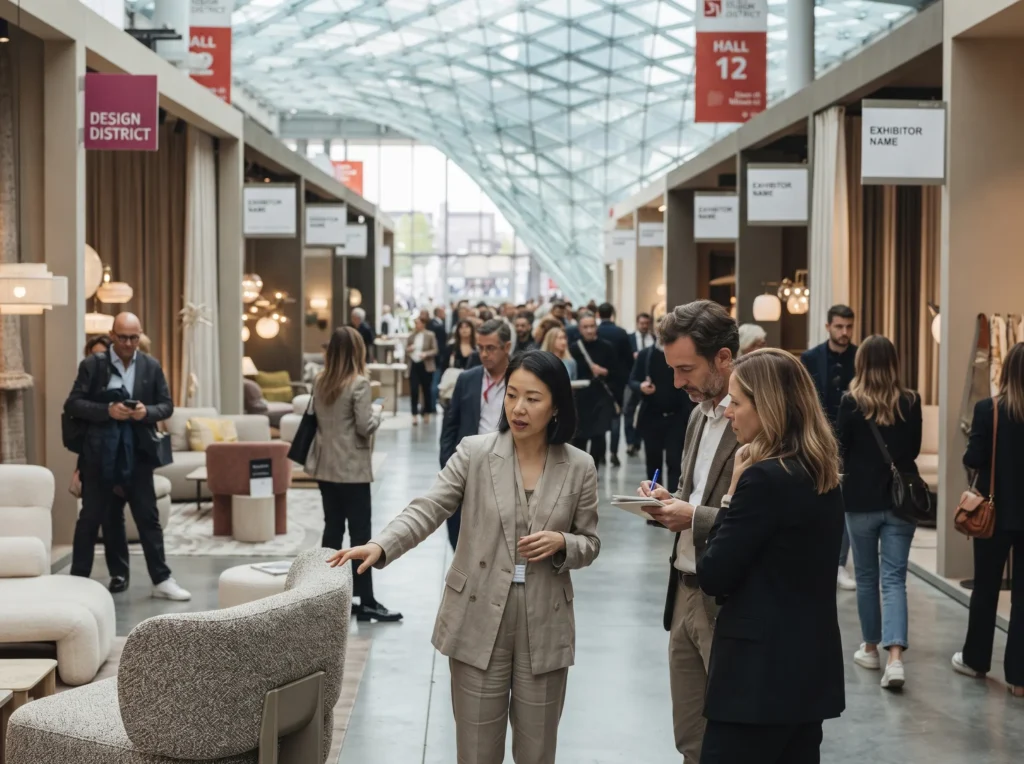
This is where we separate tourist traffic from serious procurement. At Milan, we have watched buyers from Hermès, Knoll, and Design Within Reach move through halls with clear agendas. They are not browsing; they are negotiating exclusivity, licensing, and seasonal collections. At CIFF, the international crowd is more fragmented. You will meet earnest small-to-medium importers from Southeast Asia, Eastern European distributors hunting for OEM capacity, and a smattering of Western retailers who already know China is part of their supply mix. What you will not find in comparable density are the global design directors and luxury house purchasing committees who treat Milan as non-negotiable calendar infrastructure.
| Buyer Profile | CIFF | Salone del Mobile |
|---|---|---|
| Luxury Brand Purchasing Director | Sparse attendance; often delegating to Shanghai-based agents | Core audience; direct attendance is standard |
| Global Design Media | Limited permanent Western press corps | Full deployment of Wallpaper*, Dezeen, Architonic teams |
| Architects and Interior Designers | Strong Asian regional presence; weaker Western turnout | Global pilgrimage; Milan is professional continuing education |
| Mid-Tier Retailers and Importers | High volume; active deal-making | Present but not the dominant demographic |
| OEM and Sourcing Agents | Extremely high density; CIFF is their home turf | Lower priority; Milan is about finished design, not factory capacity |
For reference only, subject to official verification: our field observations across multiple editions suggest that the average purchase decision authority per international visitor at Milan is significantly higher than at CIFF. This is not elitism. It is a reflection of which event the global industry’s decision-making class treats as mandatory.
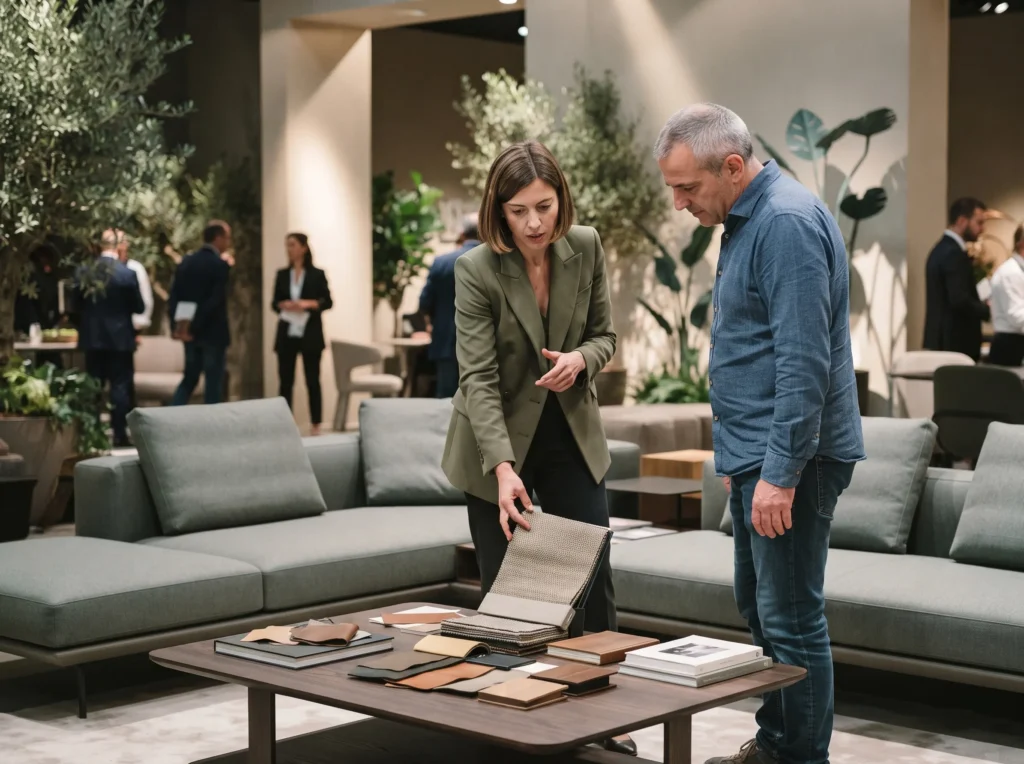
Design Narrative Power: Trendsetter vs. Trend Follower
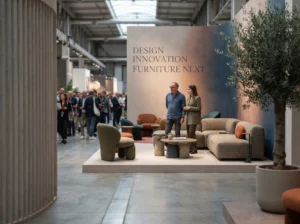
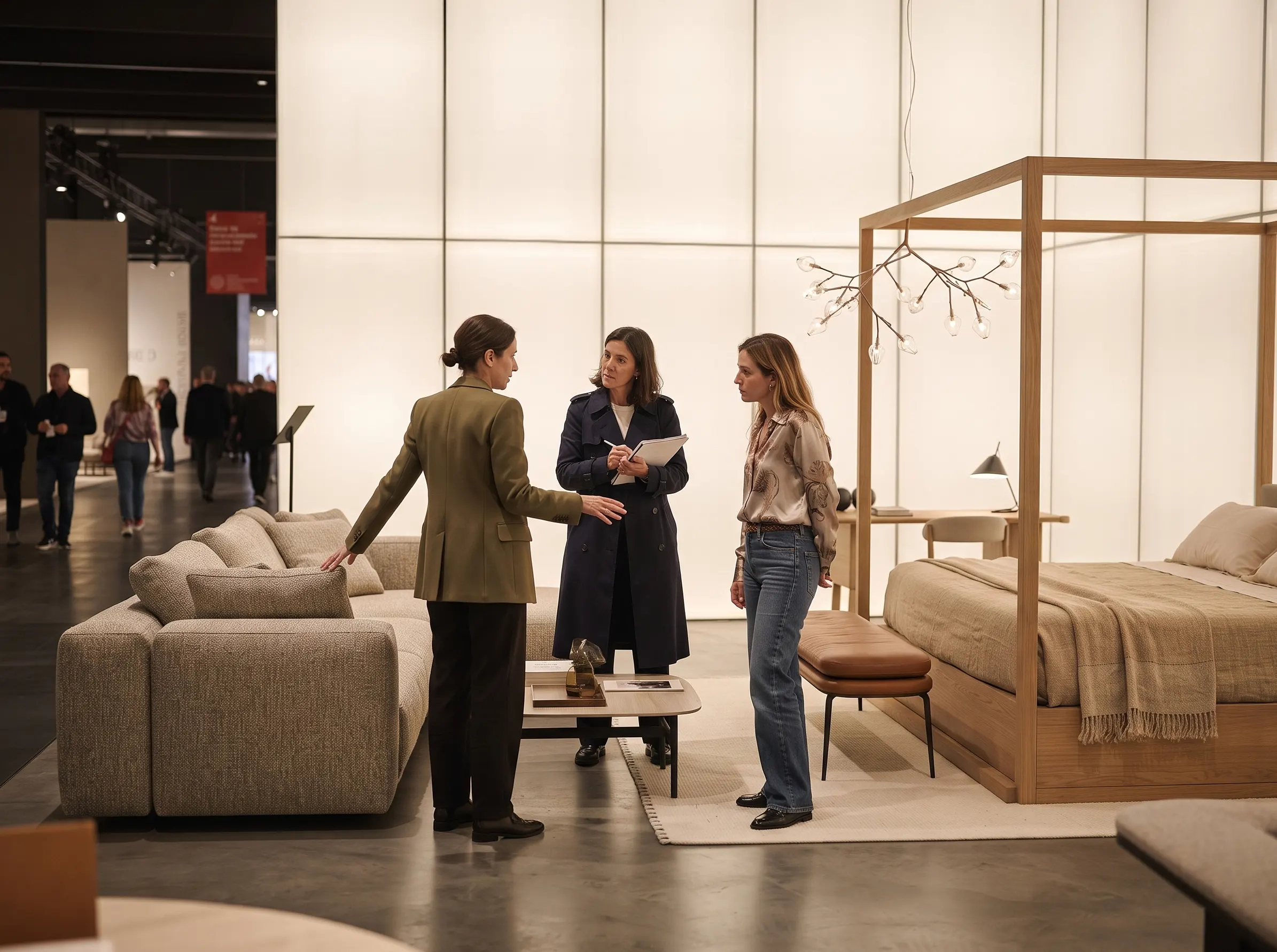
Milan does not just display furniture. It stages a lifestyle narrative that tells the world how we will live, work, and relax in the coming seasons. The curatorial logic at Salone is deliberately scenographic—booths are immersive environments, lighting is theatrical, and the flow between spaces is choreographed. CIFF, by contrast, still operates largely on a stall-style product display model. Rows of sofas, tables, and beds are presented with technical competence but minimal narrative architecture. The result? Milan makes you feel something. CIFF makes you compare price lists.
| Dimension | CIFF | Salone del Mobile |
|---|---|---|
| Curatorial Approach | Product-centric; booth-by-booth catalog display | Lifestyle-centric; immersive scenographic narrative |
| Trend Definition Role | Follows global trends; adapts for manufacturing scale | Originates trends; sets the year’s design vocabulary |
| Designer Visibility | Factory brands dominate; individual designers struggle for spotlight | Designer names are the draw; star power drives attendance |
| Media Narrative | Trade efficiency and supply chain stories | Cultural moments, aesthetic movements, and lifestyle forecasting |
| Satellite Ecosystem | Fragmented; no unified city-wide parallel program | Fuorisalone is arguably as important as the fair itself |
This gap in design narrative power is not a matter of budget. It is a matter of intent and cultural infrastructure. Milan has spent decades building a global design media relationship network that turns Salone into a month-long content engine. CIFF’s media strategy, by contrast, remains heavily focused on domestic trade circulation and manufacturing capability display.
City Infrastructure and Visitor Experience: Milan vs. Guangzhou/Shanghai
The fair does not exist in a vacuum. The city around it either supports global mobility or creates friction. Here, the differences are stark and, for some buyers, decisive.
| Experience Factor | Milan | Guangzhou / Shanghai |
|---|---|---|
| Visa Convenience | Schengen visa; straightforward for most Western passports | Chinese visa; invitation letters required, processing times variable, geopolitical friction increasing for some nationalities |
| City Internationalization | Fully global city; English, French, and German widely spoken in hospitality | Major business hubs; English penetration strong in tier-1 hotels but inconsistent elsewhere |
| Hotel and Transport | Purpose-built fair infrastructure; Rho Fiera metro connection; abundant international-standard hotels | CIFF Shanghai (Hongqiao) has improved dramatically; Guangzhou Pazhou is functional but can overwhelm during peak days |
| On-Site Multilingual Support | Italian, English, French, German, Spanish readily available | English and Mandarin dominant; other languages spotty outside main halls |
| Post-Fair Social Programming | Design week parties, gallery openings, and brand dinners are integral to deal-making | Growing but still limited; business culture tends toward formal dinners rather than spontaneous networking |
| Air Connectivity | Global hub; direct flights from all major design capitals | Excellent regional Asian network; long-haul direct flights from Europe and North America remain fewer than to Milan |
We have heard the visa complaint enough times to know it is not a minor inconvenience. For buyers holding passports that face heightened scrutiny or lengthy invitation-letter requirements, the friction cost of attending CIFF is measurably higher than Milan. That friction filters who attends.
The Structural Roots of the Gap
Why has CIFF not closed this divide despite two decades of aggressive growth? The answer is layered. Language barriers remain real; Mandarin dominance in back-channel negotiations and factory relationships creates an opacity that non-Chinese speakers struggle to penetrate. Visa policy is a sovereign issue, not a trade-show problem, but it shapes attendance patterns regardless. City internationalization infrastructure in Guangzhou and Shanghai has improved dramatically—CIFF Shanghai 2026 feels more international than any previous edition—but the gap in spontaneous global social infrastructure persists. Design originality deficit is another factor: Chinese manufacturers have moved up the value chain, but the number of globally recognized Chinese design brands remains small compared to Italy’s constellation of heritage houses and emerging studios. Finally, the global media relationship network deficit is perhaps the hardest to fix. You cannot buy the decades of editorial trust that Milan has accumulated with Western design media. These factors compound. They are not individually insurmountable, but together they create a moat that CIFF cannot cross simply by building larger halls.
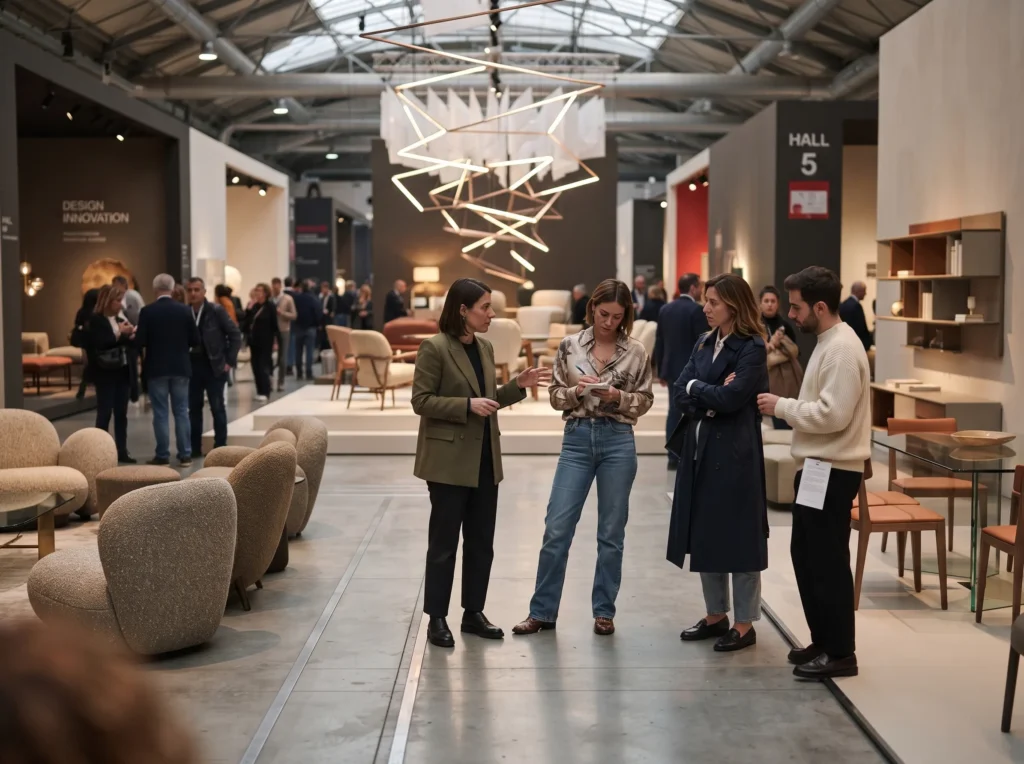
High-Risk Warnings: Where Buyers Get Burned
First, do not let the “world’s largest” headline seduce you into overestimating the density of global decision-makers. If your strategy depends on rubbing shoulders with European luxury buyers, CIFF is the wrong room. Second, do not attend Milan purely for design inspiration and then neglect the on-the-ground supply-chain work. The beautiful chair you saw at Rho Fiera may well be manufactured in Dongguan or Ningbo; you still need to make that connection. Third, timing matters. Missing the right fair for your procurement cycle can lock you out of seasonal production slots. Milan in April sets the autumn/winter tone. CIFF in March and September is about executing on those trends at scale. Misalign your attendance, and you miss the window.
Audience-Specific Playbooks
For Bulk Importers and Retailers
Split your calendar. Use Milan to see what will sell in eighteen months. Use CIFF to lock in factory capacity, negotiate MOQs, and inspect production lines. Do not expect to finalize serious manufacturing contracts in Milan; do not expect to discover next season’s aesthetic direction in Guangzhou.
For Interior Designers and Architects
Milan is non-negotiable. The material libraries, the spontaneous encounters with product designers, and the city-wide immersion are professional development. CIFF adds value only if you have a specific China-sourced specification in play or if you are building direct factory relationships for custom hospitality projects.
For Brand Buyers and Curators
Milan is where you hunt for exclusive distribution, licensing deals, and editorial-worthy launches. CIFF is where you audit whether a trending silhouette can actually be produced at the quality and price point your market demands. Treat them as sequential stops, not alternatives.

Frequently Asked Questions
Is CIFF worth attending for European and North American buyers?
It depends on your procurement depth. If you are already sourcing from China or need to evaluate factory capability directly, CIFF is efficient and cost-effective. If you are hunting for design direction or luxury brand partnerships, Milan is the better investment. For reference only, subject to official verification: our buyer network suggests that first-time Western attendees at CIFF report a steeper learning curve than at Milan due to language and navigation complexity.
Why do top international buyers still prefer Milan despite CIFF’s larger scale?
Because furniture exhibition global reach is determined by who sets the agenda, not who fills the floor. Milan offers concentrated decision-making authority, global media amplification, and the cultural signaling that validates a brand’s place in the design hierarchy. CIFF offers scale and supply chain access. Different buyers need different things.
Can Chinese furniture fairs realistically close the gap with Salone del Mobile?
Not in the near term, and not through hardware alone. The gap is a software problem: media relationships, design originality, visa policy, and curatorial philosophy. CIFF Shanghai’s evolution shows progress, but Milan’s design discourse power is entrenched by decades of cultural investment. For reference only, subject to official verification: industry insiders we have spoken with estimate that a genuine parity in international buyer quality would require at least another decade of sustained ecosystem investment.
What is the real advantage of attending CIFF over Milan?
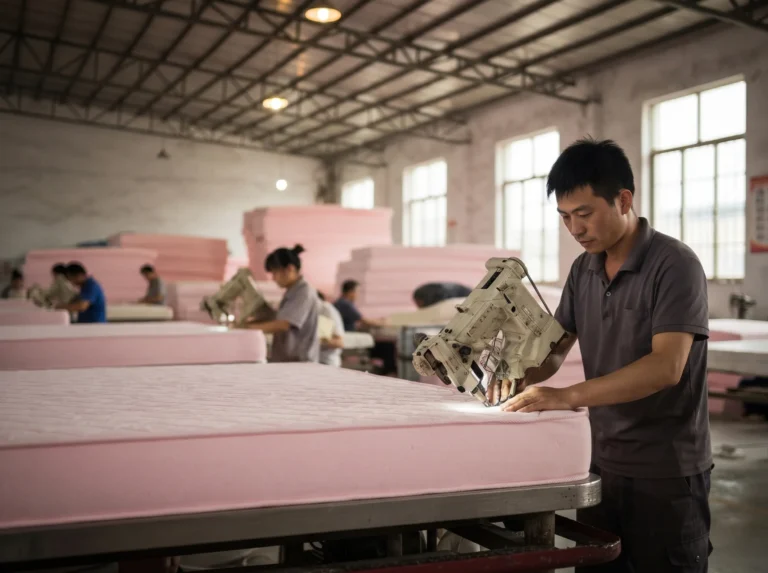
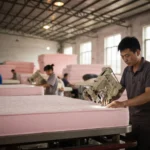
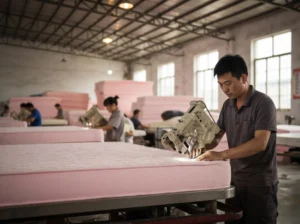
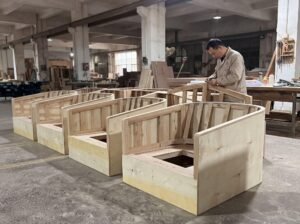
Speed and transparency. You can move from showroom to factory floor in hours. You can negotiate directly with owners rather than through layers of distribution. And you can see the full vertical stack—materials, components, finished goods, and logistics—in a single trip. That is a supply chain superpower Milan does not claim.
How should buyers manage expectations when attending both fairs in the same year?
Use Milan as your trend and relationship anchor. Use CIFF as your execution and verification layer. Do not carry Milan’s scenographic expectations into Pazhou or Hongqiao; you will be disappointed. Conversely, do not bring CIFF’s factory-direct pragmatism to Rho Fiera and expect immediate production quotes. Each fair has its own grammar. Learn both.
What Has Your Experience Been?
We have laid out the structural reality as we see it from the ground. But every buyer’s calculus is different. Have you walked both Rho Fiera and Pazhou in the same season? Did the buyer density at CIFF match your expectations, or did you find value in corners we did not mention? Drop your experience or your specific fair-selection question below—we read every response and use them to sharpen our field guides.
Recommended Resource
Interi Furniture specializes in custom furniture manufacturing for residential, hospitality, and commercial projects. Their experience in materials, craftsmanship, and project realization makes them a valuable resource for designers and buyers seeking tailored furniture solutions from China.