





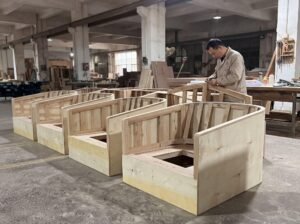
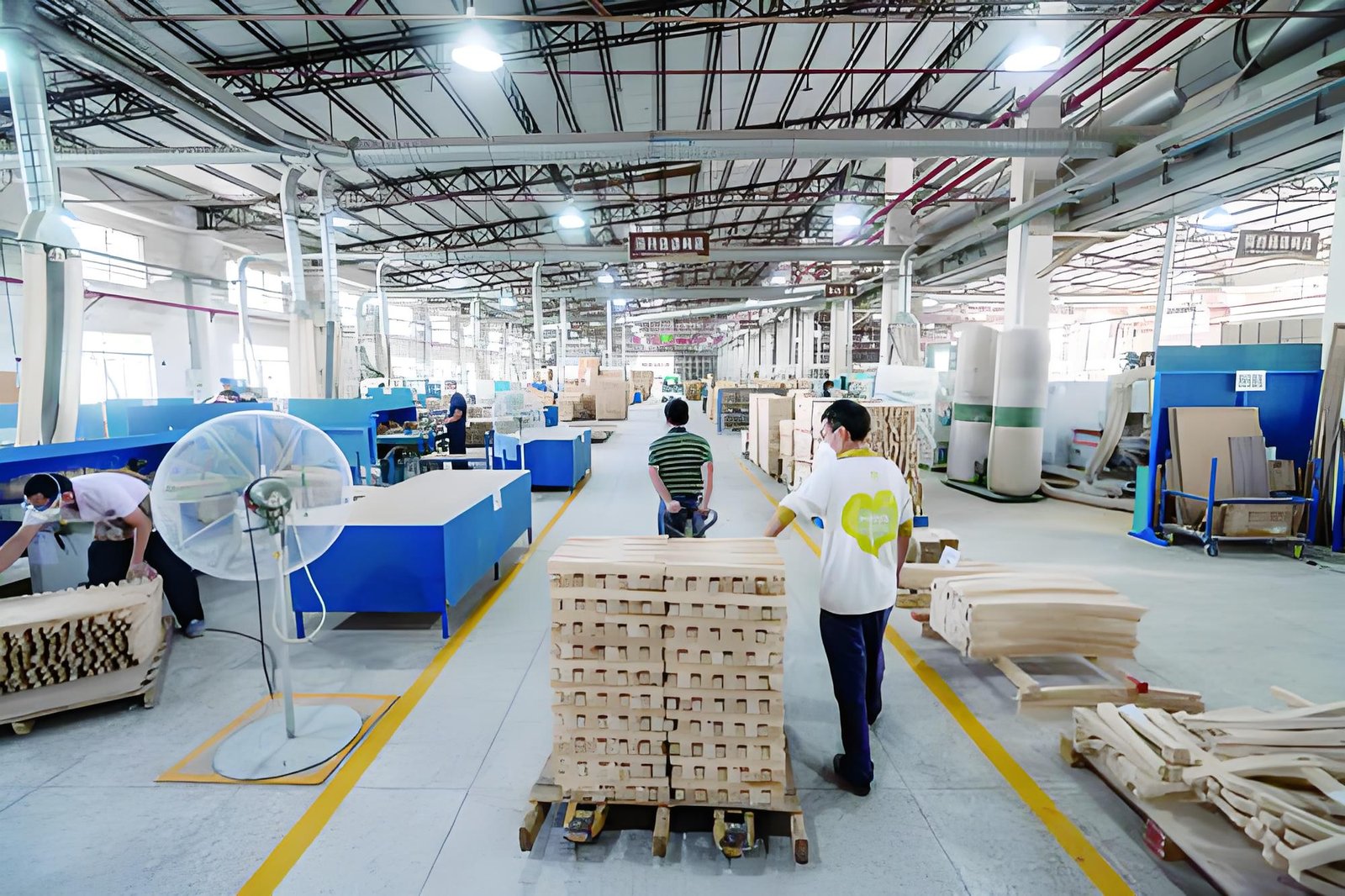
Core takeaway first: Walk through Lecong at 10 PM. Half the “factory direct” storefronts are dark—because the “factory” is a 60-square-meter corner rented by a guy who sources from three workshops he found on WeChat. That is the norm, not the exception. This piece maps how hidden trading company operations work, what they cost you, and how to verify who you are actually paying.
What “Factory Direct” Actually Looks Like on the Ground
March 2026. Three weeks between Foshan Lecong, Dongguan Houjie, and a bamboo factory strip in Anji. Pattern is consistent: the bigger the “factory direct” banner, the smaller the actual operation behind it.
The Three-Layer Setup
Layer 1 — The Gate Photo
They grab a picture of a factory gate from somewhere—sometimes a real facility 40km away they visited once for a photo. Run reverse image search. Same rusted gate, three different websites, three different company names Photoshopped on. Happens constantly.
Layer 2 — The Night-Shift “Director”
The guy answering your WhatsApp at midnight is not an engineer. He is a commission trader who forwards your spec sheet to three workshops, picks the highest quote, adds his cut, and sells it back to you as “direct manufacturer claims.” His English is native-level. His technical knowledge is whatever the factory posted on WeChat that morning.
Layer 3 — The Showroom
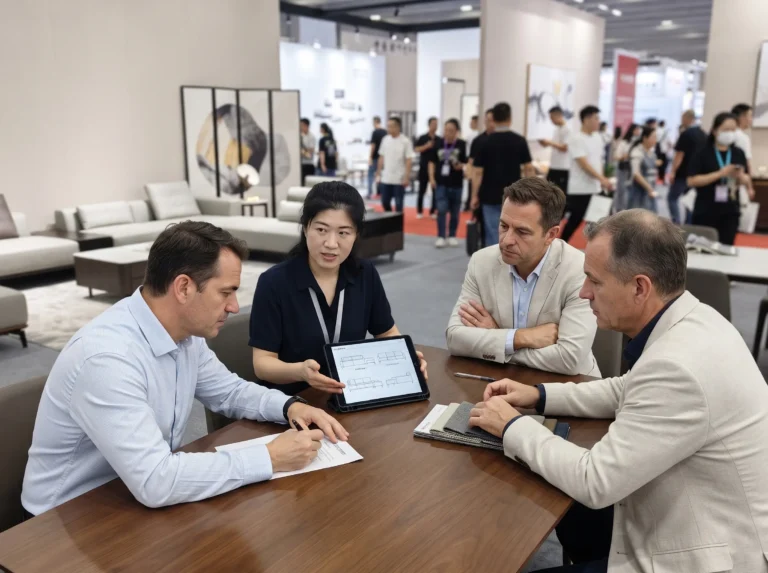
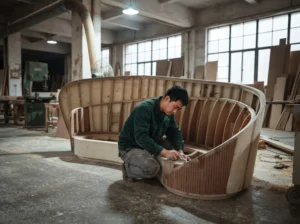
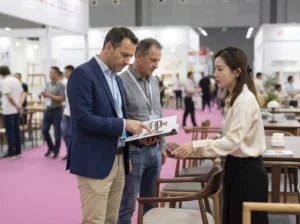
Rent a corner in Lecong or Houjie. Twenty samples under warm LED lighting. Jazz playing. Claim it is the “factory showroom.” Reality: those samples came from five different workshops last week. Real factories smell like thinner and sawdust. These places smell like air freshener.
The Markup They Hide
Real factory quotes a mid-grade fabric sofa at $800 FOB Shenzhen. A hidden trading company will quote you $1,050–$1,200. That is $250–$400 in hidden margin. Plus 7–14 days relay time while they renegotiate with the actual workshop. Plus zero accountability when defects show up—”the factory made a mistake, we are just the agent.”
On a 40HQ container with 200 sofas, that middle layer extracts roughly $50,000–$80,000 from your budget. For nothing.
Who Gets Hit: B2B vs. Individual Buyers
B2B Bulk Orders
Hotel groups, Amazon sellers, design studios—anyone moving 20+ containers. The damage scales fast.
● Price bleed at volume. A hidden trading company on a $200,000 hotel fit-out project can pull $50,000–$80,000 in hidden markup while still calling it “factory direct” pricing.
● No QC. They do not have inspectors. They rely on the workshop’s self-check. Defects get found in your Florida warehouse, not their Guangdong workshop. We have seen “oak” hotel headboards that were rubberwood with a 0.2mm veneer—discovered only after installation.
● Compliance collapse. When U.S. CBP asks for anti-dumping docs or FSC certificates, the trader vanishes. The real workshop has no contract with you and refuses to provide traceability paperwork. Your container sits at Long Beach for three weeks, racking up demurrage.
Individual Buyers: 1–5 Pieces
For overseas families, the rules are different. The traps are sharper.
● Fake MOQ. They claim “factory direct MOQ 1 piece.” Real workshops in Foshan need 20+ pieces per model minimum. What they do: walk to the local retail market, buy your item at RMB 2,800, and resell it to you at $890 FOB.
● Material switch. You ordered solid oak. You get rubberwood with oak veneer. The “direct manufacturer” blames their “supplier.” The supplier blames the “factory.” Nobody owns it.
● Ghost after delivery. Marble cracked? Upholstery torn? The “sales director” stops responding. The real workshop never knew your name. You have a $4,000 furniture set and zero recourse.
Spotting a Fake Factory in Five Minutes
Online Checks (Do Before You Fly)
| Check | Real Factory | Disguised Trader |
|---|---|---|
| Domain age | 5+ years, consistent branding, technical posts | 1 year, generic Shopify template, stolen images |
| Address via Chinese maps | Industrial zone, factory building, loading bays on Baidu/Amap | Apartment, office tower, showroom mall. Note: Google Maps data for China is stale—often 5–10 years old—because Google withdrew from mainland search in March 2010 and failed to secure a mapping license by the June 2011 deadline. Use Baidu Maps or Amap for current verification. |
| Product range | Narrow, specialized (e.g., only solid wood beds) | 200+ unrelated items: sofas, lamps, rugs, pet furniture |
| Technical replies | 24–48h, engineer-level detail on joinery, foam density | Instant, scripted, vague on hardware specs |
| Video call | Shows dusty workshop, raw stacks, CNC machines | Refuses, or shows a rented showroom corner only |
| License scope | May show manufacturing or sales. In China, many factories register separate trading entities for tax optimization—scope alone is not proof either way | Often shows only sales, but same caveat applies |
If You Visit China: Field Verification
1.License is a starting point, not a verdict. China’s tax system pushes many manufacturers to register a separate trading company for overseas sales, VAT handling, and export rebates. The entity you contract with may legally show “sales” or “trading” while being directly tied to the production entity. Ask for the group structure chart and cross-check the legal representative across entities. Factory owners often serve as legal rep for both production and trading arms.
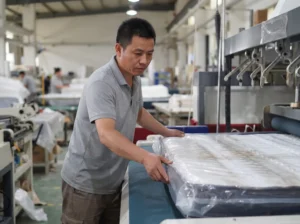
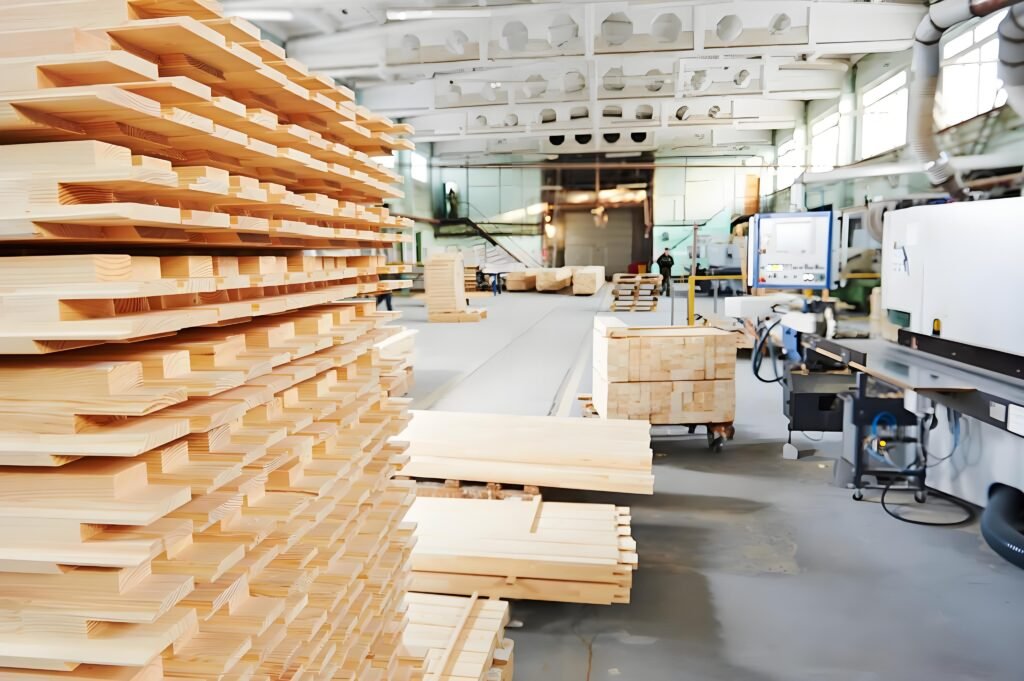
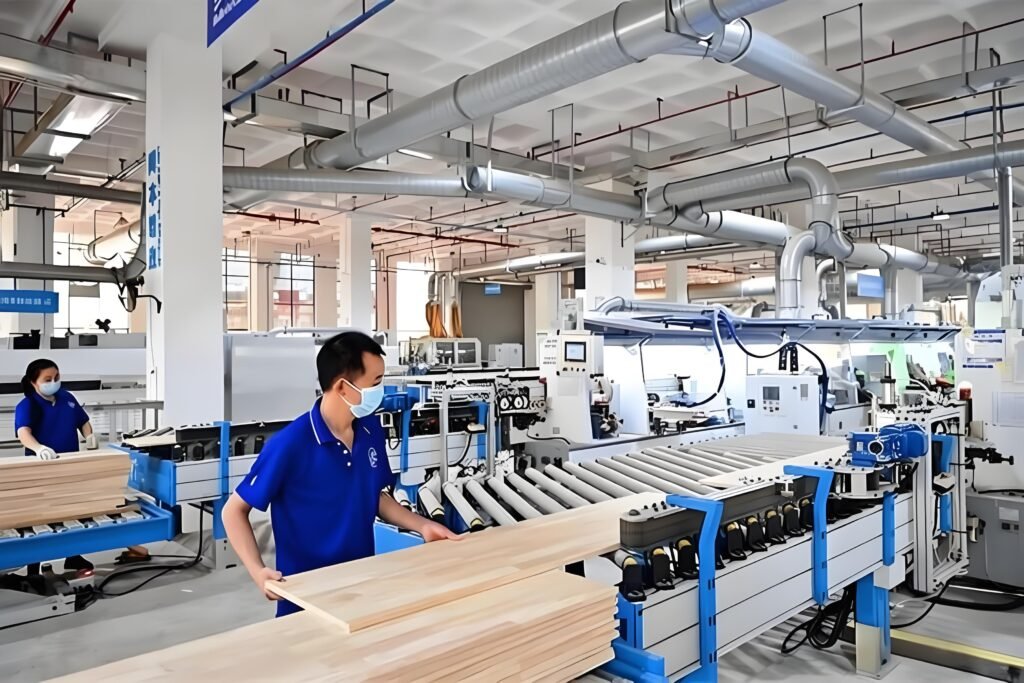
2.Count CNC machines. A real mid-size furniture manufacturer has 8–15 routers, edge banders, sanding lines. A trader has a coffee machine and sample racks.
3.Check the floor. Real workshops have sawdust, thinner fumes, dust masks. Trader showrooms have diffusers.
4.Ask for the foreman’s name and number. A factory owner knows every foreman personally. A trader hesitates or gives a fake name.
5.Request an on-site custom sample. Real factory: 3–5 days using their own machines. Trader: “we need to send it to our partner workshop”—relay exposed.
6.Request an on-site custom sample. Real factory: 3–5 days using their own machines. Trader: “we need to send it to our partner workshop”—relay exposed.
The Real Cost: Risk by Category
Financial
Industry estimates from the Foshan furniture market put the hidden trading company markup at 18–35% over direct factory pricing. On a standard $45,000 40HQ container, that is $8,000–$15,000 in unnecessary margin—enough to cover your freight and customs twice.
Quality
Without direct quality control, common field-documented issues:
● Wood moisture at 14%+ (export standard is 8–12% for North America/EU), causing warping six months later
● Hardware swapped from promised Hettich to unbranded local copies that corrode within a year
● Foam density cut from 35kg/m³ to 28kg/m³—looks identical, sags within 18 months
Compliance
When U.S. tariffs or EU deforestation rules (EUDR) hit, direct manufacturer claims collapse. The hidden trading company cannot certify origin. The real workshop, not bound to you by direct contract, refuses FSC, EUTR, or anti-dumping paperwork. Your shipment gets held at port. Your timeline collapses.
Personal Buyer Guide: Verifying Without Flying to China
Step 1: Reverse image search every photo. Same workshop under three different company names? Stock photo.
Step 2: Check Alibaba “Factory Audit” tab. Gold Supplier just means they paid Alibaba. Factory Audit is what matters. If it says “Trading Company” or is missing, walk.
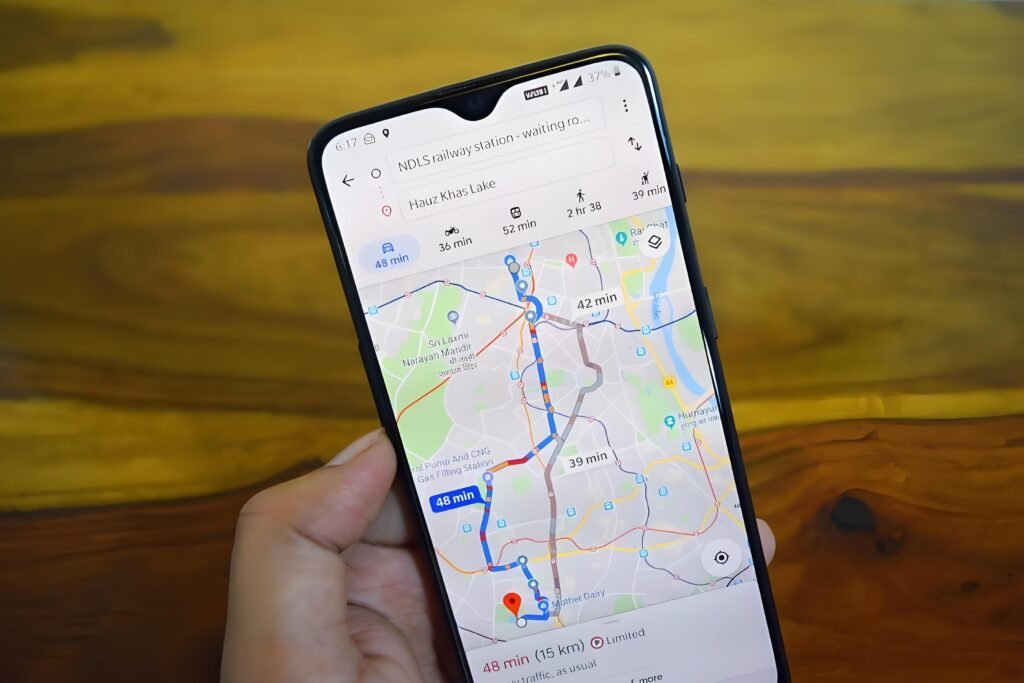
Step 3: Use Baidu Maps or Amap, not Google Maps. Google’s China data is frozen from 2010–2011 and offset by 100–500 meters due to coordinate system mismatches. Baidu and Amap show current street view and business data.
Step 4: Ask technical questions only an engineer knows.
● “Edge banding thickness for 18mm melamine board?”
● “PUR or EVA glue for upholstered frame assembly?”
● “Standard wood moisture content before packing?”
A trader copy-pastes or ghosts. An engineer answers in 10 seconds with numbers.
Step 5: Video call inside the workshop, not the showroom. Ask them to walk to the cutting station and read the CNC brand (Biesse, Homag, SCM). Real furniture manufacturers do not hide this.
Step 6: For orders above $3,000, hire third-party inspection. SGS, Bureau Veritas, QIMA. $150 saves you from a $5,000 mistake.

FAQ
Q1: Are all trading companies bad?
No. Honest traders add real value: consolidation, QC management, logistics. We only target the ones who lie about being factories.
Q2: Can I buy direct from a real factory with a small order?
Rarely. Real workshops need 20–50 pieces per model. For 1–5 pieces, use a transparent trading company or verified agent—not a disguised one.
Q3: How do I verify a factory’s export license?
Ask for the Customs Registration Certificate (海关注册登记证). Cross-check on China’s Customs enterprise credit system.
Q4: What is a reasonable markup for an honest trader?
8–15% for consolidation and QC. Above 20% with no added value suggests a hidden trading company.
Q5: Do fake factories sell on Amazon or Wayfair?
Yes. Many “brands” on these platforms are Foshan furniture market traders with U.S. warehouse partnerships. They source from the same workshops you could reach directly.
Q6: Is a 30% deposit safe with a trader?
Only if you have verified their license, checked Alibaba transaction history, and confirmed product liability insurance. Above $10,000, use escrow.
Q7: Why can’t I rely on Google Maps for Chinese factory verification?
Google withdrew from mainland search in March 2010 and failed to obtain an internet mapping license by June 2011. Since then, Google Maps data for China has gone stale—business listings often 5–10 years out of date, with 100–500 meter positional errors due to China’s GCJ-02 coordinate mandate. Use Baidu Maps or Amap (Gaode) for current, accurate data.
Q8: Their license shows “trading” scope, but they claim to own a factory. Lie?
Not necessarily. Under China’s tax and export rebate system, many manufacturers register a separate trading entity for foreign sales and VAT optimization. The trading company may legally show “sales” while being directly affiliated with the production entity. Verify by asking for the group structure chart, cross-checking the legal representative across entities, and demanding the affiliated factory’s production permit and environmental assessment. Physical presence of manufacturing equipment is the only definitive proof.
Recommended Resource
Interi Furniture specializes in custom furniture manufacturing for residential, hospitality, and commercial projects. Their experience in materials, craftsmanship, and project realization makes them a valuable resource for designers and buyers seeking tailored furniture solutions from China.
Image credits: Some photos sourced from CIFF exhibitions and public industry zone references. Contact us for removal if any copyright concerns arise.