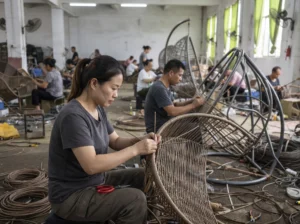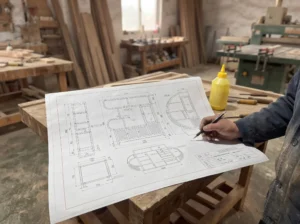


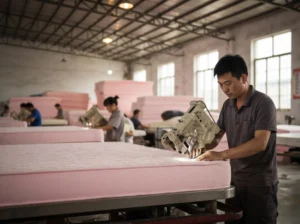

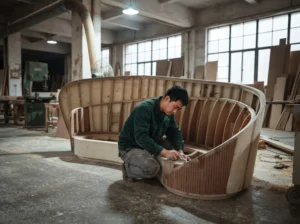
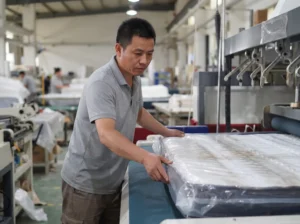



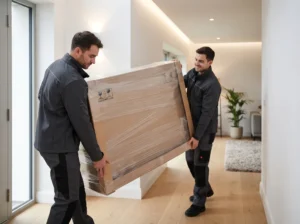

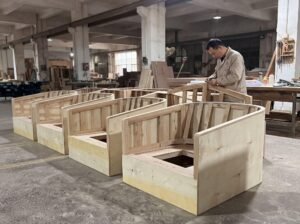
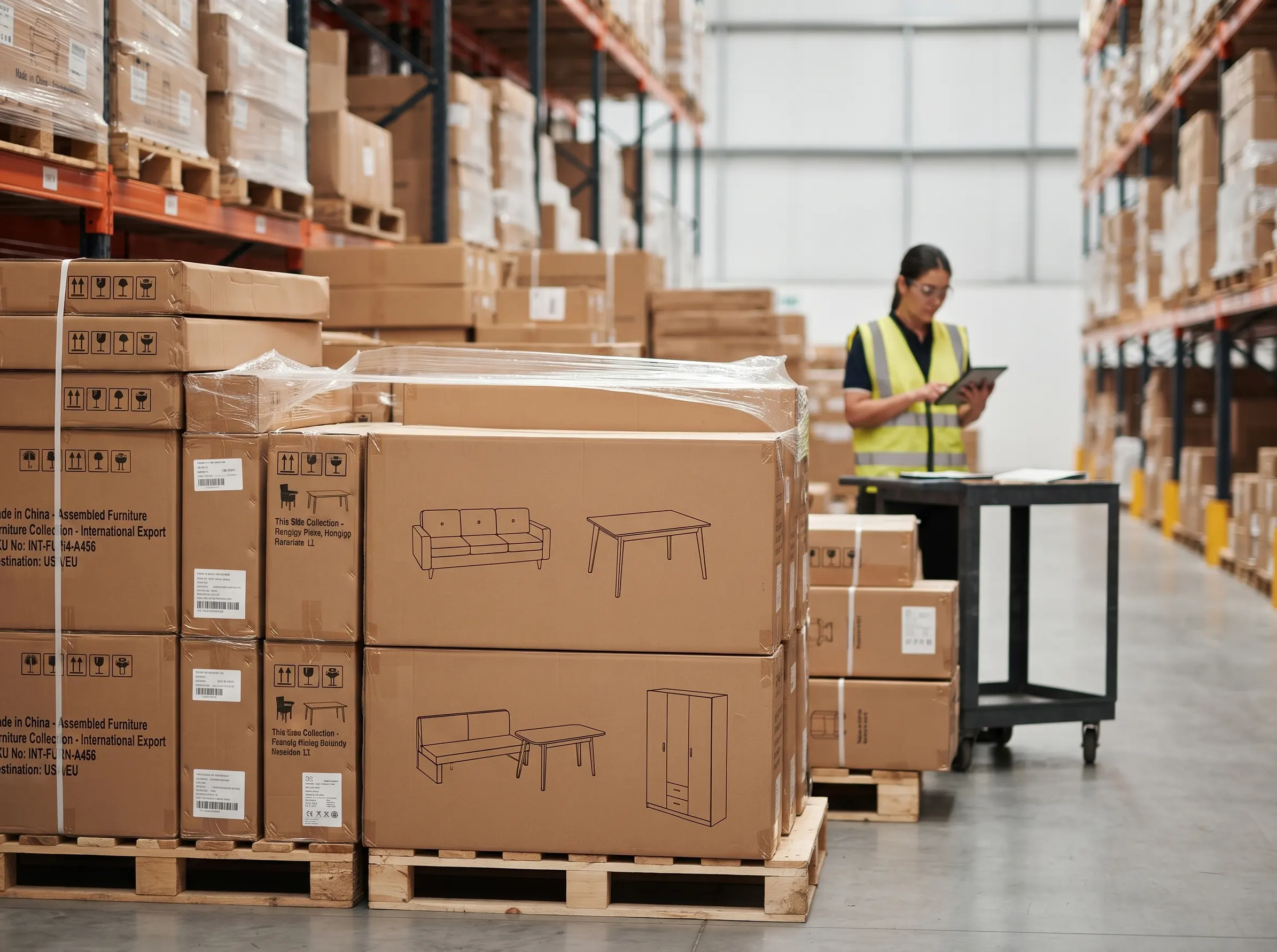
The air in Zhang’s sofa factory smells like glue and sawdust. It’s loud. Compressors hiss. Workers in dust masks staple foam to plywood frames. I asked Zhang last March—straight up—if he’d ship one sofa to a customer in Texas. He looked at me like I’d asked him to fly. “One piece? To a house?” He laughed. Not a mean laugh. A real one. “We don’t pack for that. We pack for containers.”
That’s the smell test most online sellers never get to take. They browse Alibaba at midnight, see a listing screaming “factory direct dropshipping,” and think they’ve found a backdoor to margin heaven. They haven’t. What they found is usually a trading company in Shenzhen with a rented showroom and a photographer who knows how to make particle board look like walnut. The actual factory—the spray booths, the cutting tables, the workers earning piece-rate wages—often doesn’t know your customer exists. At all.
Are there exceptions? Sure. I met a guy in Anji running a 12-person metal chair workshop who ships singles through a cross-border partner. A foldable furniture startup in Ningbo sends one or two units daily. They exist. But they’re outliers. Tiny. New. Desperate for volume. Their margins are paper-thin and their quality consistency is a coin flip. The dropshipping furniture China playbook you saw on YouTube—find supplier, list product, collect profit—was written for phone cases and dog leashes. Not for 45-kilogram dining tables that need three boxes, $18 worth of cardboard coffins, and a shipping bill that eats 30% to 60% of your factory cost before the thing even hits the ocean.
Why the Big Factories Won’t Touch Your Single Order
Volume isn’t greed in Foshan. It’s oxygen. Zhang’s 200-worker facility cuts 20 sofa covers at once on the same table. One spray booth runs 40 identical dining chair frames in a batch. A single 40-foot container swallows 30 bedroom sets. You want one coffee table? That means stopping the line. Changing the blade setup. Pulling a different wood stock. Reconfiguring the CNC. The math dies right there. Zhang said it plain: “My foreman would think I’m joking.”
The factories that do say yes to singles? Two types. Micro-workshops with no real line to disrupt—they’ll hand-build your piece in a corner and charge you like it’s custom furniture. Or bigger plants that quietly park your “single” order in a queue until they hit their real MOQ of 20 or 50. You think you’re getting fast fulfillment. You’re actually waiting three weeks while they batch you with nine other suckers who also fell for the “instant shipping” badge.
Logistics is the other wall. These exporters spent 30 years mastering FOB container loads. They know freight forwarders who move 500 boxes a month. They do not know FedEx Freight. They do not know white-glove delivery in Phoenix. Ask about DDP to a residential address and you get a blank look. Their ERP tracks container numbers and customs declarations. Not consumer tracking codes. Industry people we talk to estimate maybe 3% to 5% of China’s major furniture hubs have any real direct-to-consumer shipping setup. The rest? They hand your box to a logistics middleman they’ve never met. So much for “factory direct.”
What “Factory Direct” Actually Looks Like
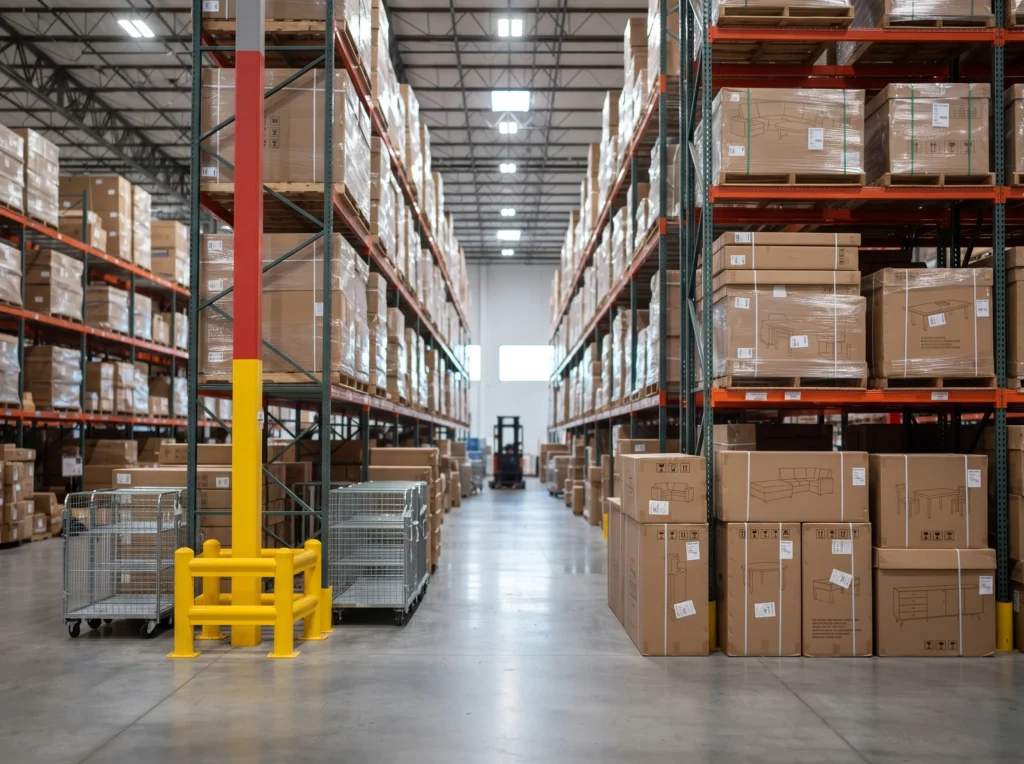
Let me walk you through the real China dropshipping furniture pipeline. It’s 2 AM. You order one coffee table from a slick Alibaba storefront. The “supplier”—actually a two-person trading desk in Guangzhou—takes your money. They wait. They need 20 more coffee tables to hit the factory’s MOQ. Could take days. Could take weeks. Eventually they pay the factory. The factory produces the batch. Trucks it to the trading company’s rented warehouse in Dongguan. Now your single table gets pulled from the pile, repacked, relabeled, and handed to a cross-border shipper. The “factory direct” part of your story lasted exactly as long as it took the truck to leave the factory gate. About 48 hours. After that, you’re just paying a middleman who rented a camera.
Middlemen aren’t evil. Some are good. They translate. They inspect. They handle the mess. The sin is the lie. When a supplier claims “we are the factory” while running this relay, they’re burying accountability. Customer gets a cracked tabletop? Trading company blames the factory. Factory blames the shipper. Shipper blames the box. You eat the refund. I watched a Florida seller go through this exact circus last year. His “factory contact” was a shared desk in a Guangzhou co-warehouse. Real factory? Ninety minutes away. Never heard of Shopify. Never heard of him.
The Costs Nobody Puts on the Spreadsheet
The furniture dropshipping model dies in the shipping calculator, not the product page. That $200 factory sofa? Add 30% to 60% for international freight alone. You’re at $320 to $380 before customs even looks at it. Packaging isn’t free either. A single dining chair needs corner protectors, foam inserts, and a double-wall carton that costs $8 to $12 just to manufacture. Spread that over 500 units on a container ship and it’s noise. Charge it to one express shipment and it’s a margin killer.
Returns? Worse. Way worse. Industry data says online furniture return rates average 12.3%. In dropshipping—where packaging gets rushed, QC is spotty, and nobody double-checks before the box seals—that number climbs fast. Sellers who survive this game budget 15% to 25% of revenue for damage, returns, and partial refunds. Bulky stuff like sofas or dining sets? That reserve can blow past 30%. And here’s the gut punch: returning a $180 chair to China costs $250 in freight plus customs headaches. Most sellers just eat it. Write it off. Pray the next order covers the loss. The gurus selling $997 courses? They don’t teach that math.
Then there’s the duty minefield. Mattresses. Wooden bedroom furniture. Some upholstered pieces. The U.S. slaps anti-dumping duties on these. In a dropshipping flow, who’s responsible for classification and payment? Usually nobody. Until your customer’s shipment gets stuck at the port and your inbox explodes at midnight.
Who Actually Survives in This Game
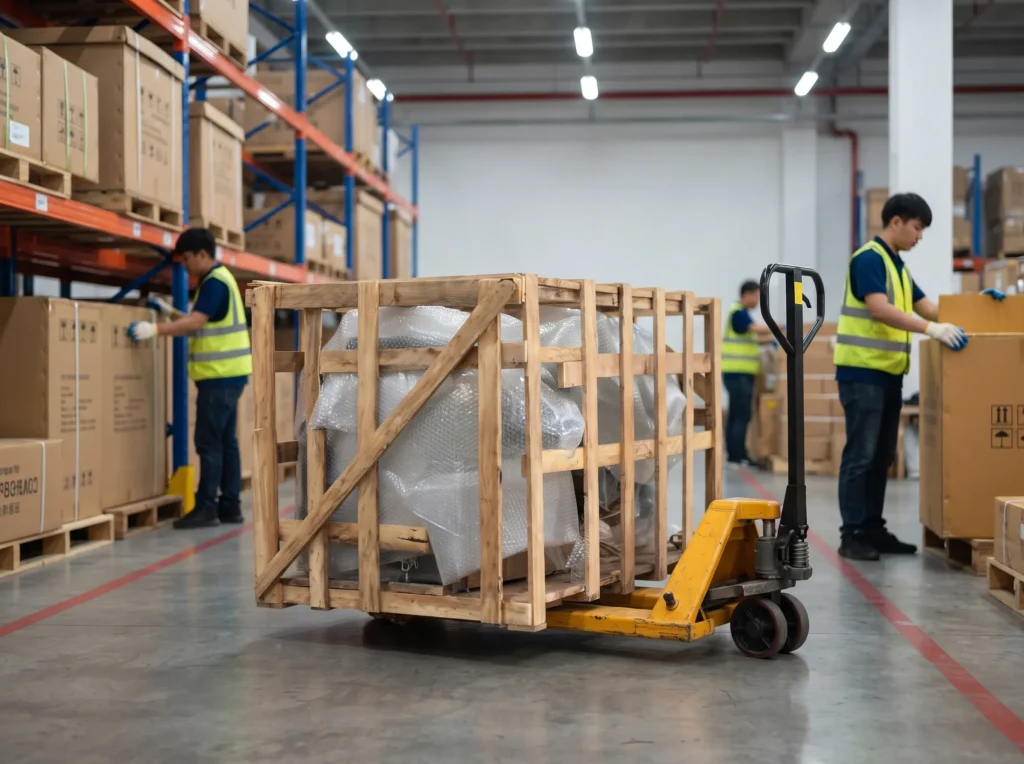
The sellers still standing after year two aren’t hunting “factory direct” fairy tales. They’re buying bulk. Shipping sea freight to domestic warehouses. Fulfilling from New Jersey or Rotterdam. To the customer it looks like dropshipping—list, sell, ship—but the inventory is sitting in a warehouse 200 miles from the buyer, not a factory in Shunde. These sellers hold stock because they know it’s the only way to control delivery time, packaging quality, and returns. A mattress from California to Colorado? Five days. Return it to a local warehouse. Same mattress from Foshan? Four weeks. Cost to return it? More than the mattress is worth.
Look, if you’ve got five grand and a Shopify theme, furniture dropshipping from Chinese factories is a trap. The unit economics are broken. The logistics infrastructure doesn’t exist at scale. QC is a black box. The ones making it work either have deep pockets for domestic warehousing, real relationships with trading companies who actually inspect goods, or they stick to niches—small accent pieces, foldable stuff, anything under 15 kilograms where shipping doesn’t devour the margin. Even then, it’s thin. Headaches are real. That “zero inventory” dream? Beautiful story. In furniture, it’s usually just a fast road to chargebacks and burned bridges.

FAQ
Can I really find a Chinese furniture factory that ships single orders directly to my customers?
A handful exist. Tiny workshops. New exporters trying to ride the e-commerce wave. But they’re exceptions, not the rule. Most “factory direct” listings are trading companies wearing a factory mask. Even when you find a real factory willing to ship one piece, they usually lack the packaging, logistics, and after-sales backbone to do it right.
Why is furniture shipping so much more expensive than dropshipping small goods?
Furniture is bulky, heavy, and fragile. International shipping typically eats 30% to 60% of the factory price. Small goods run 10% to 15%. Packaging, last-mile delivery, and damage rates multiply the pain.
What happens when a customer wants to return a dropshipped furniture item?
Nightmare. Cross-border return shipping often costs more than the item itself. Most sellers absorb the loss or offer partial refunds. That’s why experienced sellers warehouse domestically—local returns, local headaches.
Are there any furniture categories where dropshipping from China actually works?
Small, lightweight items under 15 kilograms. Foldable chairs. Accent tables. Storage organizers. Shipping stays manageable. But margins stay thin and quality control stays shaky.
Is “factory direct dropshipping” always a scam?
Not always a scam. Usually misleading. It’s marketing language, not a business model. Sellers who last buy in bulk, warehouse locally, and treat “direct from China” as a supply chain step—not a fulfillment strategy.
Recommended Resource
Interi Furniture specializes in custom furniture manufacturing for residential, hospitality, and commercial projects. Their experience in materials, craftsmanship, and project realization makes them a valuable resource for designers and buyers seeking tailored furniture solutions from China.