




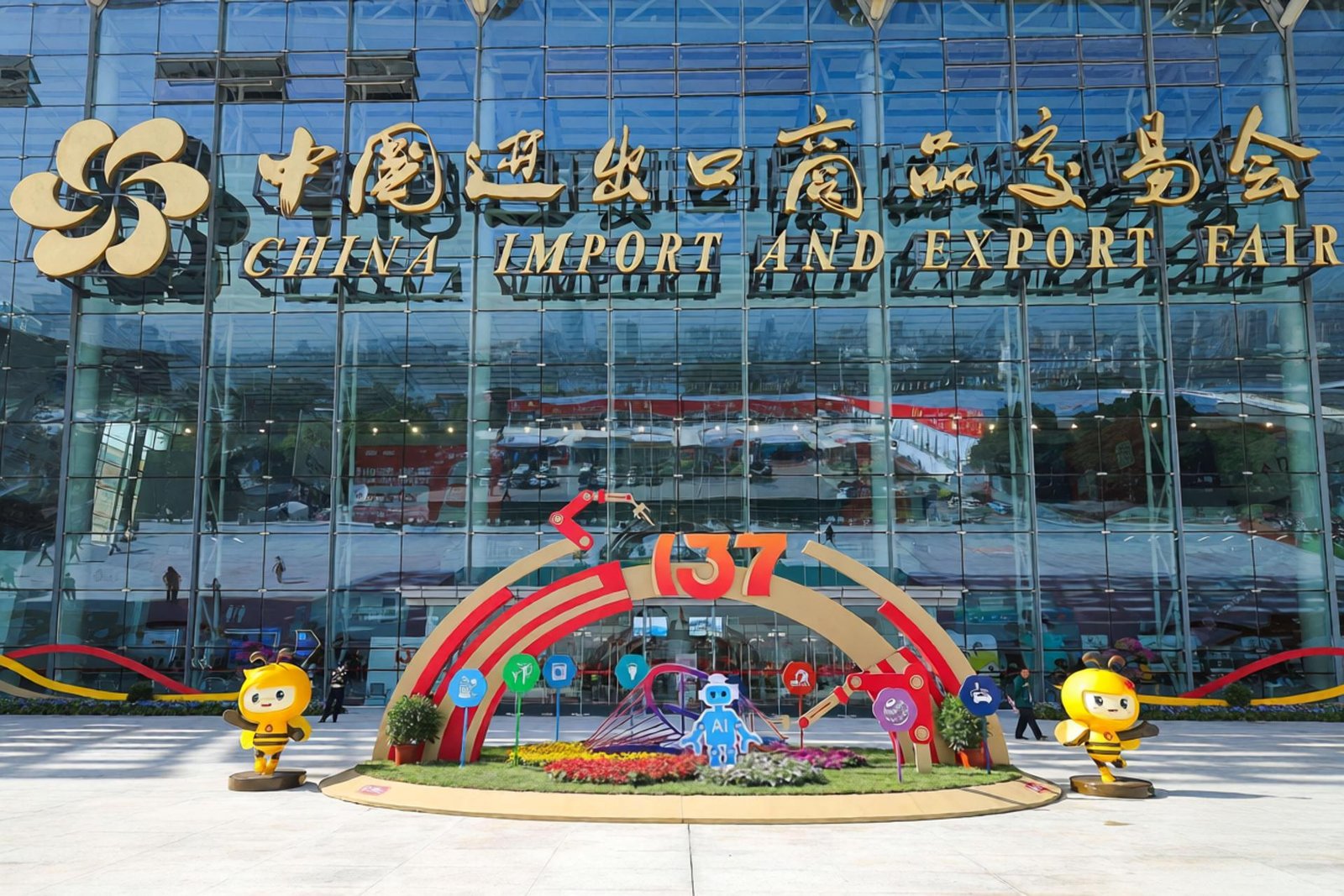
Let me cut straight to the chase. Guangzhou Canton Fair ecosystem isn’t a trade show. It’s a 60-year-old procurement infrastructure that makes Guangzhou the most efficient furniture sourcing gateway in China. The real value isn’t inside the exhibition halls. It’s in the surrounding trade service cluster that handles everything from factory matching to customs clearance. Buyers who understand this ecosystem get lower MOQs, faster turnaround times, and far less sourcing risk than those who drive straight to Foshan or Dongguan factories. The ones who don’t? They burn cash, waste time, and fly home empty-handed.
Why Most Buyers Leave Canton Fair Frustrated
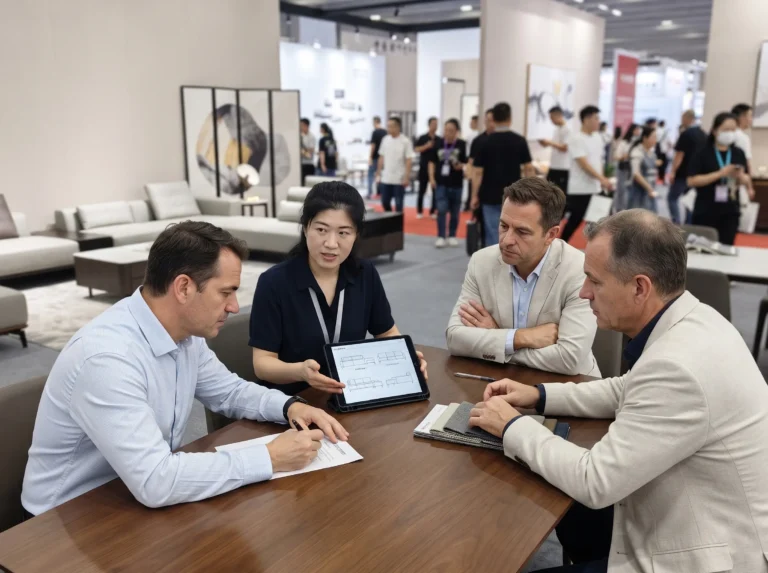
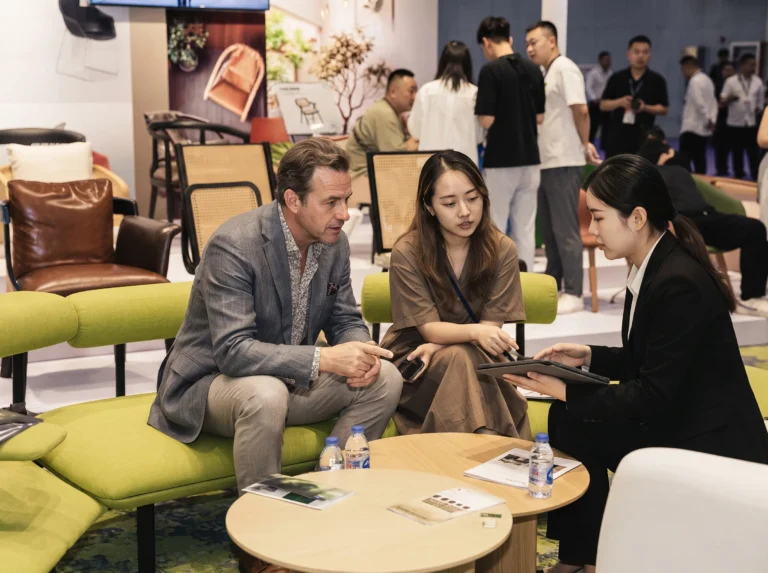
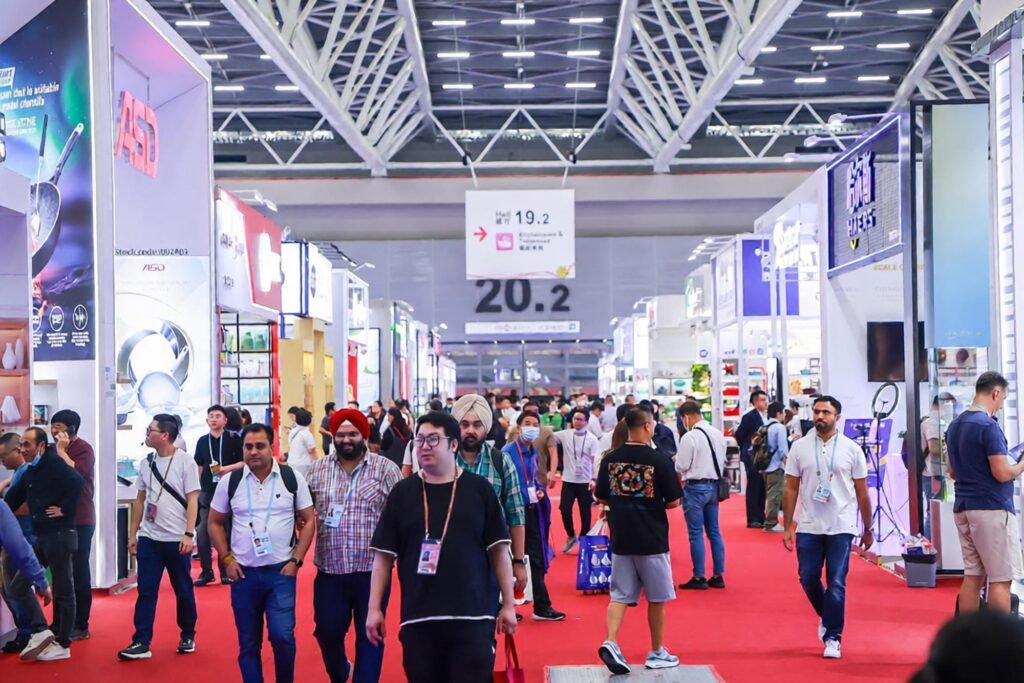
Every April and October, buyers land in Guangzhou with the same naive plan: walk the halls, shake hands with factory owners, fly home with a supplier list. By day two, reality kicks in. Hard.
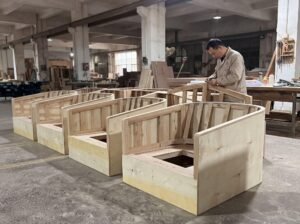
The booths are crawling with trading companies pretending to be manufacturers. The “factory representatives” speak flawless English but go blank when you ask about joint construction or veneer grading. And those MOQs—100 pieces per SKU, sometimes more—freeze out anyone who isn’t a hotel chain or a big-box retailer.
We’ve walked the furniture halls at Area B, Pazhou Complex for eight straight seasons. The pattern is depressingly consistent. First-time buyers spend maybe 70% of their time inside the exhibition center. They leave with a stack of business cards that lead absolutely nowhere. Experienced buyers? They might spend 30% of their time in the halls, tops. The rest happens in office towers along Guangzhou Avenue, in factory audit trips coordinated through trading clusters in Panyu, and in back-room negotiations at logistics hubs near Huangpu Port.
The frustration isn’t the show’s fault. It’s a fundamental misunderstanding of what the Guangzhou Canton Fair ecosystem actually is.
What the Ecosystem Actually Looks Like (And Why Most People Miss It)
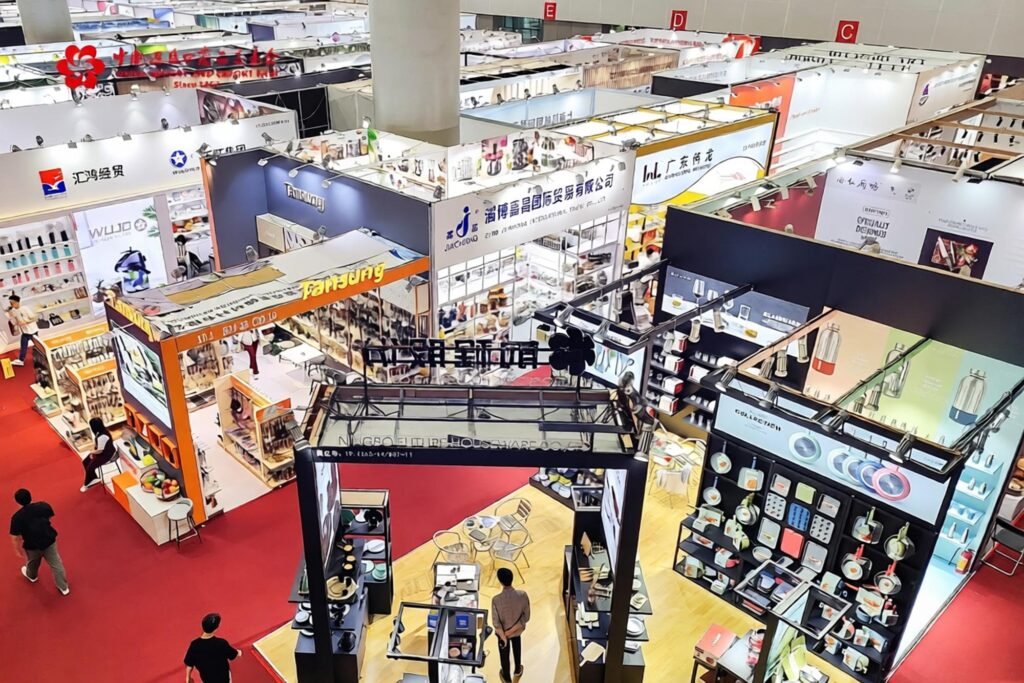
Here’s something that breaks most buyers’ assumptions: Guangzhou’s core competitive advantage isn’t furniture production capacity. It’s the trade service infrastructure that has built up around six decades of Canton Fair operations.
Sure, Guangzhou has some furniture manufacturing. Panyu, Conghua, and parts of Huadu host mid-to-large scale producers serving both domestic and export markets. But that’s not the city’s real role. Guangzhou is a trade orchestration layer. During Canton Fair Phase 2 (the furniture phase), the area within a 3-kilometer radius of the Pazhou Complex turns into a temporary procurement command center. Industry folks we’ve talked to estimate that over 2,000 furniture trading companies set up temporary reception offices in serviced apartments and business hotels during the fair window. These aren’t exhibition booths. They’re negotiation rooms where real pricing gets locked, MOQs get hammered down, and payment terms get sorted.
The 80/20 rule hits hard here: roughly 80% of actual furniture transactions initiated during Canton Fair season happen outside the exhibition hall, in these satellite offices and factory visit follow-ups. The booth is just the handshake. The deal gets made in the ecosystem.
Most buyers never see the five layers that make this work:
| Ecosystem Layer | What It Actually Does | Where It Clusters |
|---|---|---|
| Exhibition Gateway | Initial supplier contact, product browsing, trend spotting | Pazhou Complex, Areas A–D |
| Trading Company Cluster | MOQ negotiation, factory matching, order consolidation | Tianhe CBD, Panyu towers, Haizhu wholesale corridors |
| Factory Coordination Network | Factory audits, sample production, quality control | Shunde (Foshan), Dongguan, Zhongshan—accessed via Guangzhou brokers |
| Logistics & Customs Hub | Consolidation, export docs, freight forwarding | Huangpu Port, Nansha Port, Baiyun Airport cargo zone |
| Design & Sampling Studio | OEM customization, material sourcing, prototype work | Guangzhou Design Week venues, Chancheng studios |
Skip Guangzhou and go straight to Foshan? You’ll see factories, no doubt. But you’re on your own for quality control, logistics coordination, and export documentation. For orders under $50,000, the “direct factory” route often ends up costing more in time and hidden fees than routing through Guangzhou’s trade layer. We’ve seen it happen too many times.
Why Guangzhou Wins: A trade hub exhibition Comparison
“If I want furniture, why not just go to Foshan? If I want a trade show, why not CIFF Shanghai or Shenzhen Design Week?”
Fair questions. The answer is ecosystem completeness.
| Factor | Guangzhou | Shanghai | Shenzhen | Foshan |
|---|---|---|---|---|
| Exhibition Scale | Canton Fair: 25,000+ exhibitors, 210,000+ buyers | CIFF Shanghai: strong but seasonal | Design Week focused; smaller furniture exhibitor base | No major international exhibition |
| Trading Company Density | Extremely high; decades of clustering | Moderate; more fragmented | Low; tech-focused economy | Low; manufacturing-focused |
| Logistics Integration | Huangpu + Nansha ports + Baiyun air cargo; seamless export docs | Strong but higher costs; more domestic distribution | Port capacity limited for furniture volume | Inland; requires Guangzhou port access |
| MOQ Flexibility | High; trading companies consolidate small orders | Moderate | Low; less furniture trade infrastructure | Low; factories prefer direct bulk orders |
| English Service Availability | Very high; generations of export-focused staff | High | Moderate | Low to moderate; factory-level English often weak |
| Factory Access | Excellent via 1-hour radius to Shunde, Dongguan, Zhongshan | 2–3 hours to major furniture zones | 1.5+ hours to Dongguan; limited direct Foshan links | Direct; but self-service model |
Guangzhou sits at the intersection of exhibition access, trade intermediary density, and logistics integration. Shanghai has exhibitions but lacks the same trading company clustering. Shenzhen is a tech hub with limited furniture trade DNA. Foshan has the factories but not the service layer. For buyers who need to compare suppliers, negotiate flexible terms, and manage export logistics in one trip, Guangzhou trade hub is the only complete package.
Where Buyers Get Burned (And How to Spot It)
Trading Company Masquerading as Factory
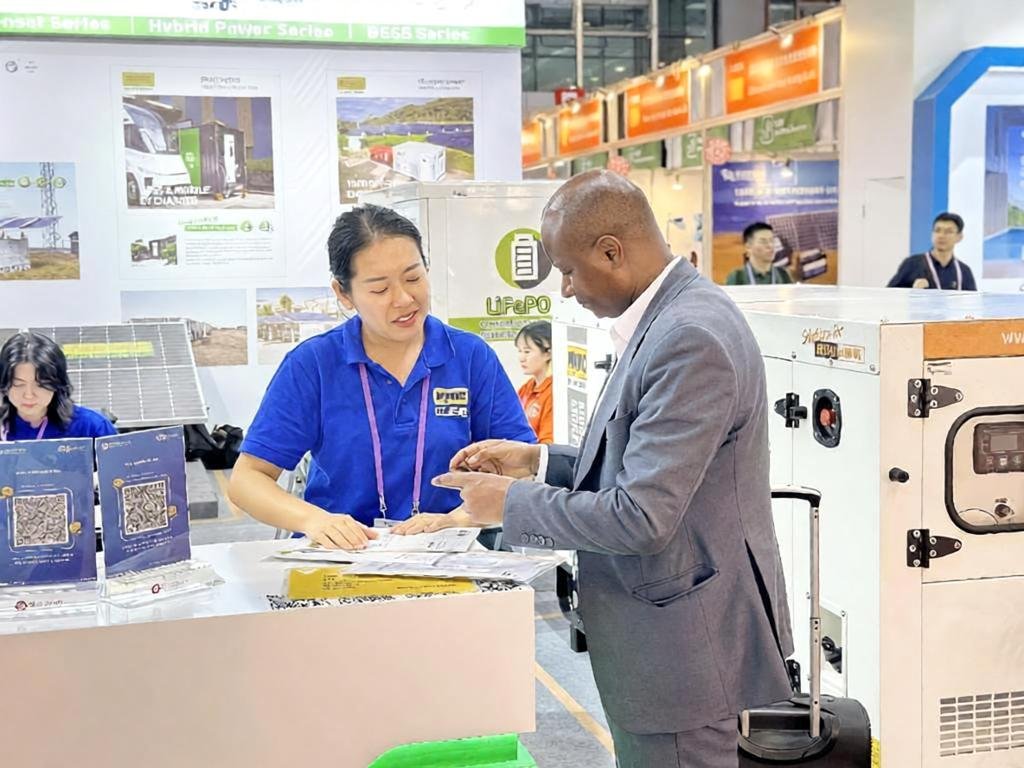
This is the most common trap. A slick booth with “factory direct” banners and professional product photography. The rep offers a “free factory visit” with a driver. Here’s the catch: the factory they show you isn’t theirs. They’re a trading company renting a factory floor for the day, or worse, showing you a partner factory and claiming ownership.
The real test? Ask to see the business license (营业执照) and check whether the business scope includes “manufacturing” or “production.” If the company name doesn’t match the booth name, or if they can’t produce a factory environmental assessment report or production permit, you’re likely dealing with a middleman. Don’t rely solely on the registered address—established manufacturers often register sales offices in downtown Tianhe or Haizhu for recruitment convenience, while actual production sits in suburban industrial parks. We learned this the hard way after chasing a “factory” that turned out to be a 200-square-meter office in Tianhe with zero production capacity.
The “Free” Factory Tour Trap
During Canton Fair season, hundreds of drivers wait outside the Pazhou Complex offering free rides to “our factory in Foshan.” The ride is free. But the destination? Often a showroom, not a production facility. Or it’s a real factory that pays the driver commission for every buyer delivered. Factory quality might be mediocre. The driver doesn’t care—they’re paid per head. Always arrange factory visits through your own research or verified trading partners. Never accept random solicitations at the exhibition exit.
Inflated “Fair Pricing”
Booth quotes at Canton Fair often carry a 15–30% premium over off-season pricing. Exhibitors know buyers are in decision-making mode, jet-lagged, and running on tight schedules. The psychology is brutal: “I’m already here, I need to lock something in.” Smart buyers never place orders based on booth quotes alone. They take the quote, then cross-check through the trading company cluster in Tianhe or Panyu during the days after the fair. Same product, same factory network, often significantly less when negotiated away from the exhibition pressure cooker.
Black Proxy Agents
New buyers—especially independent designers and small e-commerce sellers—get targeted by “agents” promising end-to-end sourcing for a flat fee. These operators often have no registered business, no office, no industry relationships. They collect your deposit, place a small portion of the order to show “progress,” then vanish. Red flags: refusal to sign a formal contract, insistence on payment to a personal account rather than a corporate account, and zero references from verifiable Western buyers.
How to Actually Use the Guangzhou Canton Fair ecosystem
Pre-Fair Intelligence (2–4 Weeks Before)
Don’t arrive cold. Use the Canton Fair exhibitor list to shortlist 20–30 suppliers in your product category. But here’s the key: cross-reference them on Alibaba, Global Sources, and Made-in-China. Strong online presence with verified video factory tours and transaction history? Likely legitimate. Only exists as a Canton Fair listing? Treat them as unverified.
Contact 5–10 trading companies based in Tianhe or Panyu directly. Tell them your product specs and target MOQ. A good trading company will pre-match you with 2–3 suitable factories before you even land in Guangzhou.
Hall Strategy (Days 1–2)
Use the exhibition for what it’s actually good at: product trend scanning and initial supplier contact. Spend no more than two days in the halls. For each promising booth, collect samples, photograph product tags (many factories use coded tags that reveal actual factory names), and note the booth number.
Ask direct questions: “Is this your factory, or are you a trading company?” “What’s your registered company name?” “Can I visit your production facility without a pre-arranged driver?” The way they answer tells you everything. Hesitation is a red flag.
Post-Hall Deep Dive (Days 3–5)
This is where the Guangzhou furniture industry ecosystem earns its keep. Move to the trading company cluster. Visit 3–5 offices in person. Bring your booth samples and quotes. A competent trading company will identify the actual factory source within hours, often at better pricing than the booth quote because they bypass the exhibition premium. They’ll also coordinate factory audits, sample production, and logistics consolidation. For buyers with orders under $30,000, this route is almost always more efficient than direct factory negotiation.
Factory Audit Protocol
Never audit a factory alone. Bring a trading company representative or hire a third-party inspector. The checklist is straightforward but non-negotiable: check production lines (not just showrooms), review quality control stations, verify export license documentation, inspect packaging standards. If a factory refuses to show you the production floor, walk away. No exceptions. We’ve seen buyers get talked into accepting a “showroom tour” as sufficient. It’s not.
Logistics Lock-In
Before you leave Guangzhou, confirm your logistics partner. The Huangpu and Nansha port ecosystem is mature, but documentation errors are common. A Guangzhou-based freight forwarder with furniture export experience will handle HS code classification, fumigation certificates for wooden furniture, and consolidated container loading. Don’t delegate this to a factory unless they have a proven export track record with your destination country.

FAQ: What Buyers Actually Ask
Q: Is it cheaper to source at Canton Fair than visiting factories off-season?
A: Not really. Booth pricing usually includes a 15–30% exhibition premium. The real savings come from the ecosystem’s competitive pressure—multiple trading companies bidding for your order, and the ability to compare 20+ suppliers in three days. For price-sensitive buyers, the value is comparison efficiency, not necessarily the lowest unit price.
Q: Can I find complete furniture supply chain coverage just by attending Canton Fair?
A: No way. Canton Fair furniture halls cover finished furniture, some lighting, and limited hardware. For raw materials, specialized components, or packaging services, you’ll need to extend your trip to surrounding industrial zones—Shunde for upholstery materials, Dongguan for metal hardware, or the Zhongshan lighting cluster. Guangzhou’s ecosystem connects you to these, but the fair itself is only the entry point.
Q: Are Guangzhou trading companies better than going direct to Foshan factories for small orders?
A: For orders under 50 pieces per SKU, almost always. Foshan factories optimize for volume. Their cost structure assumes container-load orders. A trading company in Guangzhou consolidates orders from multiple buyers to meet factory MOQs, then handles the logistics layer. You pay a 5–10% margin to the trading company, but you avoid the factory’s high MOQ, communication friction, and self-managed export complexity. For orders above $100,000, direct factory negotiation becomes more cost-effective.
Your Next Step
If you’re planning a Canton Fair furniture sourcing trip, don’t treat it as a shopping expedition. Treat it as an ecosystem engagement. The buyers who win in Guangzhou aren’t the ones with the biggest budgets. They’re the ones who understand that the exhibition hall is just the lobby.
Question for You: What’s the biggest surprise you encountered during your first Canton Fair visit? Drop your story in the comments—your experience might save another buyer from the same trap.
Recommended Resource
Interi Furniture specializes in custom furniture manufacturing for residential, hospitality, and commercial projects. Their experience in materials, craftsmanship, and project realization makes them a valuable resource for designers and buyers seeking tailored furniture solutions from China.