








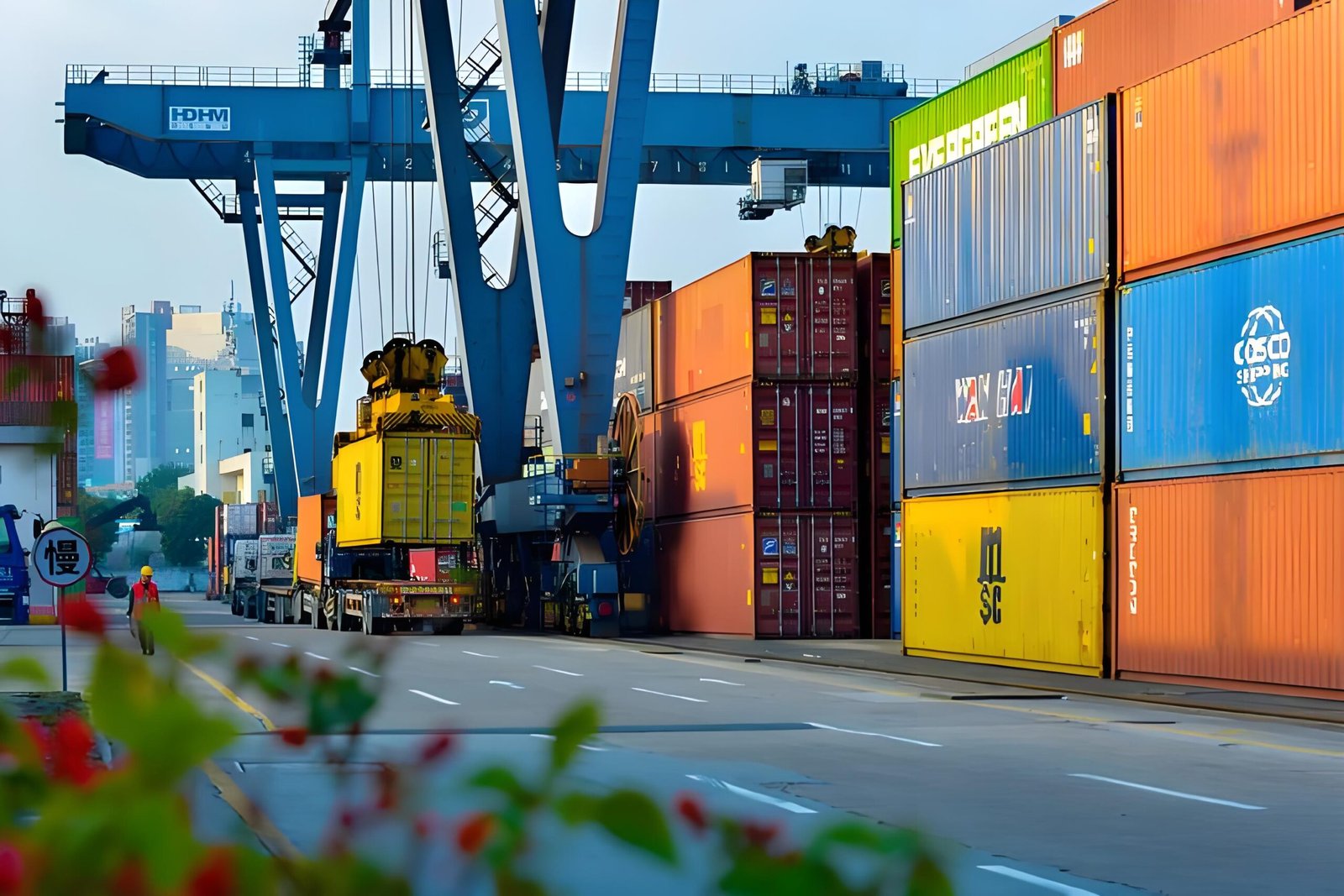
China furniture export figures for the first four months of 2026 tell a story most buyers are misreading. The General Administration of Customs (GAC) recorded USD 21.96 billion in furniture and parts exports through April—up just 1.2% year-on-year in dollar terms. April alone slipped 3.6% to USD 5.57 billion. A separate RMB-denominated reconstruction by Furniture Today put Q1 at CNY 119.62 billion, up 0.8%, with March collapsing 35.1% on Spring Festival calendar distortion.
These numbers do not point to a demand boom. They point to something far more consequential for anyone running procurement budgets.
The Headline Trap: Value Is Not Volume
Buyers scanning trade headlines see “exports up” and assume factories are shipping more containers. That assumption is wrong.
National trade data for April 2026 showed export values rising 14.1% while freight tonnage actually fell 1.5%. The gap between those two numbers is pure price inflation. Applied to furniture, this means the 1.2% nominal growth in export data is overwhelmingly a unit-price story—not a volume story.
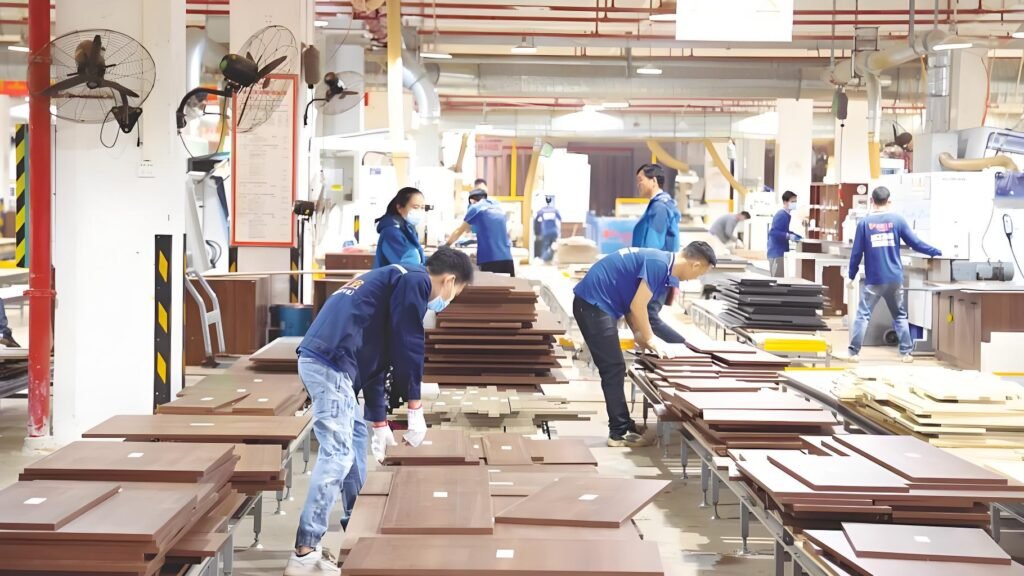
We spent March and April walking through 23 factories across Guangdong, Zhejiang, and Fujian. The picture on the ground looks nothing like the headline.
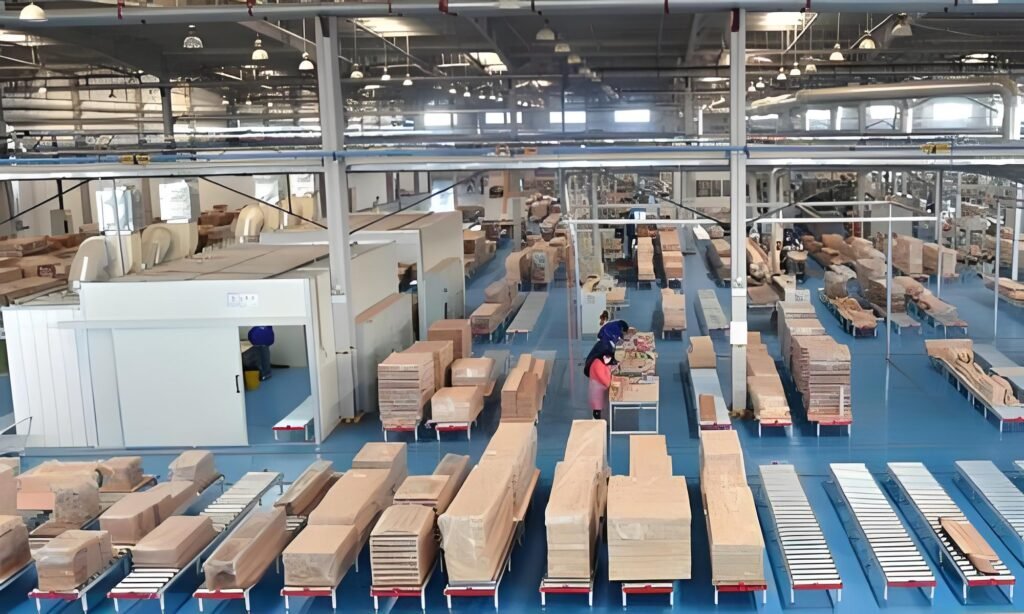
Truth 1: Factories Raised Prices, Not Production
The biggest blind spot among procurement teams? Treating dollar-value growth as proof of demand recovery. It is not. It is cost-push inflation finally hitting export price tags.
Among the 16 upholstered furniture factories we surveyed in the Pearl River Delta and Yangtze River Delta:
•11 pushed export unit prices up 8%–15% year-on-year.
•Only six saw order volume growth above 3%.
•Five reported flat or declining volumes.
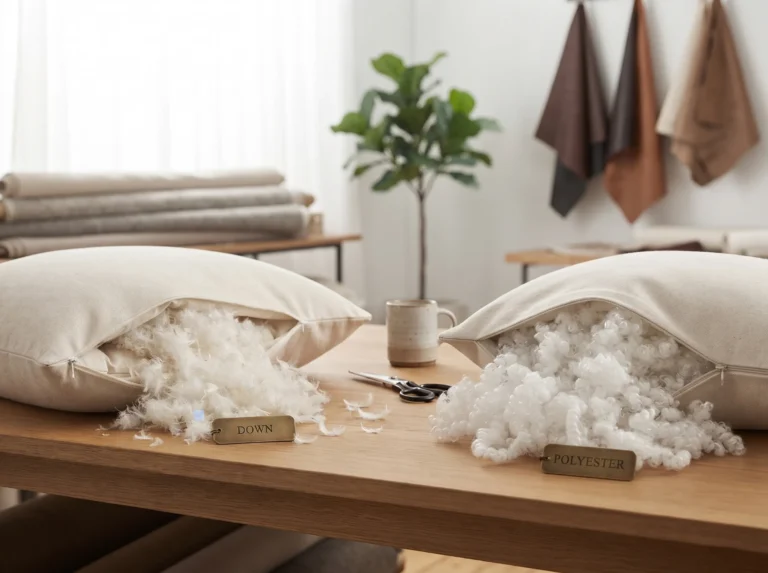
Sponge foam and TDI prices jumped over 30% after March 2026 supply disruptions. Fabric and leather inputs ran 12%–18% above 2025 averages. A factory owner in Foshan’s Longjiang district—20 years in the export business—put it plainly: “We hiked FOB prices 11% this year. European buyers swallowed it because every other factory did the same. But the actual SKU count they ordered barely budged.”
General trade, which captures full cost reflection without processing-trade buffers, accounted for 60.2% of total trade and grew 11.3% YoY. That structure means every raw-material increase flows straight into the furniture trade statistics you see on paper.
Truth 2: Categories Are Moving in Opposite Directions
The 1.2% aggregate growth is a mathematical smoothing of a deeply split market. Here is what 2026 furniture export trends actually look like by segment:
| Category | Jan–Apr 2026 Direction | What Is Driving It |
|---|---|---|
| Outdoor furniture (aluminum, rattan, loungers) | +12% to +18% value | Resort renovation cycles, post-pandemic outdoor living stickiness |
| Smart furniture (motorized desks, IoT beds) | +22% to +28% value | Tech integration, premium pricing power |
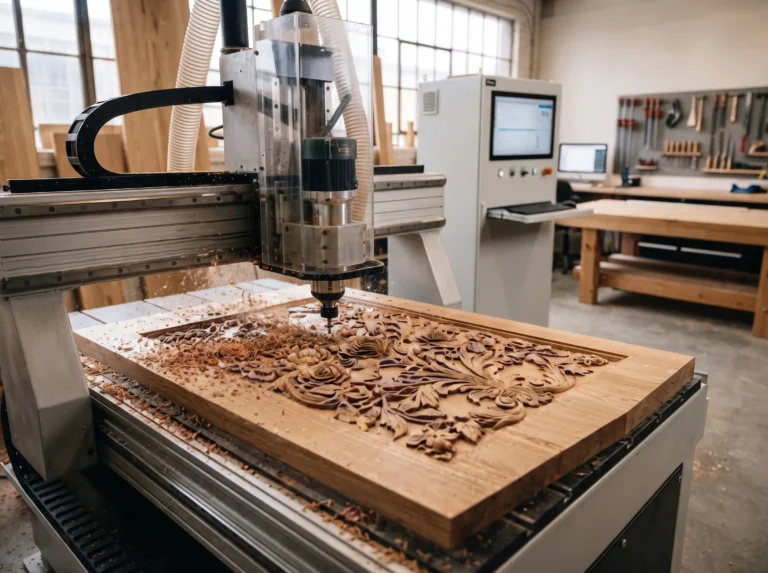
| High-end custom solid wood / veneer | +8% to +14% value | Design differentiation, lower price sensitivity |
| Traditional flat-pack panel furniture | -3% to -7% value | Oversupply, margin compression, buyers shifting to Vietnam |
| Mid-to-low-end solid wood | -5% to -10% value | Raw material squeeze, inability to pass costs through |
| Standard mattresses (non-smart) | Flat to -4% | ASEAN capacity competition, tariff arbitrage |
Three mid-scale panel factories in Dongguan told us they were running at 20%–30% capacity in Q1. One had already pivoted to domestic e-commerce. Another was liquidating inventory. The third was negotiating a fire-sale acquisition by a larger competitor.
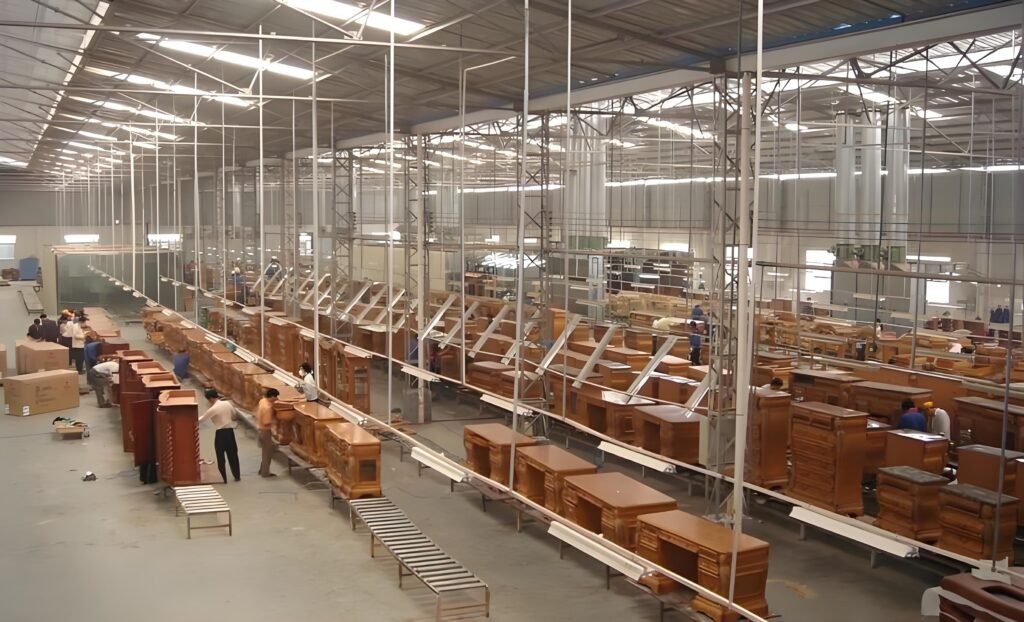
Truth 3: The Map Is Being Redrawn
The China furniture trade outlook is no longer about the US and Western Europe as default destinations. Those markets are still large, but they are no longer growing.
The most recent detailed breakdown (2025 H1) showed:
•North America at 26.01% of furniture exports, with the US market alone shrinking -14.60% YoY.
•Asia at 34.29%, already the largest regional bloc.
•Europe at 24.45%, with Germany and the UK up modestly but Australia down -13.79%.
By April 2026, national-level data showed ASEAN exports surging 24.3% YoY. The US share of total Chinese exports has compressed to roughly 10.4%, down from nearly 20% in prior years.
But here is what customs data misses: the “China production + Southeast Asian re-export” pipeline. Traders in Shenzhen and Ningbo confirmed that a growing share of furniture orders now clears through Ho Chi Minh City or Port Klang for final assembly and origin labeling. Yet the bill of materials tells the real story—melamine board from Shandong, hardware from Foshan, foam from Zhejiang, fabric from Guangzhou. Bilateral trade statistics understate Chinese supply chain capture by a wide margin.
Truth 4: Small Buyers Are Getting Squeezed Out
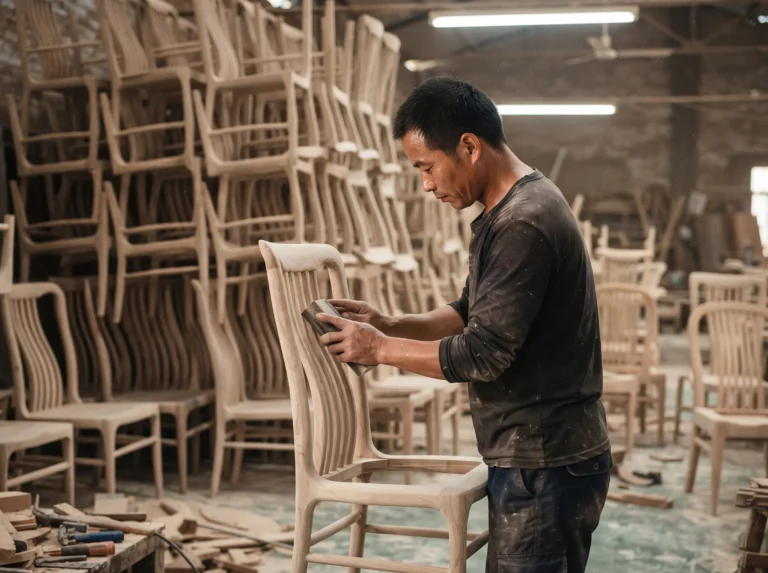
Walk through Foshan’s Shunde district today and you will notice the empty workshops. Four export-oriented factories we tracked shut down or went domestic-only between January and April 2026. The ones still standing are getting bigger—and choosier.
Our survey found:
•7 of 23 factories now reject orders below USD 50,000 per SKU. Administrative and compliance costs eat the margin on anything smaller.
•A Ningbo outdoor furniture exporter doing over USD 80 million annually told us: “We used to fill 20-foot containers. Now we do not talk below 40-foot equivalents, and we only prioritize clients who sign 12-month framework agreements.”
Three forces are driving this:
1.Environmental enforcement: Guangdong’s 2026 VOC upgrade for furniture coating forced small workshops to spend CNY 300,000–800,000 on scrubbers or close.
2.Certification walls: FSC, CARB P2, and EU REACH now require full-time compliance staff. Micro-factories cannot carry that overhead.
3.Credit contraction: Banks have tightened lending to sub-scale manufacturers just as raw material pre-payment demands increased.
The result? Furniture sourcing China 2026 is becoming a game for large buyers with long-term commitments. Spot buyers and small-order importers are watching their supplier base evaporate.
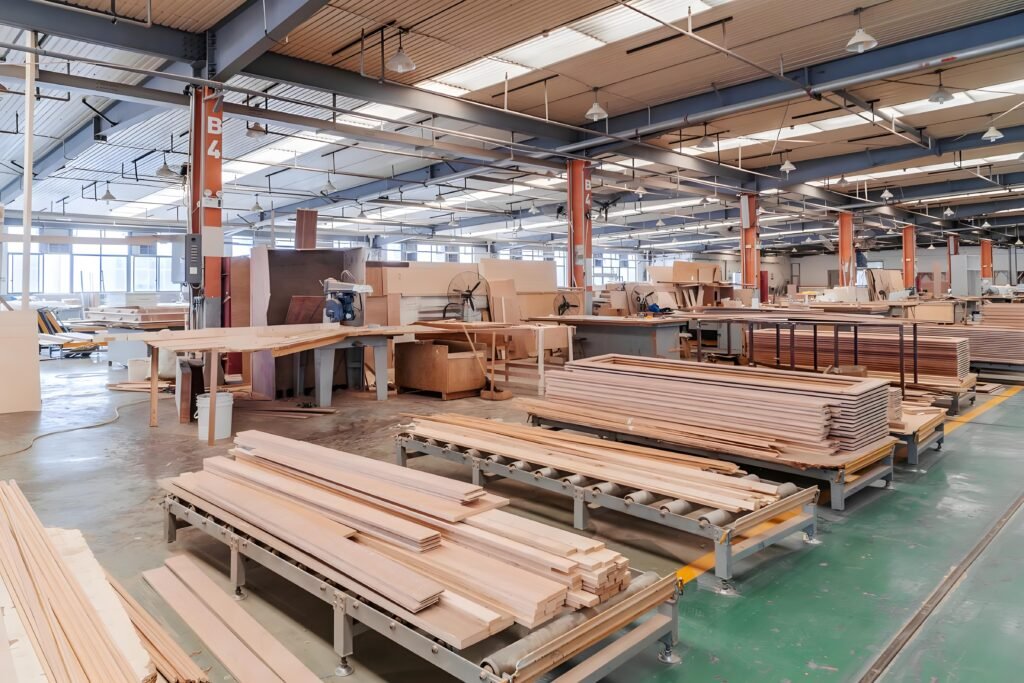
Truth 5: Compliance Is Now a Line Item, Not a Checkbox
For buyers still treating certifications as a supplier-side formality, the bill is coming due. Here is the compliance landscape for furniture sourcing China 2026:
| Requirement | Where It Was in 2025 | Where It Is Now | Risk for Low-Cost Factories |
|---|---|---|---|
| EU carbon footprint docs (CBAM precursor) | Mostly voluntary | Mandatory for B2B tenders | High—needs traceability systems |
| US EPA/CARB formaldehyde (composite wood) | Tier 2 enforcement | Tier 3 spot checks up 40% | Medium—USD 2,000–5,000 per shipment test |
| UK fire safety (upholstery) | Self-certification dominant | Trading Standards enforcement ramping | High—rework if foam non-compliant |
| EUDR timber traceability | Grace period | Full compliance for large operators | Critical—small factories lack GPS-georeferenced sourcing |
A Yiwu trader gave us a sobering example. In March 2026, a USD 45,000 sofa shipment from a Zhejiang factory sat at Rotterdam for 17 days because FSC chain-of-custody paperwork was incomplete. Demurrage and testing topped USD 8,000—enough to wipe out the factory’s margin and blow the buyer’s seasonal launch window.
That is not an exception. That is the new baseline.
The Numbers in Context: 2024 Through 2026
| Indicator | 2024 Jan–Apr | 2025 Jan–Apr | 2026 Jan–Apr | Notes |
|---|---|---|---|---|
| Total export value (USD bn) | ~20.8 | ~21.7 | 21.96 | GAC broad口径; +1.2% YoY |
| Estimated export volume | Baseline 100 | ~102 | ~100–101 | Flat to slightly negative; inferred from value/price divergence |
| Average unit price change | Stable | +3% to +5% | +6% to +9% | Material, labor, compliance pass-through |
| Outdoor furniture value growth | +8% | +10% | +14% | Premium segment resilience |
| Panel furniture value growth | -2% | -5% | -5% to -7% | Capacity migration to Vietnam/Indonesia |
| Top 3 market share (US, UK, Japan) | ~33% | ~32% | ~29% | Dilution to ASEAN, Middle East, LatAm |
| ASEAN market growth | +12% | +16% | +24% | Fastest-expanding corridor |
Sources: China Customs GAC; Furniture Today FTCFE reconstruction; CEIC; author survey. 2024 figures inferred from annual trends and quarterly reports.
Three Stories from the Factory Floor
Case 1: The Hangzhou Outdoor Factory That Grew by Raising Prices
A CNY 600-million outdoor furniture exporter near Hangzhou posted 18% export value growth in Q1 2026. Container count? Up 3%. The rest came from a 12% unit price hike (aluminum tube +15%, powder-coating +8%) and a deliberate move from standard loungers to higher-spec modular sets with LED integration and quick-dry foam.
The general manager did not mince words: “We are killing low-margin volume to protect margin. Buyers who want last year’s price get forwarded to our Vietnam partner—same design, lower spec, 60-day lead time.”
Case 2: The Dongguan Factory That Lost America and Found China
A 15-year-old rubberwood dining set specialist in Dongguan saw export orders drop 22% in Q1. Its core US retail buyer moved 40% of volume to a Vietnamese competitor. The factory’s response: pivot to domestic high-end custom solid wood for villas and boutique hotels, and cut export staff from 12 to 4.
The owner explained the math: “Export terms are 60–90 days. Domestic projects pay 30% deposit, 65% before delivery. Cash flow is better even if the volumes are smaller.”
Case 3: The Shenzhen Trader Playing the Vietnam Card
A Shenzhen trading house moving USD 30 million in furniture annually revealed that 35% of 2026 orders now route through Ho Chi Minh City for “final assembly and origin labeling.” But the BOM does not lie: board from Shandong, hardware from Foshan, foam from Zhejiang, fabric from Guangzhou. Vietnam adds frame assembly, local cushioning, and a new certificate.
The trader’s verdict: “The paper says Made in Vietnam. The value is still 70% Chinese. Call it what you want—this is tariff engineering, not decoupling.”
What This Means for Your Procurement
Three shifts are now unavoidable:
1. The low-cost era is over.
6%–9% unit price increases are not commodity blips. They reflect structural resets in environmental compliance, labor, and raw materials. Buyers still benchmarking against 2024 prices will find their supplier pool drying up fast.
2. Small orders are becoming expensive.
Factory MOQs are climbing. Small workshops are closing. If you are buying less than a container, expect longer lead times, higher per-unit costs, and shrinking leverage at the negotiating table.
3. Compliance risk is now a freight-class cost.
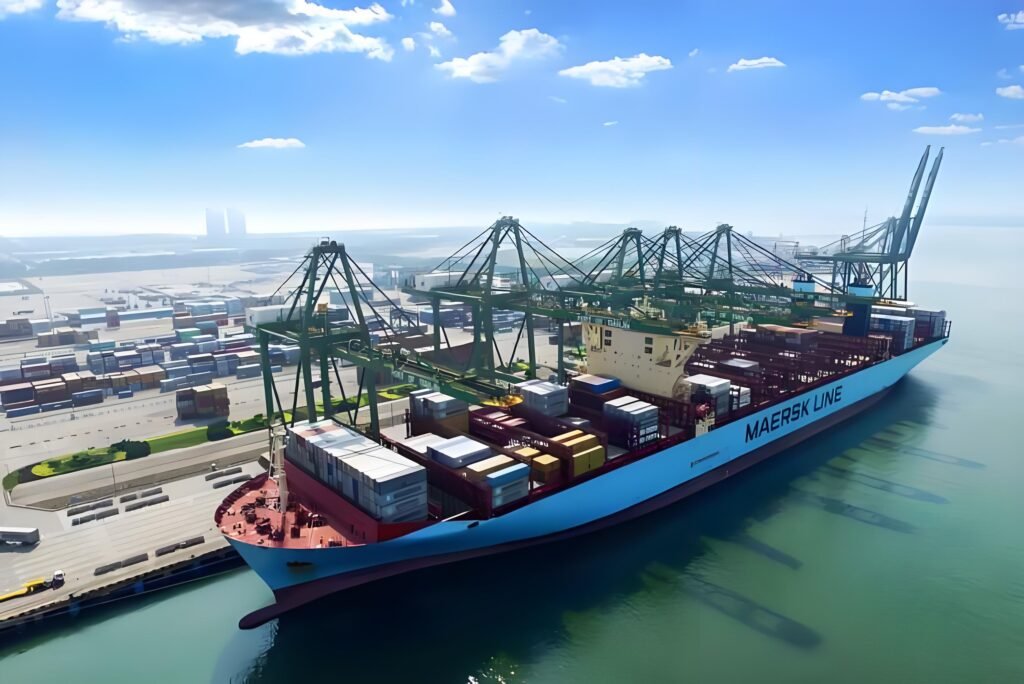
Port detentions, rework, and testing expenses from bad documentation now rival freight volatility. Treating compliance as a supplier-side afterthought means absorbing hidden liabilities directly into your P&L.
Four Moves to Make Before Q4 2026
Recalibrate category bets.
Shift volume toward outdoor, smart furniture, and high-end custom—categories where Chinese factories still hold pricing power and innovation capacity. Reduce exposure to commoditized panel and mid-range solid wood unless your cost model is genuinely non-critical.
Lock in frameworks, not spot orders.
Concentrate 60%–70% of category spend with two or three verified factories. Offer rolling 12-month forecasts in exchange for price stability and priority scheduling. At above-threshold factories, this is increasingly the only way to secure capacity.
Budget compliance as a cost center.
Add 3%–5% contingency for certification, testing, and documentation. Require chain-of-custody and emission-test paperwork before production starts—not with the Bill of Lading.
Question Vietnam origin claims at the BOM level.
For products where Chinese components dominate value, direct China sourcing may deliver better total landed cost and shorter real lead times once assembly and re-export delays are factored in.
Where This Is Heading: Three Trajectories
| Trajectory | Probability | What to Do About It |
|---|---|---|
| Unit prices keep climbing 6%–10% annually | High | Lock annual frameworks now; avoid spot-market sourcing |
| Top 10% of factories capture 50%+ of export share | High | Qualify and audit large factories early; build direct relationships |
| Regulatory standards fragment (EUDR, EPA Tier 3, UK fire safety diverging) | Medium-High | Build multi-standard compliance infrastructure; avoid suppliers dependent on a single market |

FAQ: What Buyers Keep Asking
Is Chinese furniture getting cheaper because exports are rising?
No. Value is up 1.2%, but volume is flat to slightly negative. Unit prices rose 6%–9%. The “cheap China” narrative is dead.
Should I move everything to Vietnam to avoid tariffs?
Not automatically. Many “Vietnam” furniture exports contain 60%–70% Chinese value in boards, hardware, and fabrics. Check the BOM, not just the certificate. Tariff engineering carries its own regulatory risk.
Can I still work with small Chinese factories?
Selectively. Environmental and compliance costs are accelerating exits. The small factories still standing in 2026 usually occupy niche craft or hyper-custom segments. For volume production, scale factories offer better risk-adjusted value.
Which categories will hold price stability best?
Outdoor, smart/motorized, and high-end custom. These segments have design differentiation and lower direct competition from Southeast Asia. Commoditized panel and standard mattress segments face continued pressure.
How should I adjust procurement timelines?
Extend planning from 3–4 months to 6–8 months. Secure Q3/Q4 2026 capacity by July. Build compliance documentation review into the 30-day pre-production window, not the post-shipment scramble.
Recommended Resource
Interi Furniture specializes in custom furniture manufacturing for residential, hospitality, and commercial projects. Their experience in materials, craftsmanship, and project realization makes them a valuable resource for designers and buyers seeking tailored furniture solutions from China.