




Most overseas buyers fly straight to Foshan when they need mattresses from China. Here’s what they miss: Foshan Longjiang mattress factories don’t actually make the springs inside those beds. The real engine of China sleep manufacturing cities sits 1,200 kilometers north in Nantong, while the fabrics, zippers, and edge bindings come from Wenzhou. Together, these three cities form a manufacturing triangle that quietly controls global sleep supply chains. Understanding how they split the work — and more importantly, why they depend on each other — is the difference between overpaying for a middleman markup and sourcing like someone who actually knows the industry.
We have walked factory floors in all three cities. We’ve seen the same springs made in Nantong shipped south to Foshan, then packed into containers bound for Houston, Hamburg, and Sydney. We’ve watched Wenzhou suppliers load trucks with knitted fabrics at 6 a.m., knowing those rolls will cover mattresses that sell for ten times the fabric cost in European showrooms. This article breaks down what each city actually does, where the real value sits, and how to match your sourcing needs to the right place in the triangle.
The Triangle Nobody Talks About
If you Google “mattress factory China,” every result points you to Foshan. That’s not wrong — it’s just incomplete. Foshan Longjiang mattress production accounts for roughly 35-40% of China’s total mattress export volume by our estimates, based on customs data patterns and factory capacity surveys we’ve tracked since 2019. But here’s the part nobody puts on their Alibaba page: the pocket coil units, the Bonnell springs, the high-carbon steel wire — none of it originates in Foshan.
The springs come from Nantong mattress hub, specifically the Haimen and Rugao districts. Nantong produces an estimated 60% of China’s mattress spring systems, according to industry association figures and our own supplier mapping. The fabrics, fire-retardant ticking, handles, and zipper tapes? Those flow out of Wenzhou’s Pingyang and Cangnan counties. So when you buy a “Foshan mattress,” you’re really buying a Foshan assembly — a final product stitched together from components made across three provinces.
This isn’t a flaw. It’s the reason Chinese mattress manufacturing is so cost-competitive. Each city specializes in what it does best, and the logistics network between them — highway, rail, and the Yangtze River waterway — moves components fast enough that a Foshan factory can hold minimal inventory and still fulfill orders in 25-35 days.
Foshan: The Face Everyone Recognizes
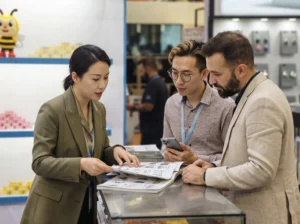
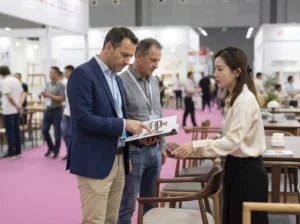
Walk down any street in Longjiang, Shunde District, and you’ll see why Foshan dominates the global image of China sleep industry. Showrooms stack five stories high. Salespeople hand you business cards in four languages. The district hosts over 3,000 furniture-related enterprises, and mattresses are a major slice of that pie.
Foshan’s real strength isn’t vertical integration — it’s customer-facing capability. These factories know how to package, brand, and export. They understand Western fire standards (CFR 1633, BS 7177), they can produce custom labels and hangtags, and they’ve built relationships with freight forwarders who know exactly how to load a container of compressed roll-packed mattresses without damaging the product.
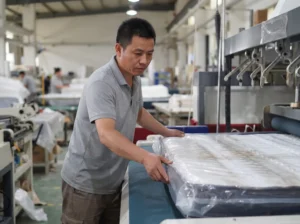
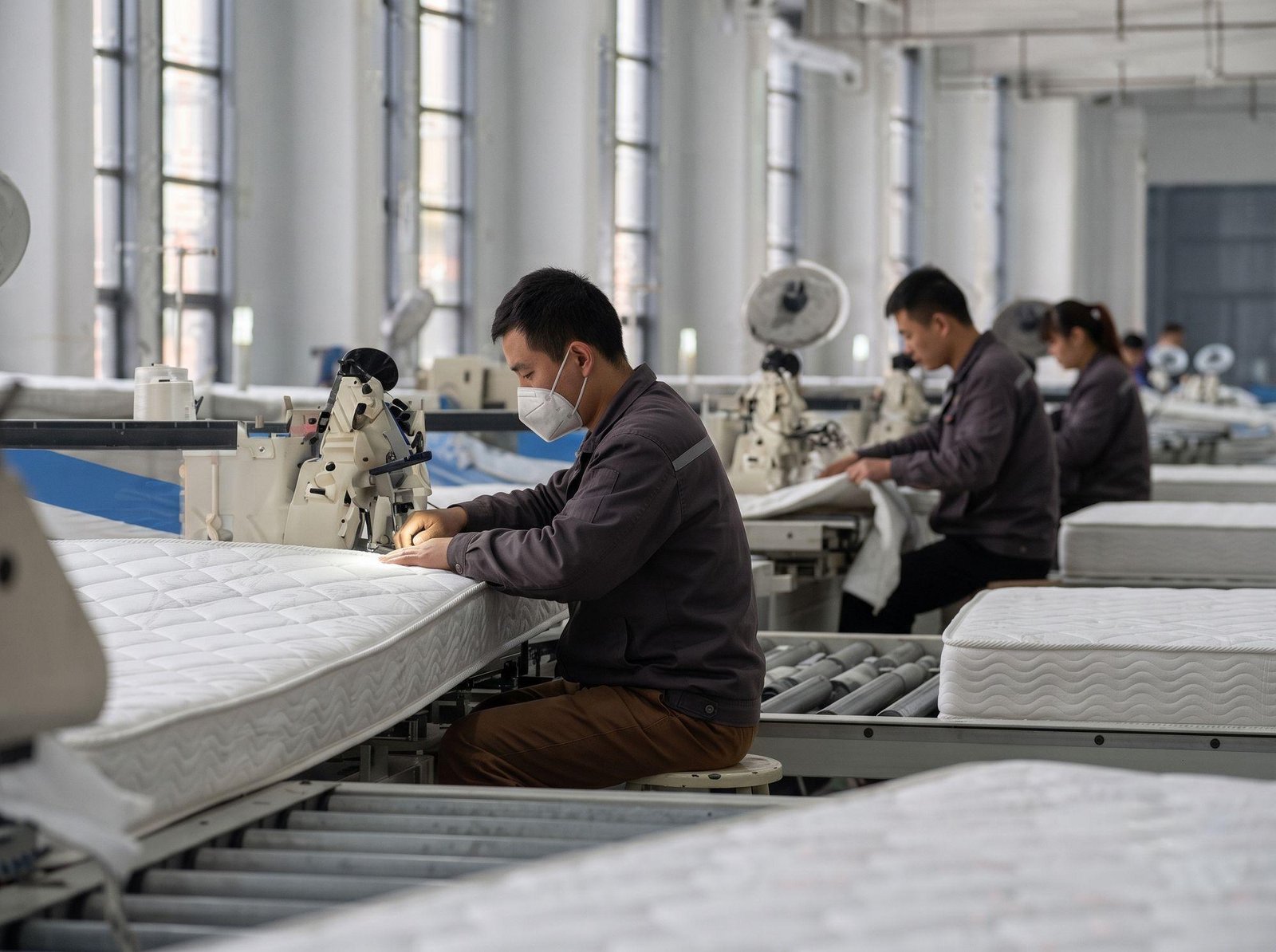
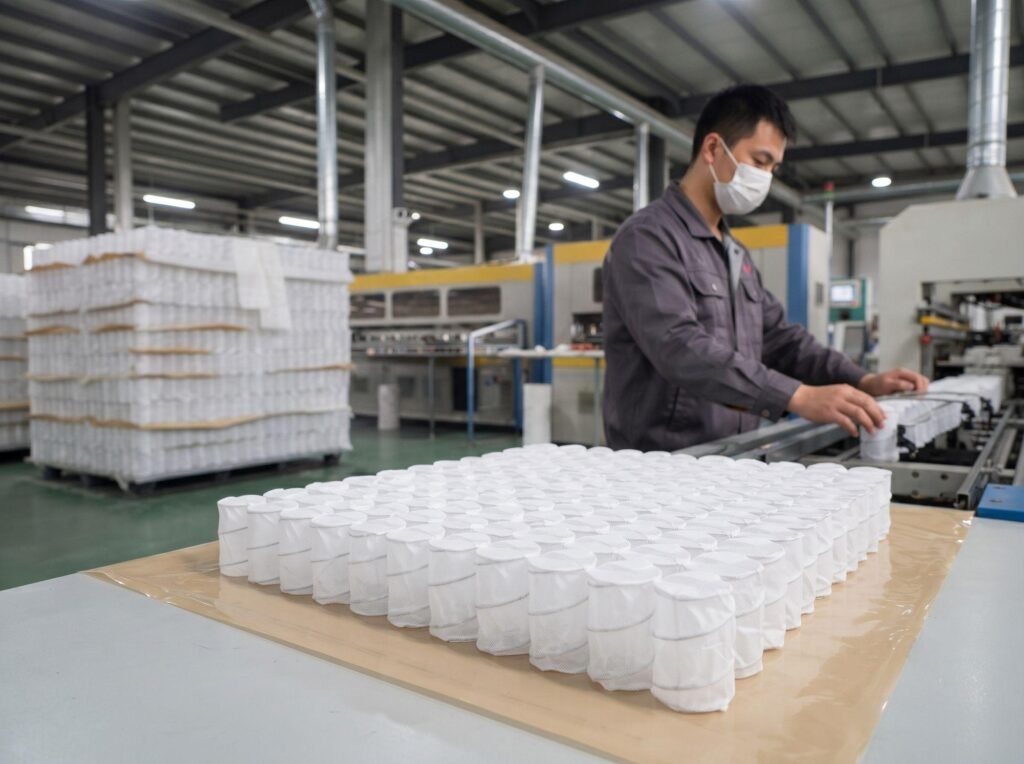
What Foshan does best is the last mile of manufacturing: quilting the top panel, attaching the border, sewing the handles, compressing and rolling for e-commerce-friendly shipping. If you’re an Amazon seller or a hotel project buyer who needs finished goods with proper documentation and packaging, Foshan is where you close the deal.
But here’s the catch: Foshan factories rarely make their own springs. Some of the larger ones have in-house spring workshops, but even those typically source wire from Nantong or import it. The smaller factories — and there are hundreds of them — buy pre-made coil units from trading companies who source in Nantong. That means when you negotiate with a Foshan factory, you’re often negotiating with an assembler, not a full manufacturer. The price they quote includes their margin, plus the margin of whoever sold them the springs, plus the margin of whoever sold them the fabric.
Nantong: The Engine Room Nobody Sees
Most buyers never visit Nantong. It’s a two-hour drive from Shanghai Pudong Airport, but there’s no furniture showroom district, no glittering exhibition halls. What Nantong has is factories that make the things inside mattresses that actually determine how long they last.
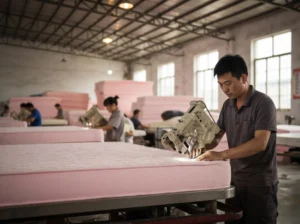
The Haimen district alone hosts dozens of spring manufacturers, from massive operations producing millions of pocket coils per month to smaller shops that custom-build spring units for specific firmness profiles. Rugao, meanwhile, has become a center for mattress machinery and foam production. If a Foshan factory wants to upgrade its quilting machine or source high-density memory foam, they often look north before looking anywhere else.
The Nantong mattress hub operates on a completely different business model than Foshan. These factories don’t sell to end consumers. They don’t have English-speaking sales teams standing by to answer Alibaba inquiries. They sell B2B, in volume, to the assemblers down south. A typical Nantong spring factory’s customer list reads like a directory of Foshan mattress brands.
This creates an interesting dynamic for overseas buyers. If you’re importing 500+ mattresses per month and you want to cut out a layer of margin, sourcing your springs directly from Nantong and your assembly from Foshan can save 8-15% on unit cost. But it also adds complexity: you now need to coordinate two suppliers, manage two quality control processes, and ensure the spring specs match the assembly capabilities. For most small to mid-size buyers, that complexity isn’t worth the savings. For large-scale importers, it’s standard practice.
Wenzhou: The Silent Supplier
Wenzhou doesn’t make headlines in the mattress world. Ask a European buyer where mattress fabrics come from, and they’ll probably guess Guangdong or Zhejiang broadly. But the specific cluster in Pingyang and Cangnan — that’s where a surprising amount of the global supply originates.
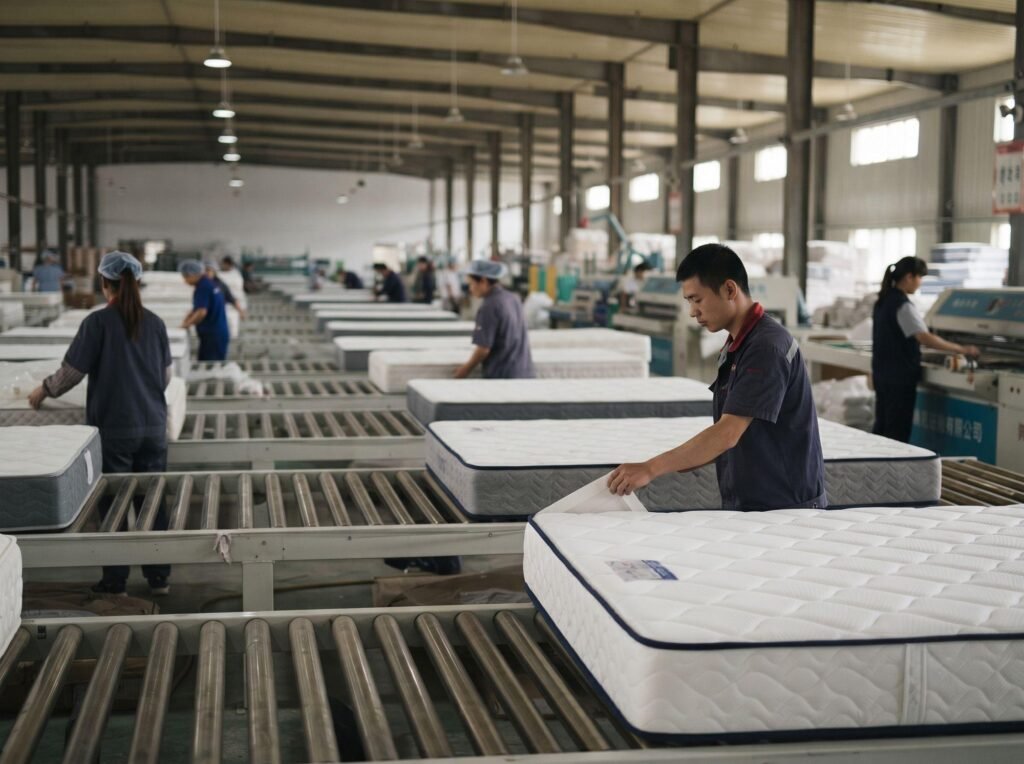
Wenzhou’s factories specialize in the “soft goods” of mattress production: knitted ticking, woven jacquard fabrics, quilted borders, zipper tapes, handles, and even the small tags that list material contents. These aren’t high-tech products, but they’re essential, and Wenzhou manufacturers have spent two decades optimizing for cost, speed, and minimum order flexibility.
A Wenzhou bed factory in this context isn’t making complete beds. It’s making the components that let someone else make complete beds. The typical Wenzhou fabric supplier can turn around a custom color or pattern in 10-15 days, with MOQs as low as 500 meters for standard knits. That responsiveness is what allows Foshan assemblers to offer “custom design” services to overseas buyers without holding massive fabric inventories.
There’s also a lesser-known angle: Wenzhou suppliers increasingly produce functional fabrics — cooling gel-infused knits, bamboo-charcoal treated ticking, phase-change materials. These aren’t commodity products, and the factories developing them are charging premium prices that would surprise buyers used to thinking of Chinese mattress components as purely low-cost.
The Truth Most Buyers Miss
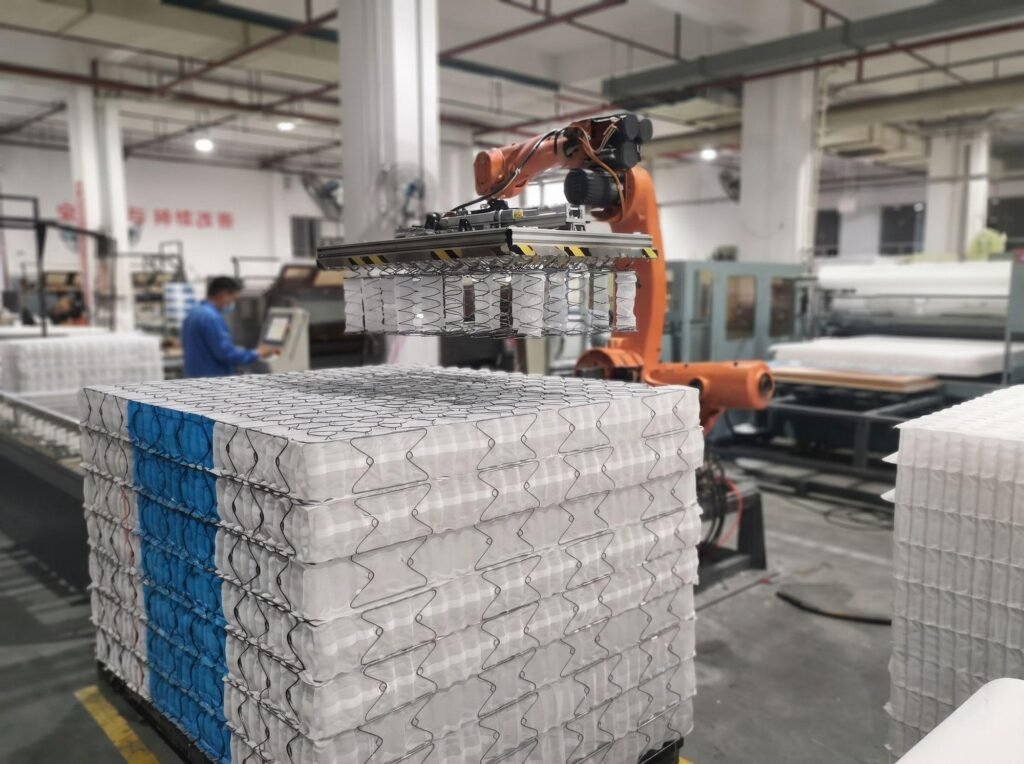
Here’s something we see repeatedly: a buyer visits Foshan, picks a factory based on showroom quality, signs a contract, and assumes they’re getting factory-direct pricing. In reality, that Foshan factory may be outsourcing the springs, the fabric, and even the foam. The “factory” is really a project manager — and you’re paying for that management layer whether you realize it or not.
This isn’t necessarily bad. If the factory manages quality well and delivers on time, the markup is fair compensation for coordination. But buyers should know what they’re actually buying. Ask your Foshan supplier: “Do you make the springs in-house? Where does your fabric come from? What’s your foam density and who manufactures it?” If they dodge these questions or give vague answers, that’s a red flag.
The second truth: lead times quoted by Foshan factories often depend on component availability from Nantong and Wenzhou. During peak season — typically March through May and September through November — spring and fabric suppliers run at capacity. A Foshan factory might promise 30 days, but if their Nantong spring supplier is backlogged, your order slips. We’ve seen this happen enough times that we now advise buyers to confirm component lead times separately, not just the final assembly timeline.
How the Three Cities Compare
| Factor | Foshan (Longjiang) | Nantong (Haimen/Rugao) | Wenzhou (Pingyang/Cangnan) |
|---|---|---|---|
| Core Strength | Final assembly, export packaging, branding | Spring systems, mattress machinery, foam | Fabrics, ticking, handles, hardware |
| Typical Buyer | Hotel projects, Amazon sellers, DTC brands | Large-scale importers, mattress brands | Fabric wholesalers, Foshan factories |
| MOQ Flexibility | High — many accept 50-100 units | Low for standard springs; high for custom | Very high — 500m fabric MOQ common |
| English Support | Strong — dedicated export sales teams | Limited — mostly Chinese-speaking | Moderate — some have export desks |
| Price Position | Highest (includes assembly + margin) | Mid-range (component pricing) | Lowest (raw material/component) |
| Best For | Finished goods, fast turnaround, small orders | Volume buyers, custom spring specs, cost reduction | Fabric customization, component sourcing |
| Lead Time Risk | Moderate (depends on upstream supply) | Low for standard items; high for custom | Low for stock colors; moderate for custom |
Matching Your Needs to the Right City
So where should you actually source? It depends on what you’re trying to build.
If you’re a hotel developer furnishing 200 rooms and you need fire-certified mattresses with custom labels, delivered to a warehouse in Los Angeles — go to Foshan. The margin you pay covers the headache of coordination, and these factories have done this exact job a thousand times. Don’t try to disaggregate the supply chain unless you have a full-time QC person in China.
If you’re a mattress brand importing 1,000+ units monthly and your core product is a specific spring configuration — say, a zoned pocket coil with latex topping — then Nantong deserves a visit. You can source the spring unit directly, specify your foam layers, and have everything shipped to a Foshan assembler for final quilting and packaging. The savings add up fast at volume, but you need someone on the ground managing the handoffs.
If you’re developing a DTC mattress brand and your differentiation is fabric — cooling technology, organic cotton covers, antimicrobial treatment — Wenzhou is where that story starts. You can source custom fabrics and have them shipped to any assembler. Just know that fabric is only 5-8% of a mattress’s total cost, so even a premium fabric upgrade won’t dramatically change your landed cost.
For individual buyers or small importers ordering under 100 units: stick to Foshan. The convenience outweighs any potential savings from disaggregating the supply chain. We’ve seen too many small buyers get lost in the complexity of multi-city coordination and end up with delayed shipments or mismatched components.
The Hidden Risk in This Supply Chain
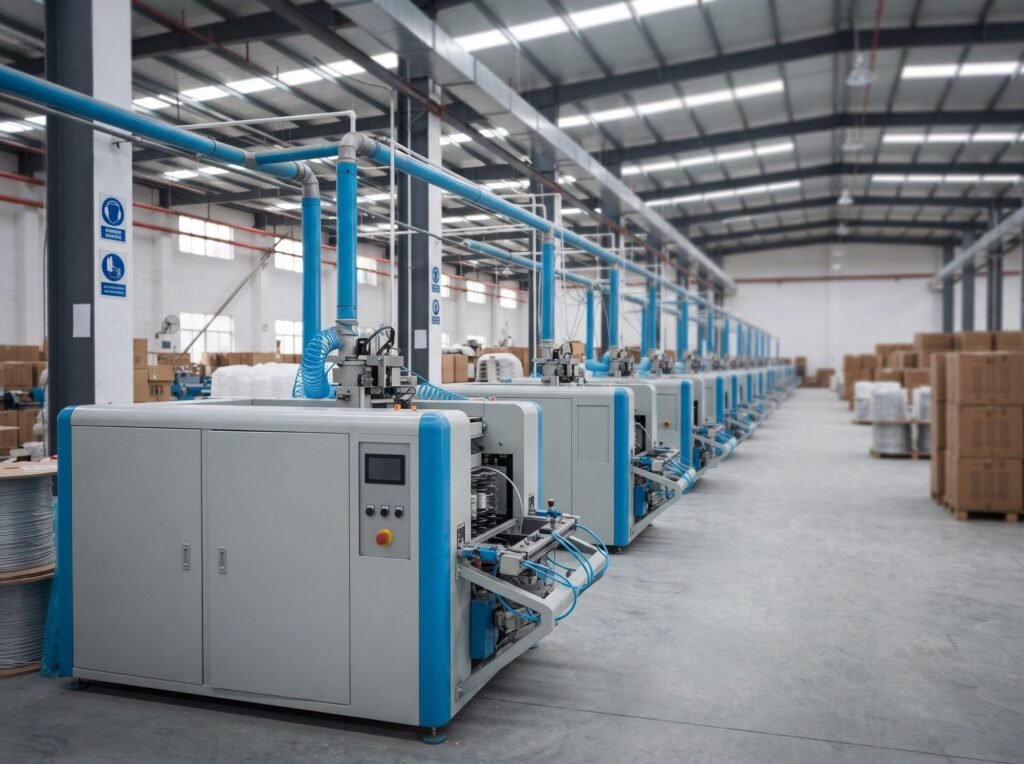
The triangle model has a vulnerability that most buyers don’t consider: concentration risk. When three cities control this much of the global supply, any disruption in one node ripples through the entire system.
During the 2022 Shanghai lockdown, Nantong spring factories couldn’t ship components south for nearly six weeks. Foshan assemblers who relied on just-in-time spring deliveries saw production halt. Some missed delivery deadlines by months. Buyers who had assumed “my factory is in Foshan, so my supply chain is geographically diversified” learned the hard way that their components were still locked in a single region.
The lesson: ask your Foshan supplier not just about their factory, but about their component suppliers. Where do the springs come from? Where’s the fabric milled? How many backup suppliers do they have for each critical component? A factory that can’t answer these questions clearly is one that hasn’t thought through its own risk management — and that’s a risk to you.
Another risk: quality inconsistency when components come from multiple uncertified sources. We’ve inspected Foshan mattresses that used springs from three different Nantong suppliers within the same production batch, because the primary supplier ran short. The firmness varied noticeably. If your brand promises a specific sleep experience, that kind of variability can generate returns and bad reviews that cost far more than whatever you saved on the front end.
The Bottom Line
China mattress manufacturing cities don’t compete with each other — they collaborate in a division of labor that has made Chinese mattresses dominant in global trade. Foshan provides the face, Nantong provides the skeleton, and Wenzhou provides the skin. Each is essential. Each has a different role to play in your sourcing strategy.
The buyers who get the best results aren’t the ones who find the “cheapest” factory. They’re the ones who understand which part of the triangle they actually need to access, and which parts they should let someone else manage. Sourcing from China isn’t about cutting out every middleman. It’s about knowing which middlemen add value and which ones just inflate the price.
If you’re planning a sourcing trip, don’t just book a flight to Guangzhou. Consider whether your trip should include a stop in Nantong or a fabric mill visit in Wenzhou. Or better yet, work with someone who already knows the triangle and can connect you to the right node for your specific product.

FAQ
What is the China mattress triangle?
The “triangle” refers to the three-city supply chain that dominates global mattress manufacturing: Foshan handles final assembly and export, Nantong produces spring systems and machinery, and Wenzhou supplies fabrics and hardware. Most finished mattresses exported from China rely on components from all three cities.
Why do most buyers only know about Foshan?
Foshan has the showrooms, the export sales teams, and the English-language marketing. Nantong and Wenzhou factories sell B2B to domestic assemblers, not directly to overseas buyers. They don’t advertise on international platforms, so they remain invisible unless you know where to look.
Can I source directly from Nantong spring factories as a foreign buyer?
Yes, but it’s not easy. Most Nantong spring manufacturers focus on high-volume domestic sales and lack English-speaking staff. You’ll need a translator, clear technical specs, and patience. For orders under 500 units monthly, the coordination cost usually outweighs the savings.
How much can I save by sourcing springs from Nantong instead of buying finished mattresses in Foshan?
At volume — 1,000+ units per month — direct spring sourcing can reduce your component cost by 8-15%. But you still need assembly, quilting, packaging, and export documentation, which means you’re either managing multiple suppliers or paying a Foshan assembler to handle the final steps. Net savings typically land in the 5-10% range after accounting for coordination costs.
What should I ask a Foshan mattress factory to verify they’re not just an assembler?
Ask specifically: Do you manufacture springs in-house? What is your foam density and who supplies it? Where is your fabric milled? Can I see your component supplier list? A genuine manufacturer will answer directly. An assembler will deflect or give vague responses.
Recommended Resource
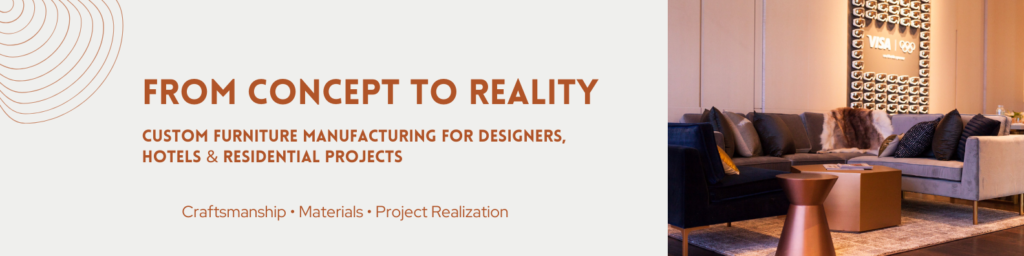
Interi Furniture specializes in custom furniture manufacturing for residential, hospitality, and commercial projects. Their experience in materials, craftsmanship, and project realization makes them a valuable resource for designers and buyers seeking tailored furniture solutions from China.