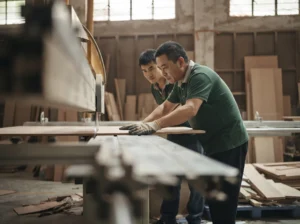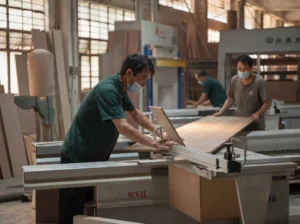






Lecong is where you look — it is a trade city of showrooms, not factories. Longjiang is where things are made — that is where you verify a factory. Jiujiang and the surrounding towns are where the materials come from. Louvre and the high-end halls are for design reference and top-tier pricing; the mid-range wholesale complexes are where volume buyers actually close deals. If you pick three or fewer target markets based on your category, follow the market-to-factory loop, and give yourself one focused day plus one factory day, you will accomplish more than a week of wandering. That is the honest Foshan furniture market map — and this article is the walking plan that goes with it.
The Anxiety Behind “Foshan Is Huge”
Every first-time buyer hears the same sentence before flying in: “Foshan is the biggest furniture trading hub in the world.” It is true. It is also useless as advice.
Foshan is not one market. It is a cluster of towns, each with a sharply defined role in the supply chain, stitched together by an ordinary Chinese city that just happens to contain millions of square meters of showroom space. Buyers who treat it as a single destination walk the Lecong trade city for five days, exhaust their shoes, and leave with a phone full of business cards from intermediaries — not one factory name they can trust.
The painful part is that the information buyers need already exists. It just lives in the heads of sourcing agents, in WeChat groups, and in the muscle memory of people who have walked these halls for a decade. This article puts that knowledge on paper.
The Core Truth: Lecong Is a Mall, Not a Factory
Strip away the marketing language and the district specialization logic of Foshan becomes obvious.
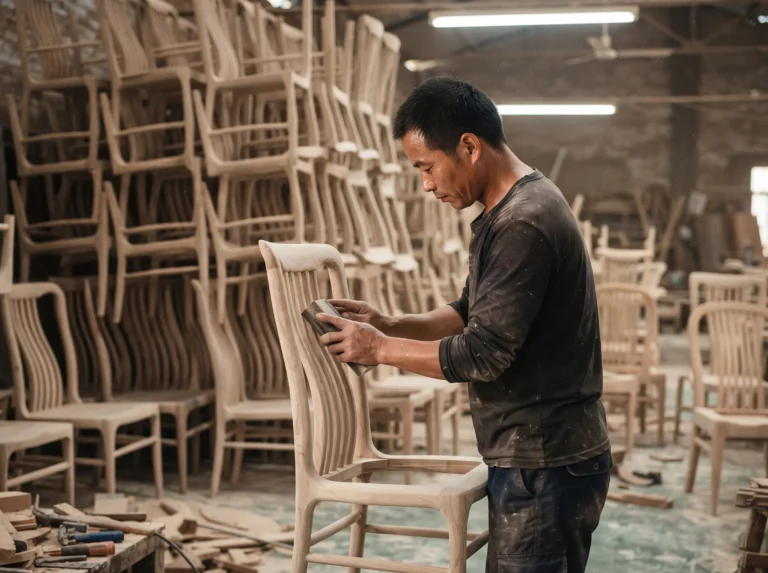
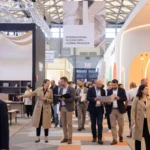
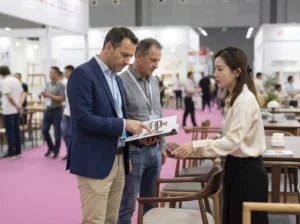
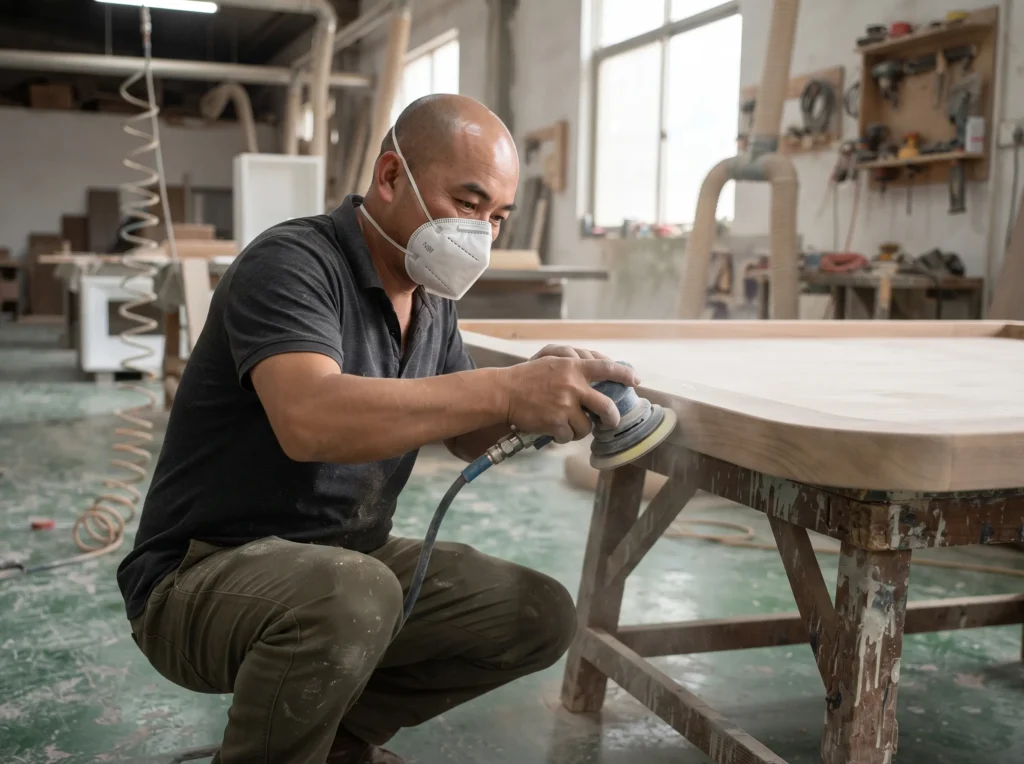
Lecong — specifically the vast trade city anchored by the Louvre and the furniture boulevards along 325 National Road — is a retail and wholesale mall ecosystem. Most booths inside those complexes are dealers and brand showrooms. The furniture on display was largely made elsewhere, much of it in Longjiang and the surrounding manufacturing towns, then trucked to Lecong for display.
This single fact reframes everything:
- The value of Lecong is seeing and comparing — styles, quality tiers, pricing logic — not “factory-direct” pricing.
- Buying directly inside a Lecong showroom often means buying from a dealer at a markup, sometimes at a price no better than what you would pay in your home market for equivalent goods.
- The label “factory direct” (厂家直营) in a Lecong hall mostly describes who owns the showroom, not who owns the machines. Treat it as a weak signal, subject to verification.
None of this means Lecong is a trap. It means Lecong has a specific job in your trip, and that job is not “place your order.”
Foshan’s District Specialization at a Glance
Foshan’s furniture economy is organized by township, and each township plays a different position. This is the district specialization layer of the map — the thing no taxi driver will explain to you.
| District / Town | Role in the Chain | What You Actually Do There | Buyer Fit |
|---|---|---|---|
| Lecong (乐从) | Trade & showroom hub | See styles, compare quality tiers, benchmark prices, shortlist suppliers | All buyers — day one |
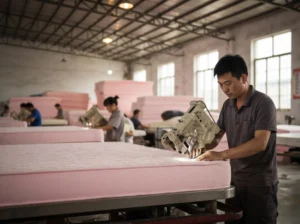
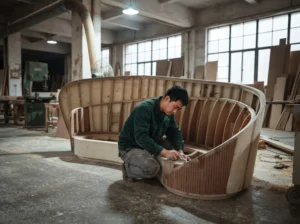
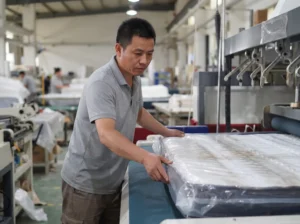
| Longjiang (龙江) | Manufacturing core | Factory audits, production verification, capacity checks, direct negotiation | Importers, wholesalers, FF&E |
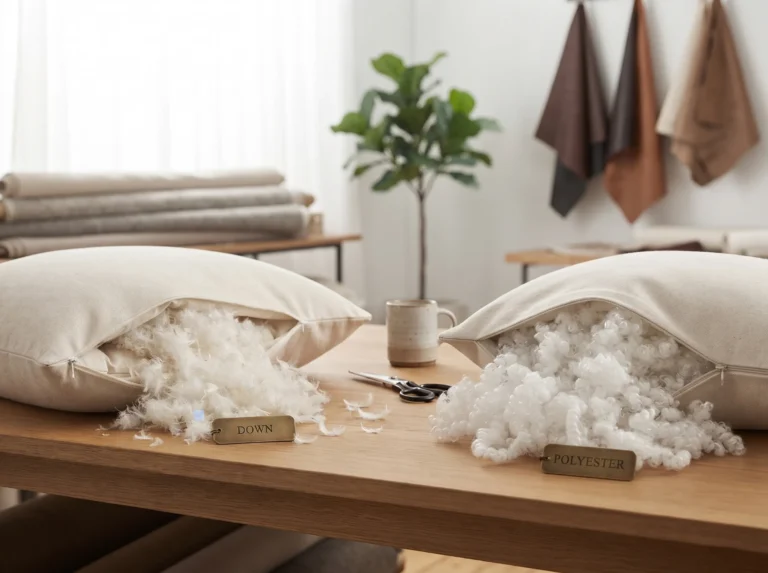
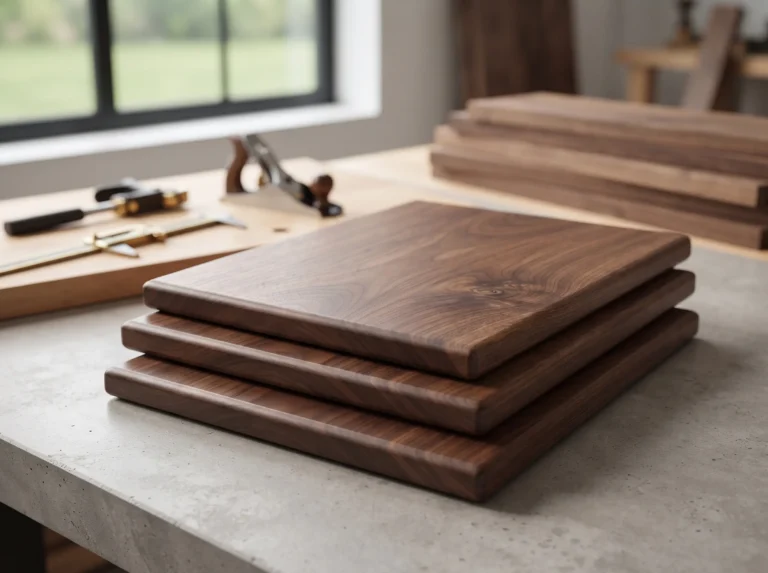
| Jiujiang (九江) | Materials & components | Understand material costs, hardware, leather and fabric supply | Buyers seeking cost transparency |
| Shunde broader | Cabinet & panel cluster | Kitchen and wardrobe systems, panel-based customization | Kitchen/built-in buyers |
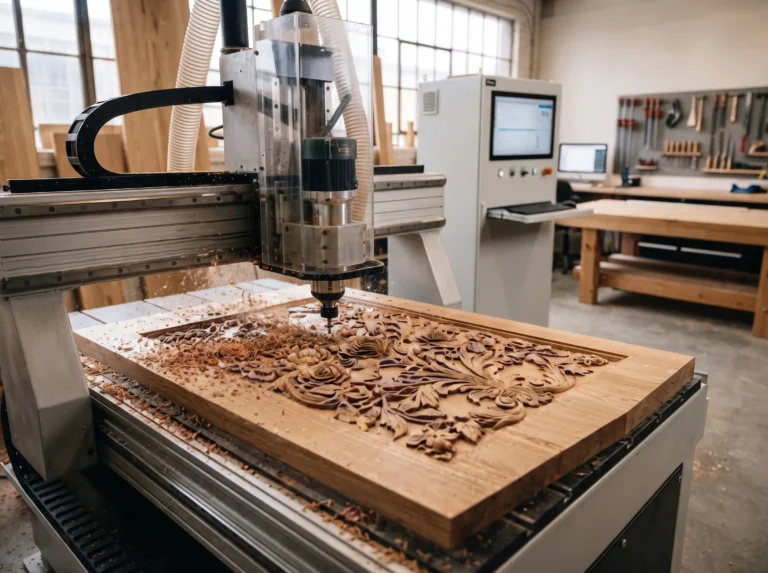
| Nanhai / Dali area | Metal, aluminum, hardware | Frames, mechanisms, hardware sourcing | Commercial and component buyers |
| Guangzhou (neighboring) | Fair & export services | Canton Fair timing, export agents, logistics | Anyone combining fair visits |
Two things worth saying plainly. First, “the market is huge” is an illusion created by not knowing the map — three or fewer targeted complexes cover the overwhelming majority of sourcing needs. Second, the professional buyer’s route is a triangle: see the goods in Lecong, verify the maker in Longjiang, understand the cost base in Jiujiang. Walk the triangle and the city shrinks from overwhelming to manageable.
The Lecong Complexes: Reading the Tiers
Lecong’s trade city is not one building — it is a layered ecosystem of complexes, each sitting at a price and positioning tier. Floor and category assignments shift over time and are subject to verification on site, but the tier logic has been stable across our field visits.
| Tier | Representative Complexes | Positioning | Who Should Spend Time Here |
|---|---|---|---|
| High-end design | Louvre (罗浮宫) and surrounding premium halls | Design-forward, top materials, highest price points, strong export-facing service | Retail buyers, FF&E designers, trend research |
| Comprehensive wholesale | Large mid-tier complexes along the furniture boulevards | Broad category coverage, mid-range pricing, volume-friendly | Wholesalers, importers, e-commerce sellers |
| Single-category markets | Dedicated halls for office, hotel, outdoor, or mattresses | Deep assortment in one category, easier comparison | Category-focused buyers |
| Materials & components | Adjacent streets and accessory markets | Fabrics, hardware, leather, packing materials | Component and cost-focused buyers |
The tier logic matters because of a rule we repeat to every buyer we walk with: different floors of the same building can belong to entirely different price systems. Walking upstairs without knowing which tier you have entered is how buyers burn a full day comparing products that were never comparable. Before you enter any complex, ask at the directory desk which floors cover your category and which price positioning they carry.
Match the Market to Your Purchase Goal
Different buying missions belong in different tiers. The mismatch — a volume wholesaler spending a day in the design halls, or a retail buyer drowning in the wholesale maze — is the single most common time-waster we observe.
| Your Goal | Primary Stop | Secondary Stop | Time Budget |
|---|---|---|---|
| Benchmark styles & quality tiers | Louvre tier | One mid-tier complex | Half to one day |
| Volume wholesale sourcing | Mid-tier wholesale complexes | Longjiang factories | One to two days |
| Single category depth (office / hotel / outdoor) | Category-specific halls | Matching factories | One day |
| Kitchen & built-in cabinetry | Shunde cabinet cluster | Panel suppliers | One day |
| Cost & material transparency | Jiujiang material zone | Factory visits | Half to one day |
| Full sourcing trip with verification | Lecong + Longjiang | Jiujiang if time allows | Three days |
If you only internalize one thing from this Foshan furniture market map, make it this: pick your three target markets before you land, based on the table above. Indecision, not distance, is what makes Foshan feel enormous.
The Walking Plan: One Day and Three Days
Here is how we structure trips when we walk buyers through the city. Adjust for your category, but resist the urge to add stops — density beats coverage in Foshan.
| Time Block | Day One (Market) | Day Two (Market to Factory) | Day Three (Verification) |
|---|---|---|---|
| Morning | Target complex #1, your core category | Revisit shortlisted showrooms, note labels & marks | Drive to Longjiang, factory audit #1 |
| Midday | Directory check before switching floors; lunch near the boulevards | Cross-check: same style, different halls, compare quotes | Factory audit #2 |
| Afternoon | Target complex #2, adjacent category | Collect factory names behind preferred styles | Jiujiang material zone (optional) |
| Evening | Same-day notes: style codes, price tiers, contacts | Rank shortlist; send meeting requests to factories | Debrief, consolidate, draft RFQs |
One honest benchmark: a buyer with a clear category and this schedule typically leaves with a verified shortlist. A buyer without one typically leaves with sore feet. The difference is not effort — it is sequencing.
The Market-to-Factory Loop: Lecong to Longjiang
This is the mechanic that separates professional buyers from tourists, and it is the part of the Lecong furniture market guide that almost no one writes down.
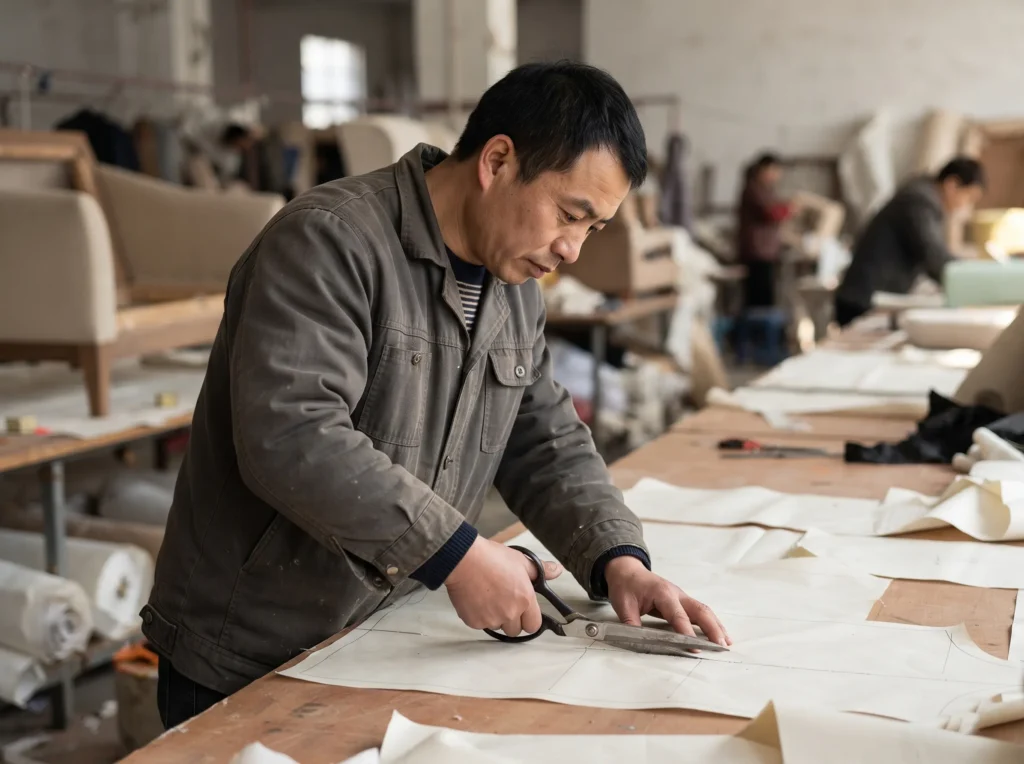
You see a sofa style you like in a Lecong showroom. Note the showroom name and floor. Ask a calm, direct question: “Is this your own factory, or which factory makes this?” A legitimate showroom will answer. Then — and this is the key move — you do not place the order in the hall. You take the factory name to Longjiang, visit the line, check the materials against what you saw on the floor, and negotiate with the maker, not the middleman.
| Step | Location | Action | What It Protects You From |
|---|---|---|---|
| See and shortlist | Lecong showrooms | Record styles, quality, tier | Buying blind from catalog photos |
| Trace the maker | Lecong, in person | Ask who manufactures each shortlisted style | Dealer markup disguised as factory price |
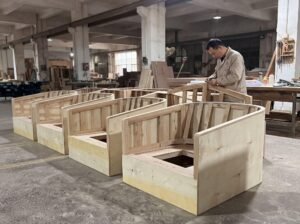
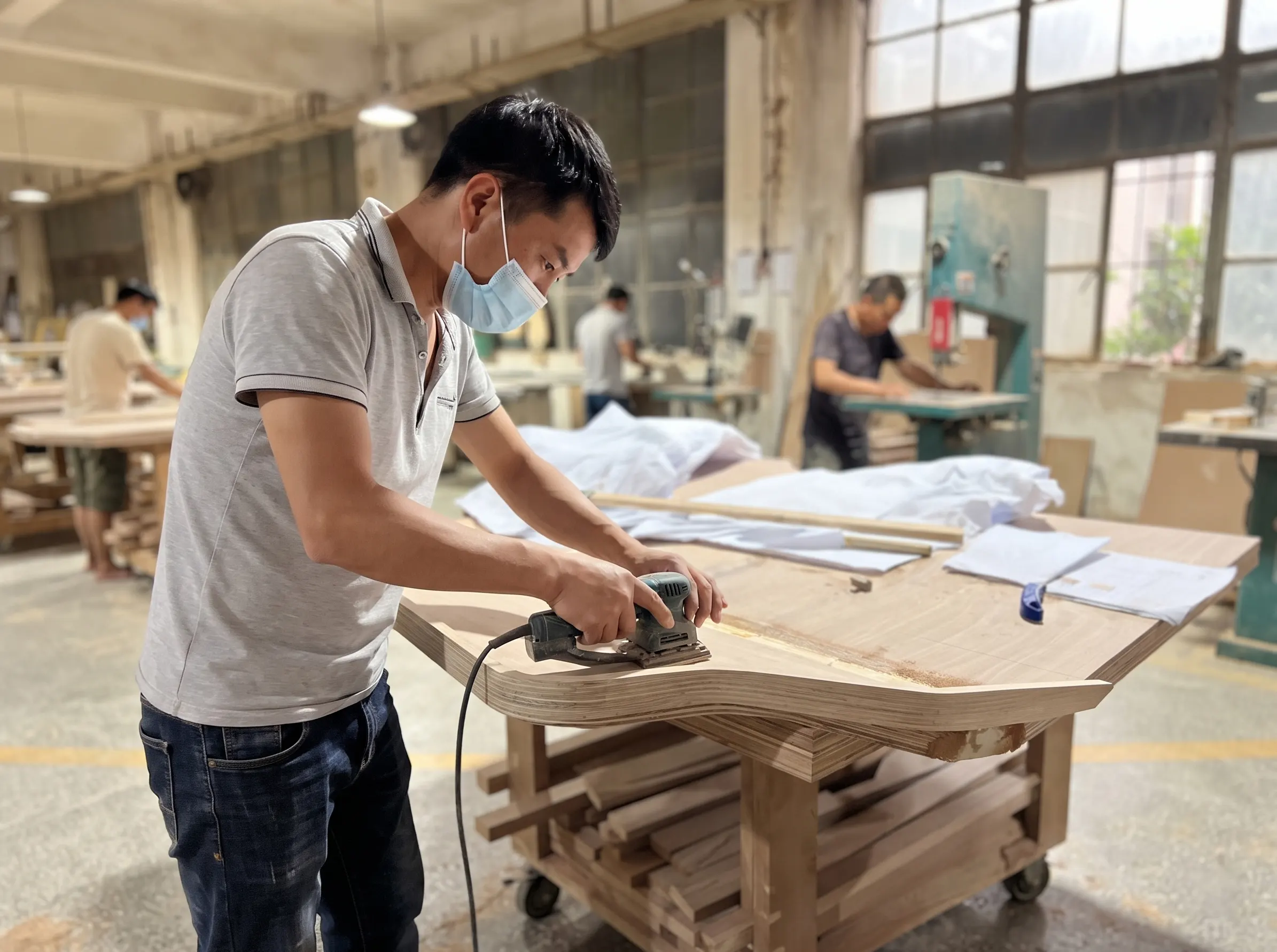
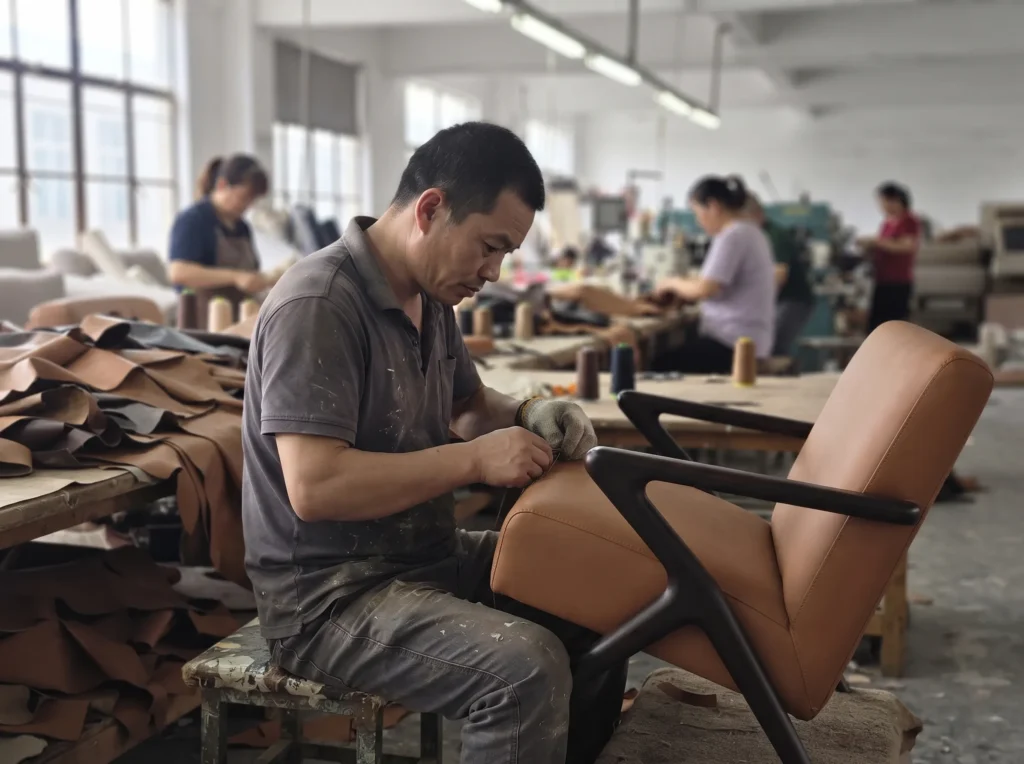
| Verify production | Longjiang factories | Audit lines, materials, capacity | Paying showroom prices for workshop quality |
| Understand cost base | Jiujiang material zone | See what leather, hardware, frames actually cost | Overpaying on materials you cannot evaluate |
Run this loop and a subtle shift happens: the showroom stops being your supplier and becomes your catalog. The factory becomes your supplier. That shift, repeated across a dozen styles, is where real margin lives.
Risk Warnings: Where Buyers Lose Money
We do not sugarcoat this part. Three failure patterns account for most of the losses we have seen buyers report.
Dealer pricing presented as factory pricing. Because most Lecong booths are dealers, a quoted “factory price” in a showroom frequently includes one or two layers of markup layered on top of the real factory cost. The defense is the market-to-factory loop above, not better haggling inside the hall.
Cross-floor price system confusion. Premium floors and wholesale floors can sit one escalator apart. Comparing a Louvre-tier product against a wholesale-complex product as if they are alternatives leads to bad decisions in both directions — overpaying, or disqualifying quality you actually need. Confirm the tier before you compare the price.
Ordering without a contract. Foshan’s trade culture can feel handshake-friendly, and some dealers encourage verbal terms, deposits paid to personal accounts, and no written specification sheet. Do not do this. Specification sheet, payment terms, QC standard, and delivery window — in writing, always. Verbal terms in any market are worth the paper they are not written on.
Playbooks by Buyer Type
Importers and wholesalers. Spend one day across two mid-tier wholesale complexes, then one full day in Longjiang. Your edge is verification, not discovery. Bring your target price points; Foshan factories respond to numbers, not compliments.
E-commerce and cross-border sellers. Prioritize the mid-tier complexes and single-category halls. Photograph labels and marks, shortlist aggressively, and run the loop on your top five SKUs only. Volume focus beats catalog breadth every time.
Individual and DIY buyers. You can buy single pieces in Lecong — most complexes sell at retail or near-retail — but be realistic: you are paying showroom prices, and consolidated shipping for one sofa often costs more than the sofa. The DIY route works; the single-piece savings often do not. Our companion DIY blueprint covers the logistics math.
Hotel and FF&E buyers. Combine Louvre-tier halls (for design language) with Longjiang audits (for compliance and capacity). Your risk profile demands documented QC standards, which only the factory loop provides.

Frequently Asked Questions
Which market should I visit first in Foshan?
Lecong, specifically one complex matched to your category and budget tier — check the matching table above before you choose. First-time buyers should not attempt more than two complexes on day one. (Tenant mix and floor layouts subject to verification on site.)
Is the Lecong furniture market selling at factory prices?
Mostly, no. The majority of booths in Lecong complexes are dealers and brand showrooms, so prices often include dealer margin. The market’s real value is seeing and comparing styles and quality tiers — use it as a catalog, then trace the maker to Longjiang for actual factory pricing.
How many days do I need to cover Foshan’s core markets?
Three focused days: one for targeted market visits, one for market-to-factory transition, one for factory audits in Longjiang. Buyers without a plan routinely spend five to seven days and cover less ground.
I found a style I like in a showroom — how do I find the factory behind it?
Ask the showroom directly which factory manufactures the piece — legitimate showrooms will usually say. Then arrange a visit to that factory in Longjiang before ordering. If a showroom cannot or will not name its manufacturer, treat that as a signal, not an obstacle to push through.
Can individual buyers buy single pieces in Foshan?
Yes. Lecong complexes generally sell at retail or near-retail, and single-piece purchases are normal. The real constraint is logistics: consolidated international shipping for one or two pieces frequently costs more than the furniture itself, so calculate total landed cost before buying.
Your Turn
Which category are you flying to Foshan for — sofas, cabinetry, office, or something else? Tell us in the comments and we will point you at the exact complexes and the walking order we would use for your trip.
Recommended Resource
Interi Furniture specializes in custom furniture manufacturing for residential, hospitality, and commercial projects. Their experience in materials, craftsmanship, and project realization makes them a valuable resource for designers and buyers seeking tailored furniture solutions from China.