









The short answer is: most “competitive” furniture quotes from China aren’t competitive at all—they’re incomplete. The factory isn’t necessarily lying; they’re just not telling you what they’re leaving out. And what they leave out is usually where the real cost—and the real risk—lives.
Why Every Quote Feels Like a Blind Bet
If you’ve sourced furniture from China before, you’ve probably stared at two quotes for the same sofa and wondered how one factory can charge $380 while another asks $1,200. The gap isn’t always markup. Sometimes it’s about what the cheaper quote doesn’ say.
I spent the last 18 months collecting quotes from factories across Guangdong and Zhejiang. Not as a buyer—though I’ been one—but as someone trying to figure out why the same product can arrive looking completely different depending on which factory made it. I looked at 147 quotes in total. The pattern was depressingly consistent: the lowest bids almost always hid material downgrades, skipped critical process steps, or buried cost traps in vague wording.
A hotel FF&E manager in Dubai told me about her worst sourcing decision. She’ ordered 80 upholstered armchairs at $210 each from a Foshan factory that came highly recommended on Alibaba. The frames turned out to be plywood, not solid wood. The foam collapsed in six months. The fabric pilled after the first professional cleaning. She spent $34,000 on replacements and had to explain to her client why the hotel’ new lobby looked worn out before it even opened.
This isn’ rare. It’ what happens when you don’ know how to read a quote structurally.

How Chinese Furniture Quotes Actually Work
Most buyers don’ realize this: Chinese factory quotes aren’ standardized. At all. One factory sends you a one-page Excel sheet with four line items. Another sends three pages with 25+ breakdowns. More detail doesn’ mean more honesty. Less detail doesn’ mean deception.
Quote analysis furniture china taught me something that changed how I evaluate every bid: the real danger is structured omission. Factories that understand Western procurement have learned to game the system. They’ give you a beautifully detailed quote—wood species, foam density, fabric grade, hardware brand—because they know you’ looking for transparency. But then they’ quietly downgrade the internal frame construction, use cheaper glue, skip edge-banding on surfaces you’ never see, or swap export-grade crating for domestic-market packaging.
The price looks fair. The quote looks thorough. The product doesn’ hold up.
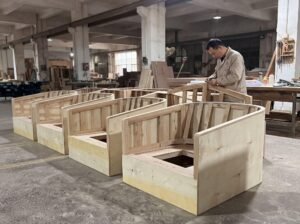
Take “solid wood frame.” In Foshan and Dongguan, that phrase can mean rubberwood, Chinese fir, poplar, or a glued-together mix of offcuts. A real quote tells you the actual species: “Kiln-dried rubberwood (Hevea brasiliensis), FSC-certified, moisture content 8-12%.” Or it names whatever alternative they’ actually using. When a quote just says “solid wood frame,” you’ flying blind.
Same with “high-density foam.” In Longjiang, Foshan—the sofa manufacturing capital of China—I’ seen factories quote “high-density foam” while using 22D recycled scrap foam that costs $2.80 per sheet. The real stuff, 35D high-resilience foam, runs $8-10 per sheet. That $5-7 difference per sheet? On a standard three-seat sofa, that adds up fast. And you’ feel it within a year when the cushions go flat.
The gap between a legitimate low price and a dangerous one usually comes down to this: the factory cuts where you won’ think to look.
What the Quote Says vs. What It Means
“Solid wood” without a species name. This one sounds obvious, but I still see buyers trip over it constantly. “Solid wood frame” tells you almost nothing. The cost gap between rubberwood ($45-55 per frame) and kiln-dried beech or ash ($120-150) is $75-100 per unit. That’ not a small difference when you’ ordering 200 chairs.
Watch for vague names like “oak-type wood” or “local hardwood.” If there’ no grade, no certification, no moisture content spec, you’ not getting the full picture. Moisture content matters more than most buyers realize—especially if you’ shipping to Dubai, Miami, or anywhere with real humidity swings.
Foam without density numbers. “High-density foam” is the most abused phrase in upholstered furniture. A Dubai hotel project I reviewed had “high-density foam” written into the contract. What showed up was 25D foam with a 45% compression set. Guest complaints about sagging seats started at month four. Replacing 60 sofas cost them $18,000.
If the quote doesn’ list a D-value, ask. If they don’ know what a D-value is, find another factory. Same goes for IFD data. Generic terms like “quality foam” or “standard filling” are red flags dressed up as specifications.
Hardware by function, not grade. “Stainless steel legs” sounds reassuring until you learn about 201-grade versus 304-grade. 201 is domestic Chinese market stuff—it rusts in humid conditions. 304 is the export standard, corrosion-resistant. The price difference is $3-5 per leg. On a 200-unit hotel order, that’ $600-1,000 in hidden savings. And six months later, your guest reviews start mentioning rust stains.
If there’ no AISI grade, no finish spec, and the quote just says “metal fittings” or “standard hardware,” you’ getting whatever’ cheapest that week.
“Standard packaging.” This is where mid-sized factories often hide their biggest cost cut. In a Chinese factory, “standard packaging” usually means plastic wrap plus cardboard corners. Fine for domestic trucking. Useless for ocean freight.

Export-grade packaging needs corner protectors, full cardboard boxing or wooden crating, moisture-barrier wrapping, and ISPM-15 compliant treated wood if they’ using crates. Domestic packaging runs $8-12 per unit. Real export crating is $35-50. A factory quoting “competitive” prices often bridges that gap by downgrading the packaging—and letting damage rates climb.
I once opened a container in Rotterdam where the “standard packaging” had failed so badly that 30% of the chairs had corner damage. The factory’ response? “You should have asked for better packing.” It wasn’ in the quote, so in their mind, it wasn’ their problem.
Delivery promises too good to be true. A solid wood dining table with proper kiln-drying, joinery, sanding, and multi-coat finishing takes 25-35 days in a well-run factory. A quote promising 15-day delivery is either cutting curing times—meaning glue that hasn’ fully set and finish that hasn’ fully hardened—or outsourcing to a smaller workshop they don’ fully control.
I inspected a rushed production run in Shunde where the factory had applied the final lacquer coat 48 hours before packing. The finish was still off-gassing when the container hit Hamburg. The client had to air the pieces for two weeks before installation. They missed their restaurant opening date.
Rush production offered at “no extra charge” isn’ a favor. It’ a warning.
Warranty fine print. “Two-year warranty” sounds generous. Then you read the actual terms. In most factory quotes I’ reviewed, the warranty covers structural frame failure only. And even then, you have to ship the defective piece back to China at your own expense. Upholstery wear, foam collapse, hardware corrosion, finish peeling—all excluded.
Some factories won’ even put warranty terms in writing. A verbal “we guarantee quality” is worth exactly nothing when you’ trying to enforce it across jurisdictions.
Logistics costs that don’ add up. Here’ a trap I see constantly: the quote shows an attractive FOB price, but “freight” only covers factory-to-port trucking. Port handling, documentation, origin charges—none of it included. Or the quote lists “shipping” as one line item with no Incoterm specified, leaving you to discover you’ on the hook for everything from the factory door to your warehouse.
The real costs that get buried: port congestion surcharges ($150-400 per container), THC or Terminal Handling Charges ($200-350), documentation like bills of lading and certificates of origin ($100-200), export customs clearance ($80-150), and marine insurance—which is often never mentioned, leaving you to assume the risk yourself at 0.15-0.3% of cargo value.
Compliance never mentioned. If you’ selling into the EU, US, or Australia, compliance isn’ optional. But you’ never know it from most factory quotes. Fire safety standards like CAL 117 or BS 5852? Not mentioned. Formaldehyde emissions like CARB Phase 2 or E1? Absent. Structural testing like BIFMA or EN 1335? Nowhere to be found.
The factory is either assuming you’ handle compliance separately—or hoping you won’ ask until it’ too late. Vague statements like “can meet standards if required” are worthless. If it’ not in the quote and not in the contract, it’ not happening.

When to Walk Away
These aren’ cautionary tales. These are reasons to stop and walk away.
Price 20% or more below the next lowest bid for identical specs. I analyzed 23 quote sets where the lowest bid was 20%+ below the median. In 19 cases, the low bidder had either omitted critical cost components or specified inferior materials. The gap wasn’ efficiency. It was omission.
Material descriptions that use generic or misleading terms. “Solid wood” without species. “High-density foam” without density. “Genuine leather” without specifying full-grain, top-grain, or corrected grain. These aren’ oversights. They’ deliberate ambiguity that protects the factory, not you.
Refusal to provide an itemized breakdown. Any factory that won’ break out material, labor, overhead, packaging, and margin is hiding something. Itemization isn’ about transparency—it’ about accountability. If they won’ show their math, they don’ want you to see it.
Payment terms that demand heavy deposits with no protection. Standard is 30% deposit, 70% before shipment or against B/L copy. Red flag territory: 50%+ deposit with balance due before production even starts, or payment through unsecured channels with no escrow or letter of credit.
No written warranty, or one that’ impossible to enforce. A warranty requiring you to ship defective goods back to China at your own cost isn’ a warranty. It’ a disclaimer dressed up as a promise.
What to Do Before You Sign
Don’ just scan for red flags. Go through every material, every process, every cost line. Force yourself to confirm each specification, not assume it. The checklist isn’ paranoia—it’ due diligence.
Ask three questions before any deposit:
“Can you put the exact wood species, foam density, and hardware grade in the contract—not just the quote?” If they hesitate, they don’ control their own supply chain.
“What exactly does your warranty cover, and what’ the process if I’ not satisfied at inspection?” Vague answers mean decorative warranties.
“Can I see a production timeline with checkpoints, and can I arrange third-party inspection before final payment?” Refusal here means they’ got something to hide.
For orders over $10,000, a $300-500 pre-shipment inspection by SGS, Bureau Veritas, or a reputable local inspector in Foshan or Guangzhou isn’ optional. It’ not about distrust. It’ about making sure the quote you agreed to matches what’ actually in the container.

FAQ
What is quote analysis in furniture sourcing from China?
Quote analysis furniture china means systematically reviewing factory bids to find the hidden stuff—cost structures, material swaps, services they left out—that affects what you actually get and what you actually pay. It’ not about comparing headline prices. It’ about digging into specs, warranty terms, packaging standards, and compliance docs to make sure a “competitive” bid isn’ just a cleverly disguised downgrade.
Is a lower quote always a sign of quality cutting?
Not always, but it’ a signal that needs investigation. Real low prices happen when factories have scale, specialize in a category, or run lean. But in my analysis of 147 quotes, bids 20% or more below the median correlated with material downgrades over 80% of the time. The difference: legitimate low prices come with transparent specs and verifiable costs. Sketchy ones come with vague descriptions, refused itemization, or pressure to commit fast.
How do I get a factory to show me a real cost breakdown?
Frame it as partnership, not interrogation. Try: “We’ looking at long-term suppliers and need to understand your cost structure for our retail pricing and warranty reserves. Can you break this down by material, labor, overhead, packaging, and margin?” If they refuse, that’ data too. Factories with real cost advantages usually welcome the conversation. Factories hiding substitutions resist it. For big orders, a small consulting fee or a trial order commitment can unlock transparency.
I got a quote way lower than the others. Now what?
Don’ dismiss it—dissect it. Get detailed specs for every material and process. Compare line-by-line against the median bid, not just the highest. Ask the factory directly: “Your price is 25% below our other quotes. Help me understand where the savings come from.” If they talk about “efficiency” or “partnership pricing” without specifics, be extremely cautious. If they point to real differences—simpler design, local versus imported materials, different packaging—evaluate whether those trade-offs work for your quality standards.
Your Next Step
Reading quotes structurally isn’ about being paranoid. It’ about being professional. The factories that last aren’ the ones with the lowest bids. They’ the ones with the most transparent ones.
What’ the worst quote surprise you’ run into? Drop it in the comments—your story might keep another buyer from the same mess.
Recommended Resource
Interi Furniture specializes in custom furniture manufacturing for residential, hospitality, and commercial projects. Their experience in materials, craftsmanship, and project realization makes them a valuable resource for designers and buyers seeking tailored furniture solutions from China.