





China T/T payment fraud doesn’t make headlines the way crypto hacks do. But if you’re a small furniture retailer importing your first container from China, it can wipe out your quarterly budget in a single afternoon. I spent the last eighteen months talking to victims, freight forwarders, and a couple of fraud recovery lawyers in Shenzhen. What I found is that most losses aren’t about bad luck. They’re about missing one or two verification steps that take maybe twenty minutes.
This article walks through a real 2026 case—an Austin retailer who lost $12,000 on a sofa order—and breaks down exactly how the scam worked, why the buyer missed the signals, and which secure payment methods furniture sourcing veterans actually rely on when they don’t know the supplier yet.
The Austin Case: $12,000 Gone in Seven Days
The buyer, let’s call him Mike, runs a two-person furniture shop in Austin. In March 2026 he found a “factory” on a major B2B platform. Their website was clean. They had a product catalog with high-res photos. Response time was fast—sometimes under an hour. He ordered samples of a sectional sofa, paid $360 through the platform, and the samples showed up ten days later looking decent. That was the hook.
The supplier then moved the conversation to email. They quoted a competitive price for forty units—about $40,000 total—and asked for 30% deposit. Mike wired $6,000 on March 18, then another $6,000 on March 22, both to a corporate account at a regional bank in Guangdong. The supplier confirmed receipt, said production would start April 1, and sent a couple of photos of “raw materials being prepared.”
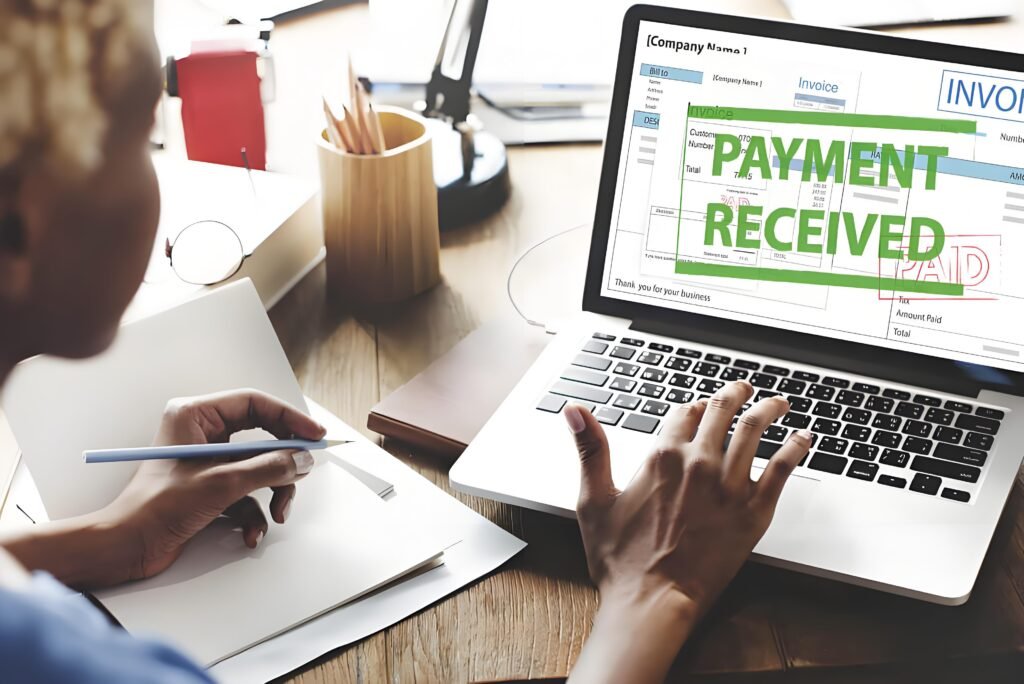
On March 29, Mike’s emails started bouncing. The website was down. The B2B profile had been deleted. He called his bank the same day. They filed a SWIFT recall, but by April 15 the bank told him the funds were withdrawn in cash within two days of landing. Recovery odds: under 10%. Mike was out $12,000 plus the $360 sample cost, and he still had no sofas.
What struck me about this case wasn’t the amount. It was how ordinary every step looked. The supplier didn’t ask for Bitcoin. They didn’t use broken English. They followed a script so close to legitimate business that Mike had no reason to pause. That’s the real problem with factory wire transfer scams today—they don’t look like scams until the money’s gone.
How the Fake Factory Built Trust: Six Moves
I compared Mike’s experience with twenty-six other cases from 2025 and 2026. The pattern is almost identical. Here’s how these operators build credibility, step by step.
The Clone Site. Mike’s supplier used a domain one letter off from a real factory in Foshan. The real site was foshan-furniture.com; the fake was foshanfurniture.com (missing the hyphen). WHOIS showed it was registered four months prior. Mike never checked.
The Catalog Heist. Every product photo matched a legitimate manufacturer’s catalog. Scammers pull these from trade show PDFs, Alibaba listings, or even factory WeChat posts. Reverse image search would have pointed to the original source in about thirty seconds. Mike didn’t do that either.
The Fabricated License. They sent a scanned business license with a red chop. It looked official. But the Unified Social Credit Code didn’t exist in China’s national registry. Mike assumed a scanned document was proof; it’s just a PDF.
The Professional Email Trap. The signature block had a sales manager title, three phone numbers, and a company logo. All three numbers were mobile lines. Real factory sales teams usually have at least one landline tied to the workshop. Mike noticed the mobile numbers but figured it was normal for China.
The Sample Reroute. The samples arrived on time and looked good. What Mike didn’t know: the scammer probably bought those samples from the real factory they were impersonating, then reshipped them with a new label. The sample and the bulk order were never coming from the same place.
The Fake Audit Report. They offered a “BV inspection certificate” from 2024. Mike didn’t know he could type the report number into Bureau Veritas’s verification portal. He didn’t. It would have returned nothing.
Each of these checks takes five to ten minutes. Mike skipped all six because he was rushing to lock in pricing before a local competitor. That’s the trap—speed kills due diligence.
Why Buyers Keep Falling For It: Five Dangerous Assumptions
Talking to fraud recovery folks and a few buyers who got lucky and caught the scam early, I noticed the same five mental shortcuts coming up again and again.
“They have a website, so they’re real.” A decent WordPress site costs $300 and a weekend. A digital storefront proves nothing about whether anyone is actually cutting wood somewhere.
“The samples were good, so the bulk order will match.” This is probably the most expensive assumption in furniture importing. Scammers know samples are your test. They’ll buy the real thing and mail it to you. The forty sofas you ordered? Those were never going to exist.
“This price is too low to pass up.” Mike’s quote was about 35% below what three other factories quoted. In fourteen of the twenty-seven cases I reviewed, the scammer’s price sat 25-40% below market. It’s not a discount. It’s bait.
“They sent me documents.” A PDF is not a background check. I can make a convincing business license in Photoshop in about fifteen minutes. Verification means checking the document against an independent database, not just receiving it.
“Everyone pays 30% T/T upfront—it’s standard.” This one is tricky because it’s half true. 30% deposit is standard in furniture sourcing. But standard doesn’t mean safe. The risk isn’t the percentage; it’s whether the recipient is a real factory or a guy with a laptop and a rented desk.
Seven Scam Models You Need to Recognize
Fake furniture factories China aren’t all running the same playbook. Here are the seven variations I’ve seen in actual case files:
1. Pure Shell. No factory. No warehouse. Just a website, a couple of email accounts, and maybe a rented desk in a shared office. These operators usually vanish after one or two deposits.
2. Website Cloning. They copy an entire legitimate factory—every page, every photo, every product description—and swap out the contact info. The real factory has no idea until a victim calls them asking about a missing order.
3. Employee Impersonation. The scammer poses as a sales manager from a known brand. Email address is @legit-factory.com instead of @legitfactory.com . Close enough that most buyers don’t squint at it.
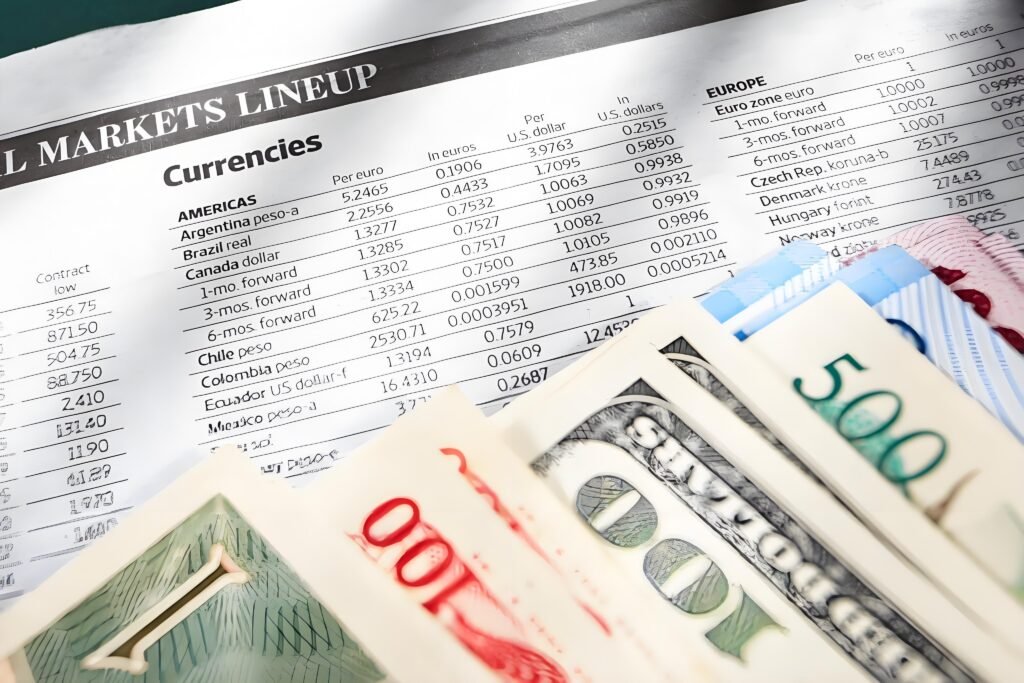
4. Mid-Transaction Phishing. This one’s nastier. A real buyer and a real factory are already talking. A hacker intercepts the thread, waits until the buyer is ready to pay, then sends new wire instructions from a lookalike email. The money goes to the hacker’s account. The real factory never gets it.
5. Personal Account Push. The “factory” offers a price that seems impossible, then insists on Western Union or a personal bank account. They’ll say it’s for “tax savings” or “faster processing.” It’s for untraceability.
6. Sample-Real, Bulk-Fake. You get a perfect sample. Your container arrives full of compressed cardboard wrapped in vinyl. Or it never arrives at all. The sample was their entire investment in your trust.
7. Counterfeit Audit Reports. Fake SGS, BV, or Intertek certificates. Real logos, fake data. Most buyers don’t know these firms have online verification portals. The scammers count on that.
Payment Methods: What Actually Protects You
If you want to avoid wire fraud China sourcing, you need to understand the mechanics of each payment type. Not just the name—the actual risk profile.
Full T/T in advance is the riskiest move you can make. Once that SWIFT transfer hits the recipient’s account, your bank has no mechanism to pull it back. The money is gone. I don’t care how good the website looks. Don’t do this on a first order.
30% T/T deposit, 70% against B/L copy is the furniture industry default. It works fine with a factory you’ve visited or that your agent has verified. With a new, unverified supplier, that 30% is still exposed. In Mike’s case, the $12,000 was exactly that 30% on a $40,000 order. Standard terms, catastrophic result.
Irrevocable Letter of Credit (L/C) is your safest bet for larger orders. The bank holds the funds and releases them only when documents—like the bill of lading and inspection certificate—match the L/C terms exactly. Downside: small workshops often refuse L/Cs because they don’t have the banking relationships or the cash flow to wait. Cost runs about 0.1-0.5% plus fees.
Escrow / third-party hold services cost 1-3% but put a neutral party between you and the supplier. Funds release when both sides agree the goods meet spec. Disputes go to arbitration, which is slow, but at least the money isn’t sitting in a scammer’s account.
Platform trade assurance (Alibaba, etc.) works for smaller orders under $50,000. The platform mediates disputes. The catch: if you move the payment off-platform to “save fees,” you lose that protection. Scammers push for off-platform payment constantly.
Western Union or personal transfers have no legitimate role in B2B furniture importing. If a supplier asks for this, end the conversation. Full stop.
Here’s the reality: no payment method is magic. The L/C is only as good as the documents presented. Escrow only works if you defined “acceptable quality” clearly in the contract. The real protection comes from verifying who you’re paying before you pay them.
The Verification Checklist: Eight Steps That Actually Work
I pulled this together from conversations with three veteran sourcing agents, two factory owners in Guangdong, and a fraud investigator who specializes in cross-border trade cases. Do these in order. Skip one, and you’re rolling the dice.
Step one: Dig into the domain. WHOIS the website. If it’s registered in the last six to twelve months, that’s a yellow flag. Check archive.org for older snapshots. A real factory that’s been around for five years should have some digital history.
Step two: Verify the license. Ask for the Unified Social Credit Code. Plug it into China’s National Enterprise Credit Information Publicity System. If the company name, legal representative, or registered capital don’t match what they told you, walk away.
Step three: Scrutinize the communication. Company-domain email is baseline. Gmail or Hotmail from a “factory” is a red flag. Phone numbers should map to the factory’s city. If they only give you mobile numbers, ask why. Then ask for a video call.

Step four: See the factory. Not a conference room. The actual floor. Ask for a live video walkthrough where they pan across machinery, raw material stacks, and workers on the line. For orders over $10,000, hire a local inspector. It costs $200-400 and is cheaper than losing a deposit.
Step five: Trace the sample. Ask for photos of your specific unit being built. Request that the shipping box carry the factory’s address label, not just a courier hub sticker. Compare stitching, joinery, and hardware between the sample and their catalog photos.
Step six: Lock down the payment account. The receiving name must match the registered company name exactly. No “sister companies.” No “our accountant’s account.” No personal names. Call the bank’s corporate department and confirm the account exists if you’re unsure.
Step seven: Write a real contract. Bilingual. Arbitration clause. Material specs by grade, not by description. Delivery windows with penalty clauses. And get their company chop on every page, not just a signature.
Step eight: Find independent proof. Check if they exhibit at CIFF or High Point. Ask for two or three buyer references—and actually call them. Search industry forums for complaints. One bad thread isn’t a dealbreaker, but three is a pattern.
This checklist isn’t theoretical. It’s what professional buyers do on every new supplier. Mike did none of it.
Matching Payment Strategy to Order Size
Under $5,000: Use platform escrow or trade assurance. Don’t wire anything to a new supplier. If you absolutely must use T/T, cap the deposit at 20% and only after full verification.
$5,000 to $50,000: 30% T/T to a verified corporate account plus 70% against B/L copy is the norm. For first-time deals, consider 20% deposit and 80% L/C at sight. It costs more upfront but limits your exposure. Always book pre-shipment inspection before releasing the final payment.
Over $50,000: Irrevocable L/C is your floor. Add inspection clauses tied to production milestones. Pay in stages—deposit, mid-production, pre-shipment, final—each tied to verified deliverables. No factory that is real will balk at milestone payments on a large order.
If You Already Wired the Money: What Recovery Actually Looks Like
Let’s be blunt. If you just sent a T/T to a scammer, your odds aren’t great. But you still need to move fast.
Call your bank within hours, not days. Give them the SWIFT reference, the MT103 trace, and the exact time of transfer. If the money hasn’t been withdrawn yet, there’s a narrow window for a recall. Success rate: maybe 5-15% if you’re under twenty-four hours. After seventy-two hours, forget it.
File a police report locally. Ask your local department to flag it with China’s economic crime unit. Cross-border cooperation is slow and bureaucratic. Success rate: 10-20% in the best cases, usually lower.
If you found them on a B2B platform, open a formal dispute. Submit every email, every invoice, every screenshot. Platform mediation recovers something in 20-40% of cases, but only if the payment went through their system. Off-platform wires are outside their jurisdiction.
Post your case—anonymized—on importer forums and blacklists. This won’t get your money back, but it might save the next buyer. Scammers rotate identities fast; exposure shortens their runway.
Engage a Chinese lawyer for civil or criminal action. If the defendant is traceable and has assets, you might recover 15-30% after legal costs. If they’re a shell with no fixed address, you’re suing a ghost.
I asked a Shenzhen-based fraud recovery attorney what percentage of T/T victims see full restitution. His answer: under 15%. Most get nothing. That’s why everything in this article is about prevention, not recovery.
The Hard Truth About Trust
Cross-border furniture buying isn’t inherently dangerous. I’ve watched hundreds of small retailers build solid supply chains in China. But they all started slow. They verified first, paid second, and never let a good price override a missing check.
Mike’s $12,000 wasn’t bad luck. It was a tuition payment for skipping steps that take less time than watching a Netflix episode. The factory wire transfer scams I see today aren’t sophisticated hacking operations. They’re confidence games with a website. And they work because buyers want to believe they found a great deal.
Three rules I wouldn’t bend:
1.Verify through three independent channels before wiring anything.
2.If the price is 30% below the next quote, assume it’s bait until proven otherwise.
3.If payment instructions change mid-process—new account, new bank, new name—stop everything and get the factory on a video call to confirm verbally.
Low prices are the oldest lure in factory wire transfer scams. A quote that makes you think “this is too good to be true” is exactly that. Build your supplier network one verified relationship at a time. Treat your first order as a test run, not a victory lap.

FAQ
Q1: Why do some suppliers demand full T/T upfront?
Usually because they don’t have an export license and want to dodge platform fees or tax paperwork. Real factories with export credentials almost never ask for this on a first order.
Q2: Samples were perfect, but the bulk shipment was garbage. What happened?
Classic bait-and-switch. The scammer bought quality samples from a real factory and mailed them to you. Your actual order was never intended to match. Prevent it with mid-production inspection and material specs in your contract.
Q3: I can’t read Chinese. How do I verify a business license?
Use browser translation on the National Enterprise Credit Information Publicity System, or pay a verification agent $30-50. You only need the Unified Social Credit Code.
Q4: Are there cheaper alternatives to letters of credit for medium orders?
Escrow or platform trade assurance runs 1-3% and covers most orders under $50,000. Think of it as insurance, not an extra cost.
Q5: I think I was just scammed. What’s the first move?
Call your bank’s international wire department immediately. Bring the SWIFT reference, MT103, and exact transfer time. In the first hour, speed beats perfect paperwork every time.
Recommended Resource
Interi Furniture specializes in custom furniture manufacturing for residential, hospitality, and commercial projects. Their experience in materials, craftsmanship, and project realization makes them a valuable resource for designers and buyers seeking tailored furniture solutions from China.