






Last March, I watched a guy from Melbourne drop eight grand on a sofa set at a Guangzhou retail furniture mall. He thought he was getting a deal. By the time that container hit Port Melbourne, he’d spent closer to fourteen. And the cushions? Nothing like the showroom sample.
So if you’re asking whether you can buy furniture from Guangzhou as an individual — yeah, you can. People do it every day. But “can” and “should” are two different animals, and most folks learn that distinction the expensive way.
This isn’t a guide written by someone who read about Guangzhou on Wikipedia. I spend half my year in this city, watching containers get loaded, watching Guangzhou personal buyers get burned, watching the same mistakes repeat like clockwork. What follows is what I’ve actually seen — not what some Alibaba seller wants you to believe.
The First Thing You Need to Understand: Guangzhou Isn’t What You Think
Here’s the thing nobody on YouTube tells you. Guangzhou hosts the Canton Fair, sure. It has massive wholesale markets, absolutely. Trucks leave this city every hour loaded with containers bound for Long Beach, Rotterdam, Sydney. But actual furniture factories?
Well, yes and no.
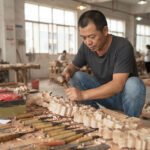
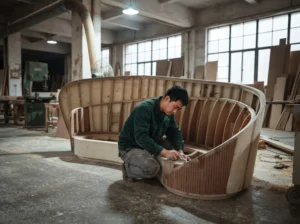
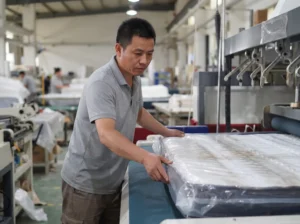
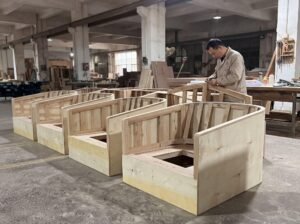
Guangzhou does have furniture factories. Panyu, Conghua, Zengcheng — these districts all have manufacturing bases, some of them sizable. But here’s the catch: most of them are high-end custom, commercial project, or specialized-category players — hotel furniture, villa custom work, built-in wardrobes and cabinetry. They run on project contracts, not retail walk-ins.
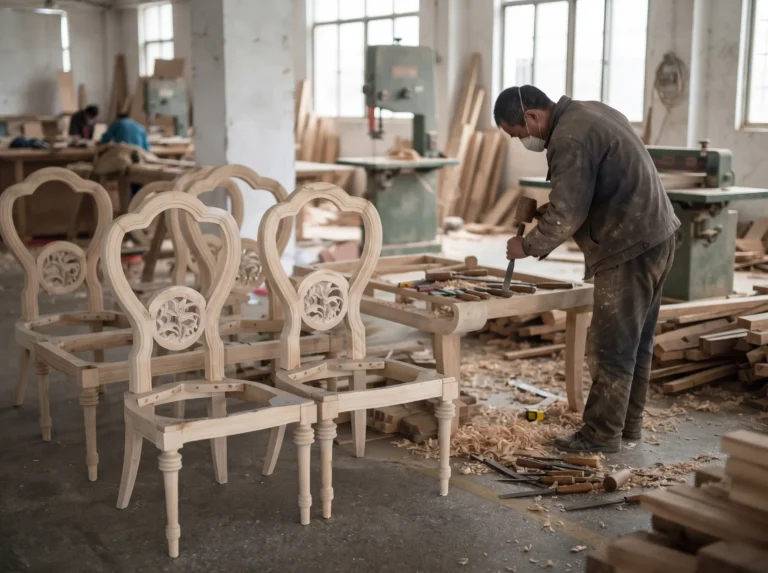
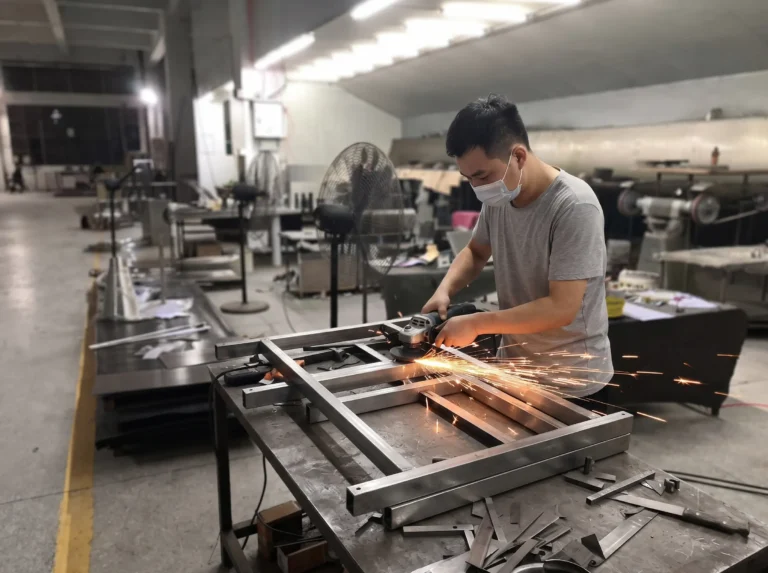
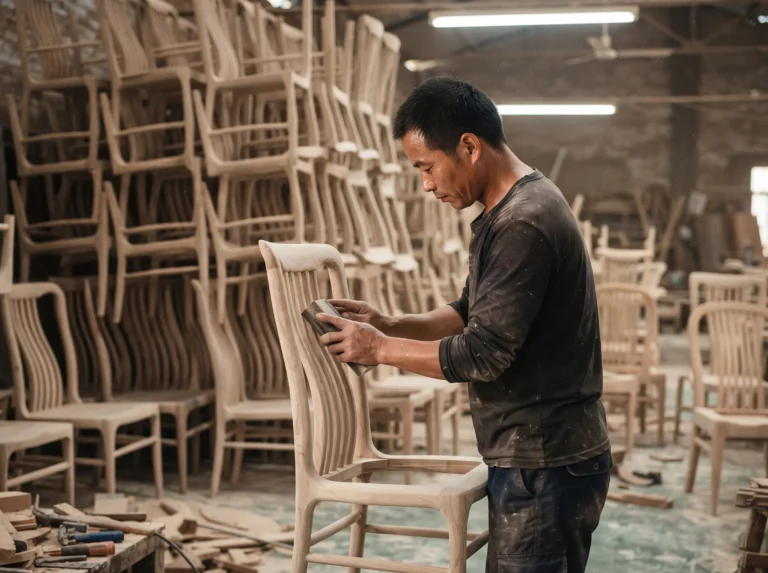
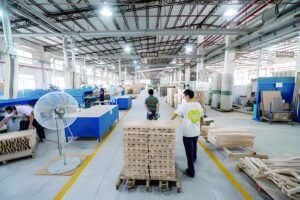
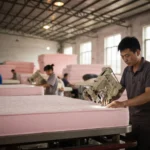
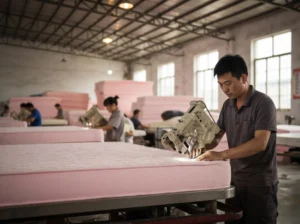
The mass-market, high-volume, middle-range stuff that most Guangzhou personal buyers are hunting for? That’s overwhelmingly in Foshan, about 30 kilometers southwest. Shunde District specifically — that’s where the bulk of sofas get upholstered, dining tables get assembled, bed frames get welded at scale. Longjiang and Lecong in Foshan? You can walk down a single street and pass fifty factories. That’s the picture in most buyers’ heads when they say “factory-direct.”
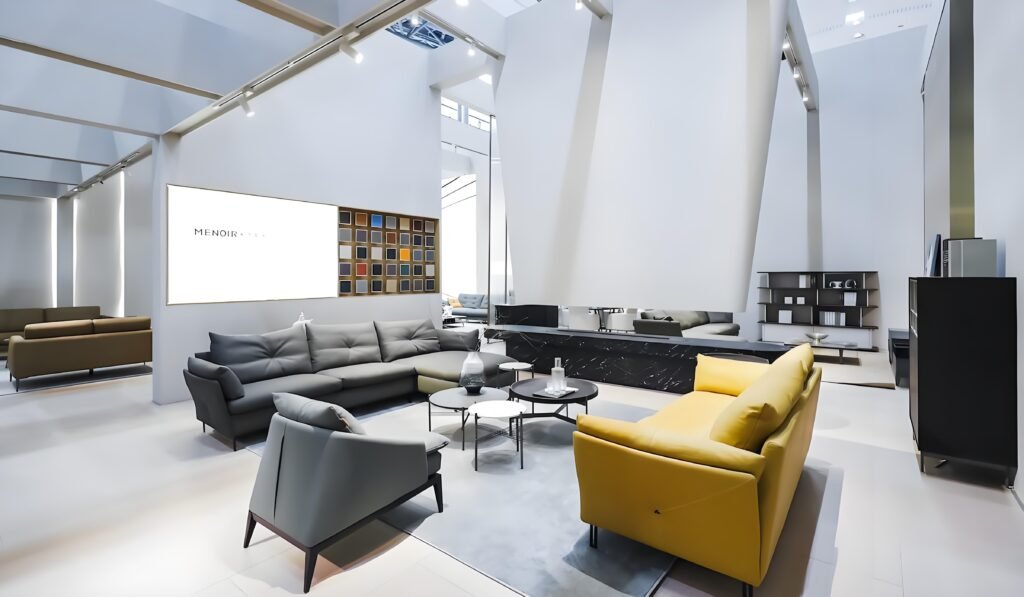
Guangzhou itself plays more of a trade hub + logistics node role. Exhibitions happen here. Containers ship from here. Freight forwarders cluster here. So when you’re walking through Guangzhou retail furniture showrooms or malls, you’re almost never talking to the actual manufacturer. You’re talking to a trading company that rents space in Guangzhou, sources from Foshan factories, and marks it up 40-60%. Most individual buyers never even know that middle layer exists.
And even if you do track down a real Guangzhou factory — say, some high-end custom hotel furniture maker in Panyu or a built-in wardrobe specialist in Conghua? They typically don’t take individual small orders. Their business model runs on whole hotels, entire villa developments. You want one sofa for your apartment? Sorry, you’re not on their radar.
Meanwhile, the Foshan mass-market manufacturers won’t pick up the phone unless you’re talking twenty pieces minimum. Sometimes fifty. That’s just how this supply chain works — built for volume, not for your living room.
Where Guangzhou Personal Buyers Actually Shop (And What Happens)
You want to buy furniture from Guangzhou as an individual? Fine. These are your real options. No fluff. No “secret hack” nonsense.
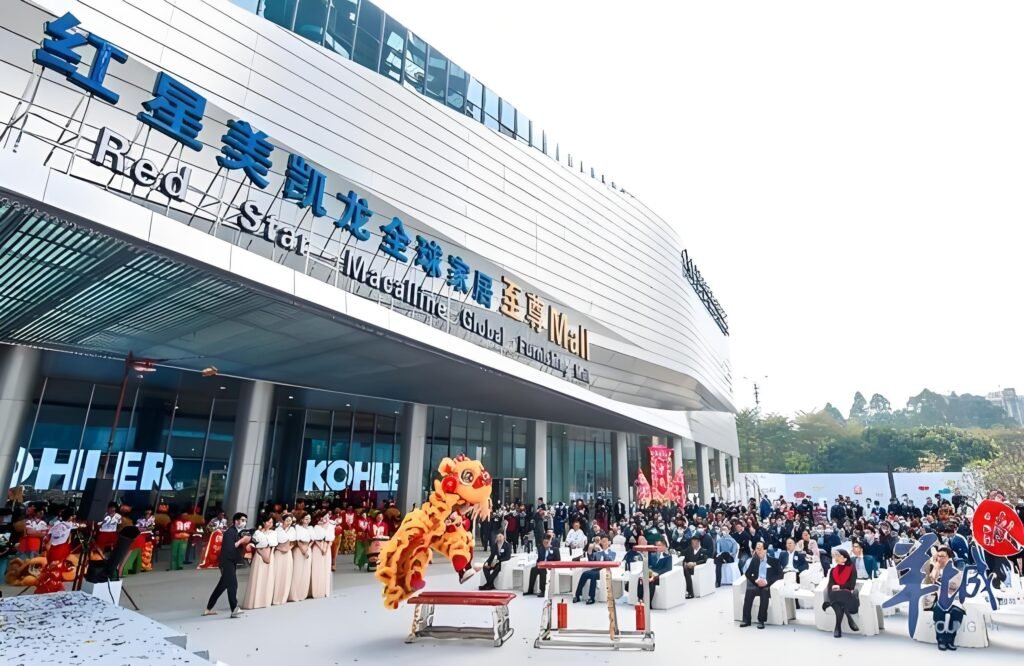
Guangzhou Retail Furniture Malls — The Safe but Pricey Route
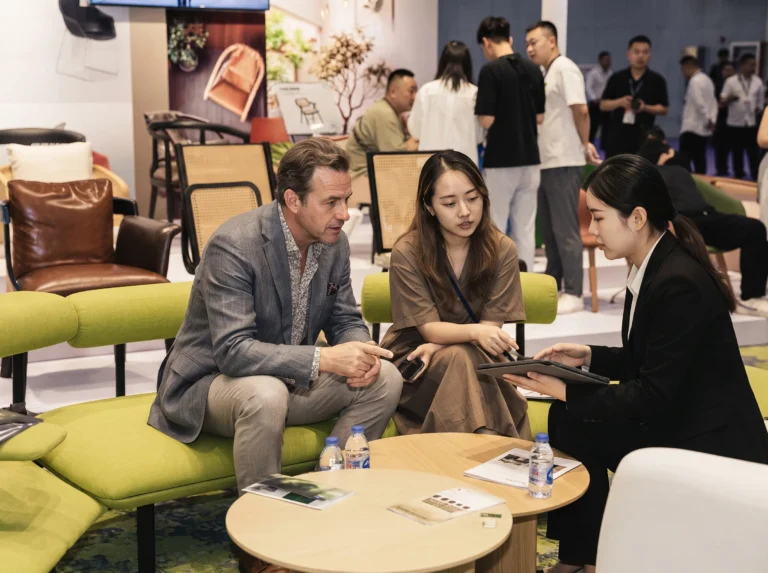
Red Star Macalline (红星美凯龙), Easyhome (居然之家) — these places in Tianhe and Haizhu districts are built for Chinese families furnishing apartments. But they’ll absolutely sell to foreigners with cash or card, no problem.
What you’ll pay: Expect 30-50% above anything resembling wholesale. That sofa that wholesales for ¥4,500 in Foshan? It’s sitting in a Guangzhou retail furniture mall for ¥7,500, maybe ¥8,500. The rent in Tianhe isn’t cheap, and you’re covering it — plus the cost of them sourcing from Foshan, trucking it to Guangzhou, and putting it on their showroom floor.
The good: You touch it. You sit on it. You negotiate face-to-face — floor models and cash payments can knock 15-20% off sticker if you’re persistent. Delivery within Guangzhou is straightforward. No minimum order headaches.
The bad: English is hit-or-miss at best. These vendors don’t know how to export. No commercial invoices, no customs docs, no clue about international freight. If you need that sofa shipped to Sydney, you’re figuring out the freight forwarder yourself. And good luck getting them to answer your WeChat messages once you’ve left the country.
Who it’s for: People already living in Guangzhou or nearby, buying 3-5 pieces, who want to see the product before they pay. If you’re flying in just for this, the math probably doesn’t work.
Wholesale Markets — Better Prices, But You’re on Your Own
The clusters around Panyu and the older districts near Liwan. These markets feed domestic retailers, small hotel projects, trading companies. You can walk in as an individual, but you’re not the customer they built this for.
What you’ll pay: Roughly 15-25% below Guangzhou retail furniture mall prices. A dining set that retails for ¥6,000 might drop to ¥4,500 here. But “wholesale” doesn’t mean “factory direct” — the vendor still bought from a factory, added their cut, and is now selling to you. You’re just skipping one layer of markup, not all of them.
The catch: These guys expect RMB cash, WeChat Pay, and domestic delivery. Ask them to prep export packing lists or handle FOB terms, and you’ll get blank stares. Some refuse outright. Others quote a ridiculous surcharge because they genuinely don’t know how to do it — they’ve never needed to.
The good: More variety in one place than any mall. Real negotiation room if you buy 2-3 matching pieces. Prices that actually move if you push hard.
The bad: Almost zero English. Quality inconsistency is rampant — what’s on the showroom floor might not match what gets loaded. No warranty for international buyers. And if something goes wrong? Try chasing a vendor in Panyu from 8,000 miles away. I’ve seen people try. It doesn’t go well.
Who it’s for: Buyers with a Mandarin-speaking fixer or agent, purchasing 5-10 pieces, who don’t mind handling their own logistics. If you don’t speak Chinese and don’t have local help, this is a hard road.
Trade Hub Exhibition Individual Access — The Best and Worst Option Simultaneously
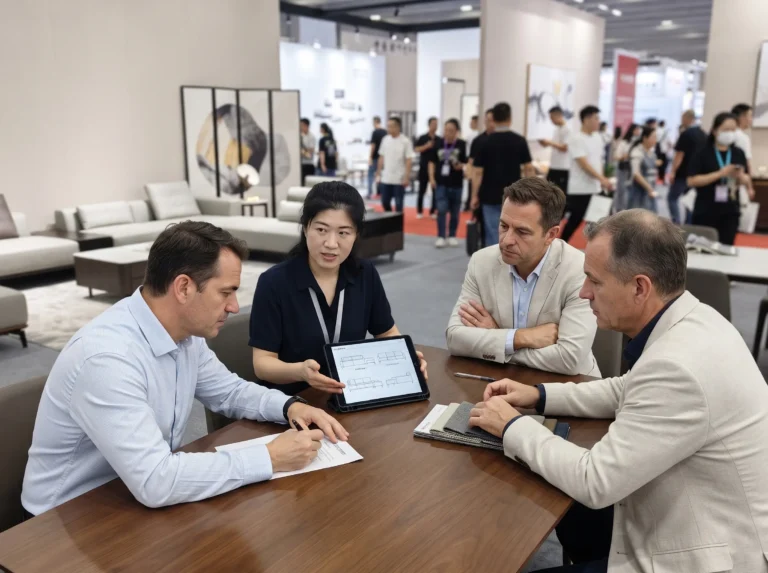
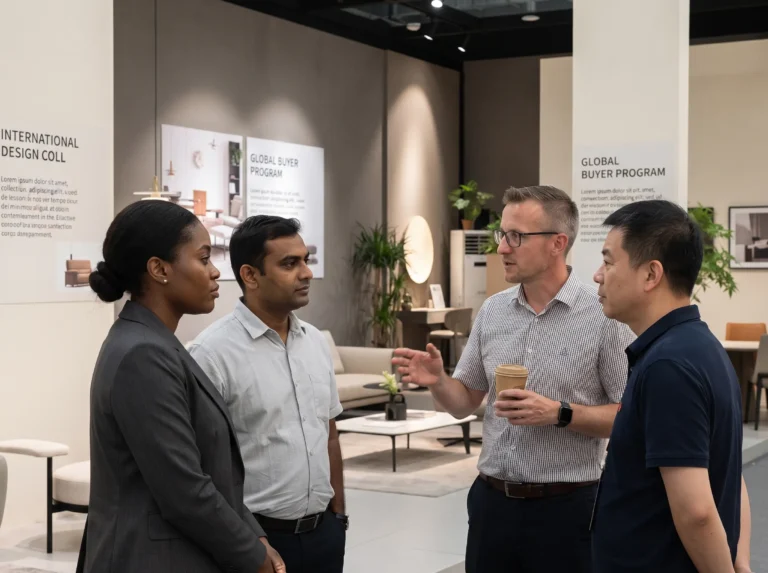
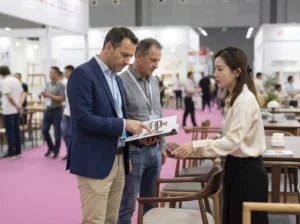
Canton Fair runs in April and October. CIFF Guangzhou usually hits in March. These are industry events, built for B2B buyers with container budgets, not someone shopping for their Airbnb.
The access problem: Canton Fair Phase 2 (furniture) requires business registration, buyer badges, or invitation letters. Can a trade hub exhibition individual sneak in during the last couple days when security loosens up? Sometimes. I’ve seen it happen. But it’s inconsistent, and policies shift year to year. For reference only — verify before you book a flight.
The pricing reality: Exhibition quotes are opening bids, not final prices. They’re designed for buyers ordering by the container. Walk up asking for 2 sofas, and you’ll either get ignored or quoted something close to retail. Some vendors won’t even write up a quote for less than a 20-foot container.
The good: Hundreds of Foshan and Guangdong factories under one roof. You can compare 20 sofa suppliers in an afternoon. Some exhibitors dump samples at 30-50% off during the final day because they don’t want to ship them back. I picked up a solid oak coffee table for ¥800 last October that would’ve been ¥2,200 in a Guangzhou retail furniture mall. But that’s the exception, not the rule.
The bad: Entry barriers for trade hub exhibition individual visitors. Prices not optimized for small orders. Logistics completely unhandled. And here’s a dirty secret — many “exhibitors” are just trading companies with fancy booths. Not actual factories. Ask to visit their production facility. Watch how fast they change the subject.
Who it’s for: Individual buyers who can present a business card or company email, positioning themselves as “small business buyers” rather than pure consumers. If you look like a tourist, you’ll get treated like one.
Direct Factory Contact — The Myth That Won’t Die
You find a “factory” on Alibaba or Made-in-China. You add them on WeChat. You think you’re cutting out the middleman.
Reality check: Most “Guangzhou factories” online are trading companies with a rented office and nice product photos. The real Guangzhou-based factories — the ones actually making things in Panyu or Conghua — are high-end custom or project manufacturers. They don’t take individual orders. Meanwhile, the Foshan mass-market factories have MOQs of 20-50 pieces per SKU. Ask for 1 dining table and 4 chairs, and they’ll redirect you to their retail channel — or ghost you entirely.
If you somehow find a real factory willing to talk: You’re on your own for everything. Quality inspection, export packing, freight forwarding, customs, insurance. The ¥600 you save per piece evaporates fast when you’re hiring a third-party inspector for $300 and paying a freight forwarder to figure out your LCL shipment. By the time you’re done, you might’ve spent more than just buying retail back home.
Who it’s for: Small-scale resellers, Airbnb operators, or interior designers buying for multiple projects. Not someone furnishing one apartment.
The Real Cost Breakdown (Where People Get Burned)
The sticker price is just the beginning. Here’s where individual buyers actually get hurt.
Product cost: Whatever you negotiate. But add 10-15% for what I call the “foreign buyer tax” — an informal markup some vendors slap on when they sense you’re new to this game. It happens. More than you’d think.
Export packing: Individual orders almost never get proper crating. A sofa going overseas needs plywood frame protection, corner guards, moisture-proof wrapping. Budget ¥300-800 per cubic meter for real export packing. Skip it, and your furniture arrives scratched, damp, or broken. I watched a $4,000 leather sofa arrive in Los Angeles with mold because someone cheaped out on the wrapping. Source: Guangzhou freight forwarder quotes, July 2026.
Freight: LCL (Less than Container Load) to the US West Coast runs $150-250 per CBM, plus origin charges in Guangzhou. A single sofa (~1.5 CBM) costs $300-450 just to get on the boat. That’s before it hits Los Angeles. And if your forwarder doesn’t know Guangzhou port? Add delays, add confusion, add cost.
Duties and customs: Depends on your country. The US is mostly 0% on furniture under HTS 9403, but upholstered pieces can trigger anti-dumping duties. EU buyers face VAT. Do your homework before you buy, because customs doesn’t care that you didn’t know.
Insurance: 0.3-0.5% of cargo value. Sounds small. Skip it, and you’re gambling your entire purchase on a container that might get dropped or soaked. I’ve seen both happen.
So that ¥6,000 sofa ($820 USD)? By the time it’s in your living room, you might be looking at $1,400-1,800. At that point, buying from a local importer doesn’t look so bad. And that’s assuming nothing goes wrong — which, for first-time Guangzhou personal buyers, is a big assumption.
Scams I’ve Watched Happen (So You Don’t Have To)
I’ve seen too many Guangzhou personal buyers get wrecked in Guangzhou. The patterns are depressingly consistent.
The “Factory Direct” Lie
A showroom claims they’re the manufacturer. They’re not. They’re a trading company renting space, marking up Foshan goods by 40-60%, pocketing the spread. Ask to visit the factory. If they deflect, make excuses, say “it’s far” — you’re not talking to a manufacturer. Period.
The Sample Switch
You inspect a gorgeous sample in the showroom. The production batch arrives with cheaper foam, thinner plywood, lower-grade fabric. This is stupidly common in wholesale markets. Without a pre-shipment inspection ($200-300 via third-party services), you have zero recourse. Zero.
The Shipping “Fixer”
Some guy at the market offers to “handle everything” for a flat fee. He takes your money and your product, then vanishes. Use established freight forwarders with verifiable licenses. Not random dudes who approach you unsolicited.
The MOQ Bait-and-Switch
A factory agrees to your small order, takes your 30% deposit, then demands a higher price. Or they deliver three weeks late because your tiny order keeps getting bumped for bigger clients. This is standard operating procedure for some suppliers.
The Payment Trap
Paying RMB as a foreign individual via WeChat or Alipay is getting harder. Wire transfers to Chinese corporate accounts require paperwork and patience. Some vendors push Bitcoin or informal channels. That’s when you run.
If You’re Still Doing This — What I’d Tell a Friend
Know exactly what you want before you step off the plane. Measure your spaces. Know your materials. Bring photos of styles you like. Walking into Guangzhou markets without specifics is like walking into a casino with your wallet open.
Budget realistically: product cost plus 40% for packing, shipping, and duties. If the total beats local retail prices, reconsider the whole trip. I’ve seen people spend more to buy furniture from Guangzhou as an individual than they would’ve spent at a furniture store in their own city. The savings only work at volume.
Pick your channel based on quantity: retail for 1-3 pieces, wholesale for 5-10 with an agent, exhibitions if you can get in. Forget factories unless you’re buying twenty-plus pieces — whether it’s a Guangzhou-based custom manufacturer or a Foshan mass-market plant, individual orders don’t fit their model.
Never pay 100% upfront. Standard is 30% deposit, 70% before shipping. For individuals, try to negotiate 30/40/30 if the vendor has any flexibility. If they refuse, that’s a red flag.
Hire an inspector. $200-400 for third-party inspection (SGS, Bureau Veritas, or local Guangzhou firms). Cheaper than receiving garbage you can’t return. I’ve never met a buyer who regretted the inspection fee. I’ve met plenty who regretted skipping it.
Separate your logistics from your purchase. Use a freight forwarder with Guangzhou experience. Get three quotes. Confirm Incoterms — FOB Guangzhou or EXW factory. Know what you’re signing. And document everything: contracts in English and Chinese, photo records of samples, signed packing lists, email trails. If it goes wrong, this is your only ammunition.

Common Questions (The Stuff People Always Ask Me)
Can I just walk into the Canton Fair as a tourist?
Officially? No. You need business registration or buyer credentials. Unofficially, some people slip in during the final days, but it’s a gamble. Verify current policies before you book anything.
Is it actually cheaper than buying back home?
Sometimes, but rarely by as much as you hope. Add shipping, duties, packing, your time, and the savings on small orders often disappear. Real savings start at container volumes — not individual pieces.
Do Guangzhou factories sell direct to individuals?
Guangzhou does have real factories, but most are high-end custom or project manufacturers. They don’t take individual small orders. The Foshan mass-market factories want MOQs of 20+. If someone claiming to be a “factory” is happy to sell you 1-2 pieces, they’re almost always a trading company.
Can I ship one piece overseas?
Yes, via LCL shipping. Budget $300-600 per CBM depending on destination. Proper export packing is non-negotiable — add ¥300-800 per CBM. And find a forwarder who actually knows Guangzhou port, not some generalist who’ll learn on your dime.
What’s the biggest mistake?
Expecting factory-direct pricing and white-glove service. The Guangzhou-Foshan ecosystem is built for volume B2B buyers. Guangzhou personal buyers get retail prices, minimal support, and serious logistics headaches. Adjust your expectations, or you’ll leave frustrated.
Should I hire a sourcing agent?
For 5+ pieces, yes. A decent agent runs ¥800-1,500/day or 5-10% commission. They handle negotiation, QC, and logistics. Avoid unsolicited “helpers” who approach you in markets — they’re not helpers, they’re predators.
The Bottom Line
You can buy furniture from Guangzhou as an individual, but let’s be real — it’s not the bargain paradise social media sells. Guangzhou is a trade hub where deals happen by the container, not by the piece. Foshan is where the mass manufacturing lives. Your options are Guangzhou retail furniture malls with markups, wholesale markets with language barriers, or trade hub exhibition individual access with restrictions.
For 1-5 personal pieces, the math usually doesn’t work once logistics hit. For 10+ pieces as a reseller, designer, or investor? Guangzhou and Foshan have real opportunities. But you need local knowledge, patience, and a budget for the costs nobody talks about.
Recommended Resource
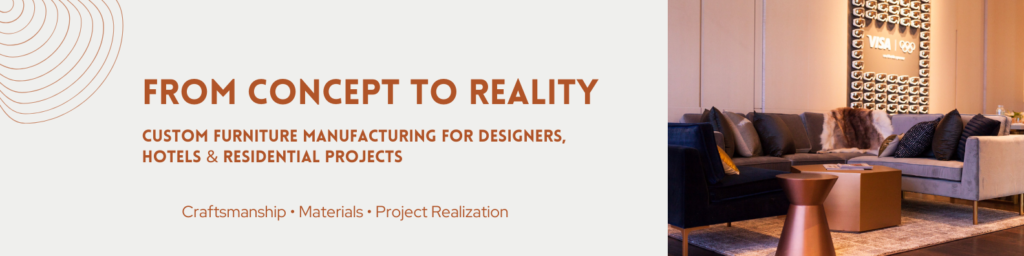
Interi Furniture specializes in custom furniture manufacturing for residential, hospitality, and commercial projects. Their experience in materials, craftsmanship, and project realization makes them a valuable resource for designers and buyers seeking tailored furniture solutions from China.
Image credits: Some photos sourced from CIFF exhibitions and public industry zone references. Contact us for removal if any copyright concerns arise.