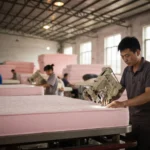


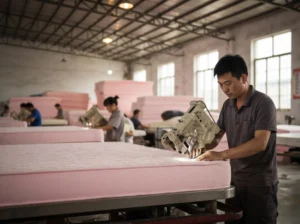










Here is the short version. Chinese furniture owns African markets from Lagos to Nairobi. Same containers get slapped with anti-dumping duties in Hamburg and laughed out of American showrooms. The gap is not quality. It is fit. African households run three generations deep under one roof. They need beds that store blankets, tables that stretch to twelve seats, frames that laugh at termites. Chinese factories build exactly that. European buyers want FSC paperwork, carbon footprints, and a brand story written by a marketing intern. Wrong game. Different rules. If you are still calling Africa a price sensitive market dump, you are already bleeding money.
The Exporter’s Dilemma: Opportunity vs. Confusion
Walk through Foshan Lecong on a Tuesday. You will see factory bosses staring at two screens. One shows a WhatsApp message from a Kenyan buyer in Nyamakima wiring a 50% deposit. The other shows a Nigerian trader who ghosted after his container hit Apapa. They want the volume. They fear the chaos. Fair.
The stereotype kills them first. “Africa only wants cheap.” Nonsense. We have watched buyers in Accra physically kick particleboard display units and demand solid teak. We have seen Dar es Salaam distributors reject a $120 metal bed for a $190 reinforced version because the cheap one “sings” when two adults roll over. These buyers spend. They just spend on function, not fashion. Most exporters never figure out the difference. They ship garbage and wonder why the relationship dies.

Killing the Myth: Africa Is Not a Dumping Ground
Let us cut through the trade-fair noise. The best-selling bed in Lagos — confirmed by three separate Guangzhou traders who have supplied that route since 2014 — is not the cheapest SKU in the catalog. It is a steel-reinforced storage platform with anti-termite dip, usually priced 35–45% above the base model. It moves because it solves problems. Three kids sleeping parallel. Humidity that warps raw wood in fourteen months. Termite colonies that treat untreated pine like a buffet. That is product-market fit, not a race to the bottom.
Meanwhile, the same factory’s flat-pack Nordic coffee table — designed for a 45-square-meter Berlin rental — rots in a Shenzhen bonded warehouse. European buyers ask for REACH compliance, FSC chain-of-custody, and a brand deck. The factory has none of those. Margin is too thin for certifications. No marketing team exists. The West builds walls with paperwork. Africa opens doors with cash and a handshake. Two different planets.
What Actually Drives the Split: Market Structure vs. Product Reality
The gap is not about whether Chinese furniture is “good enough.” It is about who the customer is and how they buy. Any honest look at the Africa furniture market China pipeline starts with this: emerging market preference is a household-structure story, not a poverty story. African buyers are not broke Europeans. They are a separate species of demand.
Africa vs. Europe/America: Market Structure Comparison
| Dimension | African Markets (Nigeria, Kenya, Ghana, Tanzania) | European/American Markets |
|---|---|---|
| Price Sensitivity | Entry-level buyers haggle hard, but mid-tier volume pays premiums for durability and storage density. Do not confuse loud bargaining with only wanting cheap. | Split brain: big-box shoppers want the lowest sticker; premium buyers want the highest markup. Little middle ground. |
| Product Preference | Heavy frames, deep storage, termite-resistant finishes, expandable dining for 8–12. Function first. | Minimalist lines, compact for nuclear families, sustainability certs required. Form first. |
| Distribution | Fragmented mess: import wholesalers, open-air market rows, Chinese trader networks in Ikeja and Kariakoo. No brand retail lock-in. | Consolidated: big-box chains, DTC e-commerce, designer showrooms. Shelf space is a political campaign. |
| Regulatory Wall | Import duty and VAT shift by port; standards enforcement is a coin toss; grey clearance is the open secret. | Anti-dumping on Chinese wooden bedroom furniture, CARB/EPA emissions, REACH chemical compliance, EPR packaging laws. Death by a thousand forms. |
| Payment Terms | Cash against documents, TT advance, or open account for guys you have drunk beer with. Letters of Credit? Slow, expensive, and often mistrusted. | Net-30 to Net-60 for established vendors; factoring and supply-chain finance are standard. Boring but predictable. |
| Brand Expectation | Low. Product function and word-of-mouth reputation crush logo value. A bed that does not squeak beats a bed with a fancy label. | High. Brand story, sustainability credentials, and showroom experience drive margin. The product is half the sale. |
| After-sales | Minimal formal infrastructure. Buyers expect durability upfront because repair is a fantasy. | Warranty, replacement parts, customer service. Baseline expectations, not perks. |
Product Design Fit: What African Buyers Actually Want
| Category | African Market Demand | Why It Matters |
|---|---|---|
| Bedroom | Reinforced metal or solid wood frames with under-bed storage; headboard shelving; anti-termite treatment. | Multi-generational co-sleeping loads 300–400 kg nightly. Humidity and termites destroy untreated wood in under two years in Lagos or Dar. |
| Dining | Extendable tables seating 8–12; heavy pedestal bases; heat-resistant surfaces. | Sunday gatherings and communal eating demand scale. Lightweight flip-top tables get called “toy furniture” and returned. |
| Storage | Tall multi-drawer wardrobes, ceiling-high shelving, ottoman beds with lift mechanisms. | Urban floor space is expensive. Vertical storage compensates for tight footprints. |
| Climate Adaptation | Powder-coated metal over raw steel; moisture-resistant edge banding; UV-stable upholstery. | Coastal humidity in Mombasa and West African monsoons corrode standard hardware and warp untreated panels. |
| Durability | 7–10 year minimum lifespan for core pieces; buyers shake display models to test joint rigidity. | Replacement cost hurts relative to income. Furniture is a capital asset, not a disposable style object. |
| Aesthetics | West Africa: dark wood tones, carved headboard details, gold or bronze accents. East Africa: simpler lines, heavy structure, easy to wipe down. | West African buyers link carving to status. East African buyers prioritize function and cleaning speed. |
Distribution Channels: How Furniture Reaches African Consumers
| Stage | West Africa (Nigeria, Ghana) | East Africa (Kenya, Tanzania) |
|---|---|---|
| Port of Entry | Apapa/Tin Can (Lagos); Tema Port (Ghana). Congestion is legendary. | Mombasa Port (Kenya); Dar es Salaam Port (Tanzania). SGR helps, but trucking still dominates inland. |
| Wholesale Hub | Alaba International Market (Lagos); Kaneshie Market (Accra). Chaos. Cash. Volume. | Kariakoo Market (Dar es Salaam); Gikomba and Nyamakima (Nairobi). Organized chaos with better banking links. |
| Trader Network | Guangzhou-based Nigerian and Ghanaian traders; Dubai re-export houses; independent Chinese wholesalers in Lagos. Relationship-heavy. | Kenyan-Indian merchant families; Chinese traders in Kariakoo; Tanzanian-Somali logistics networks. More formalized than West Africa. |
| Retail Endpoint | Open-air furniture rows, neighborhood carpentry shops that double as resellers, hotel and church project buyers. | Downtown furniture streets, Instagram/WhatsApp resellers, safari lodge and Airbnb furnishers. |
| Margin Stack | Factory → Chinese trader (12–18%) → Lagos wholesaler (25–35%) → retailer (40–60%). Everyone takes a cut. | Factory → Mombasa importer (15–22%) → Nairobi/Dar distributor (30–45%) → final seller (35–50%). Slightly leaner. |
| Payment Flow | TT advance to factory; balance against B/L copy or at port release; cash retail at endpoint. | Mixed: TT advance for new relationships, open account for repeat traders; MPesa and mobile money for smaller lots. |
For reference only, subject to official verification: Margin estimates and channel descriptions are compiled from trader interviews and shift by product category and season.
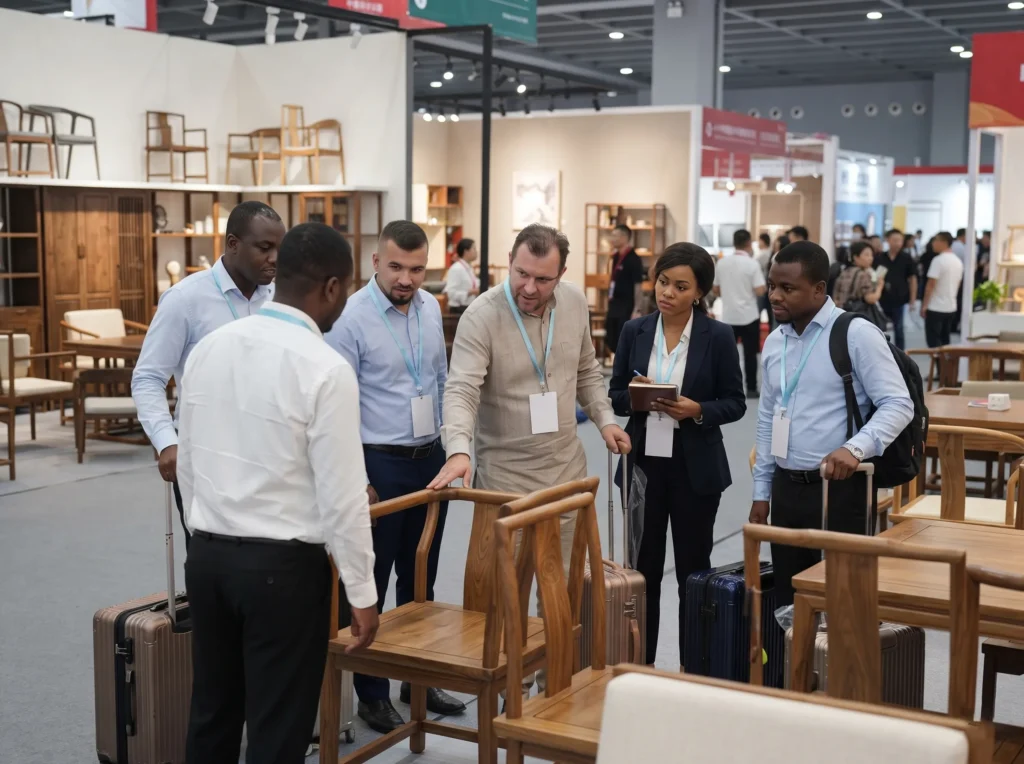
Hidden Risks: Logistics, Payment, and Compliance in Africa
| Risk Category | Typical Manifestation | Severity | Mitigation Approach |
|---|---|---|---|
| Logistics & Damage | Bad container stuffing by cheap consolidators; rough handling at Apapa and Mombasa; theft during inland trucking. | High | Use FCL over LCL where possible; inspect loading personally or via third-party; insure for full CIF value plus 20%. |
| Grey Clearance | Under-invoicing pushed by local agents; arbitrary “inspection fees” at Nigerian ports; misclassified HS codes. | Critical | Work with licensed customs brokers only; refuse to sign documents you cannot read; keep original commercial invoice clean. |
| Payment Default | Ghost buyers who vanish after B/L release; currency devaluation between order and delivery (Naira, Shilling); forex controls blocking remittance. | High | Insist on 30–50% TT advance for first orders; use D/P rather than open account until trust is built; price in USD or CNY, never local currency. |
| Political & Currency | Sudden import bans (Nigeria 2015–2016 furniture restrictions); Central Bank forex rationing; election-cycle port slowdowns. | Medium to High | Diversify across two to three countries; avoid overstocking in single-market warehouses; monitor central bank policy weekly. |
| Product Liability | No formal warranty infrastructure; complaints handled through trader relationships, not factory direct. | Medium | Set clear defect thresholds in proforma invoice; photograph pre-shipment condition; accept some after-sales cost as relationship tax. |
The Risks Nobody Wants to Name
Trade promotion brochures skip the ugly part. Grey clearance is not an exception in Lagos. It is the default for a big slice of lower-volume shipments. A clearing agent promises to “cut your duty bill by 40%.” The exporter, desperate to stay competitive, signs papers they do not read. Six months later, customs seizes the cargo. The agent has vanished. The exporter has zero recourse because they knowingly joined the lie. We have watched this script repeat across three Guangzhou trading companies. If the clearance deal smells sweet, it is poison.

Defining Grey Clearance
Grey clearance means misdeclaring cargo value, misclassifying HS codes, or slipping undocumented facilitation payments to speed customs release. It is not legitimate expedited processing because it relies on deliberate deception in official declarations. Exporters who participate — even passively, by signing papers they do not understand — assume joint liability under Nigerian Customs Service regulations. Seizure, blacklisting, and criminal prosecution follow.
Then there is payment reality. First-time buyers from certain West African markets will hammer you for open account or D/A terms. The excuse never changes: “My customers pay me after I sell.” Not your problem. The right structure for an untested relationship is TT advance plus balance against B/L copy, or D/P at sight through a real bank. Anything looser is gambling, not trade.
Currency risk bites hard. Pricing a container in Nigerian Naira or Kenyan Shilling sounds friendly until the local currency drops 15% against the dollar between factory deposit and port arrival. The buyer cannot cover the balance. You are stuck with demurrage fees at Apapa that eat your margin alive. Price in hard currency. No exceptions.
Labeling Africa as merely a price sensitive market misses the mark. Sensitivity exists at the bottom, but volume and profit live in mid-tier SKUs where buyers pay real premiums for structural upgrades. The final trap is continental generalization. Nigeria is not Kenya. Ghana is not Tanzania. Running your Lagos playbook in Nairobi fails because trader networks, payment customs, and product preferences are built differently. West Africa wants carving and dark wood. East Africa wants clean lines and metal reinforcement. Treating Africa as one market is the fastest route to an empty bank account.
Playbook by Player Type
For Factory Direct Exporters and Large Manufacturers
Stop trying to be a brand. You are a production engine. Your Africa strategy should chase FCL volume to established import wholesalers who already own retail networks. Visit Alaba or Kariakoo in person before you ink a distribution deal. The buyer who emails from a Gmail address and dodges video calls is not a distributor. He is a broker fishing for a proforma invoice to shop to a real buyer. Target two countries max in your first 18 months. Nigeria offers scale but demands thick skin. Kenya offers more predictable payments but smaller per-order volume. Build one licensed clearing agent relationship per port. Never let your buyer control customs alone.
For Chinese Trader-Wholesalers in Guangzhou or Yiwu
You are already in the game, but you are probably leaving money on the table. Stop treating African buyers as one blob. The Nigerian Igbo trader network in Guangzhou buys differently from the Kenyan-Indian merchant who flies in quarterly. Segment your stock: keep heavy carved bedroom sets for West African containers and lighter metal-frame living room sets for East African mixed cargo. Use the SGR railway from Mombasa to Nairobi for inland distribution instead of relying solely on road trucking. It cuts damage rates. Start pricing in CNY to reduce dollar volatility exposure.
For Brand-Builders and Premium Market Entrants
If you are pushing a “Chinese premium furniture brand” into Africa, pump the brakes. There is a mid-tier premium opening — solid wood, better hardware, proper finishing — but it will not move through traditional wholesale channels. Target project buyers first: hotels, serviced apartments, embassy compounds, corporate housing. These buyers care about spec sheets, fire ratings, and delivery timelines, not brand storytelling. Build reference projects in Abuja or Nairobi before you fantasize about flagship stores. Retail brand recognition comes after five years of B2B trust, not before.

Frequently Asked Questions
Is Africa really just a low-price market for Chinese furniture?
No. Entry-level price sensitivity exists, but volume and profit sit in mid-tier, function-heavy products. A reinforced storage bed with anti-termite treatment commands a 35–45% factory premium over the base model and still outsells the cheapest SKU in Lagos and Accra. African buyers treat furniture as a long-term capital purchase. They will pay for durability if you prove it with weight, joint construction, and finish quality. The “cheap only” narrative is a self-fulfilling prophecy pushed by exporters who never bothered to show better product.
What is the safest payment structure for first-time African buyers?
Thirty to fifty percent TT advance, balance against fax or email copy of the bill of lading. Documentary collection at sight (D/P) through a recognized international bank works if the buyer’s bank has a verifiable correspondent relationship. Never accept D/A or open account for a first transaction, no matter how urgent the buyer claims their project is. The “my container is stuck at port” urgency tactic is a classic pressure play. Hold your ground.
How do logistics and port clearance actually work in Nigeria and Kenya?
In Nigeria, containers land at Apapa or Tin Can Island in Lagos. Clearance involves a licensed customs broker, SONCAP product certification for regulated items, and terminal handling charges that seem to mutate quarterly. Official process takes 7–14 days; grey operations promise 3–5 days but carry seizure risk. In Kenya, Mombasa Port is more predictable on paperwork, but inland trucking to Nairobi or Kampala adds cost and pilferage risk. The Standard Gauge Railway (SGR) from Mombasa to the Nairobi Inland Container Depot has reduced some risk for FCL cargo. For reference only, subject to official verification: Actual clearance timelines vary by season, political climate, and specific HS code classification.
Which African country should we enter first?
Nigeria offers the largest addressable market and the most aggressive buyer network, but it also delivers the highest compliance and payment friction. Kenya is smaller but more predictable for first-time exporters, with stronger banking infrastructure and fewer arbitrary import bans. Ghana strikes a balance — decent volume, English-speaking business environment, and relatively stable currency compared to the Naira. Our recommendation: test with Kenya or Ghana to build operational confidence, then scale into Nigeria once you have a proven clearing agent and at least one repeat buyer who pays clean.
Can premium Chinese furniture find buyers in Africa?
Yes, but not through the same channels as mass-market volume. The premium opportunity in Africa is project-driven, not retail-driven. Hotels, corporate housing, diplomatic residences, and high-end safari lodges in Nairobi, Cape Town, and Zanzibar source solid wood and custom upholstery to spec. They care about fire-retardant ratings, hardwood species documentation, and delivery precision — not brand heritage. If you have Italian-quality finishing at a 40–50% discount, target project consultants and interior designers directly. Do not waste money on retail showroom rent until you have a portfolio of reference installations.

What Is Your Africa Story?
We have laid out the structural logic, the channel reality, and the risks that do not make it into trade fair brochures. Now we want to hear from you. Are you shipping to Lagos, Mombasa, or Dar es Salaam? Did your experience confirm the design-fit story we describe, or does your data tell a different story? Drop your market entry scenario, your worst customs nightmare, or your best buyer relationship in the comments. We read every response, and we will reply with specific channel guidance or risk assessment tailored to your situation.
Recommended Resource
Interi Furniture specializes in custom furniture manufacturing for residential, hospitality, and commercial projects. Their experience in materials, craftsmanship, and project realization makes them a valuable resource for designers and buyers seeking tailored furniture solutions from China.