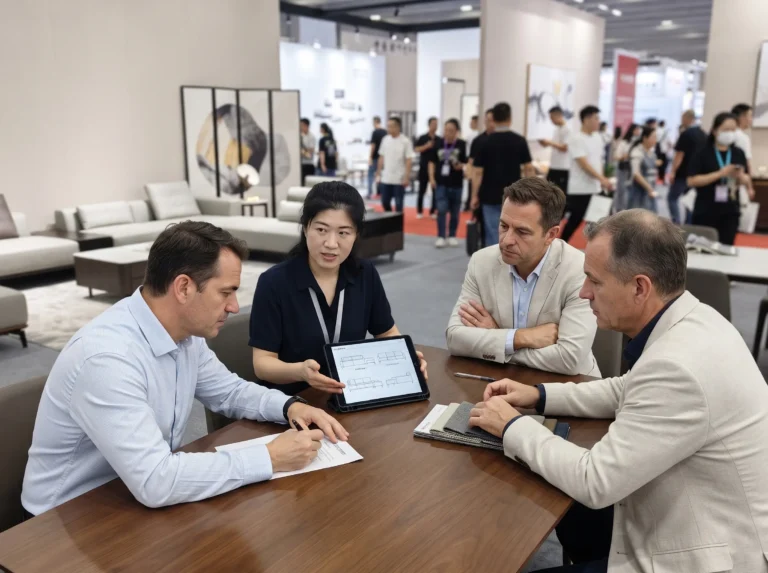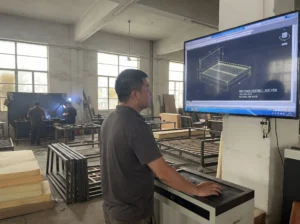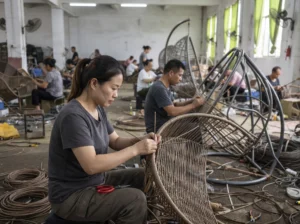






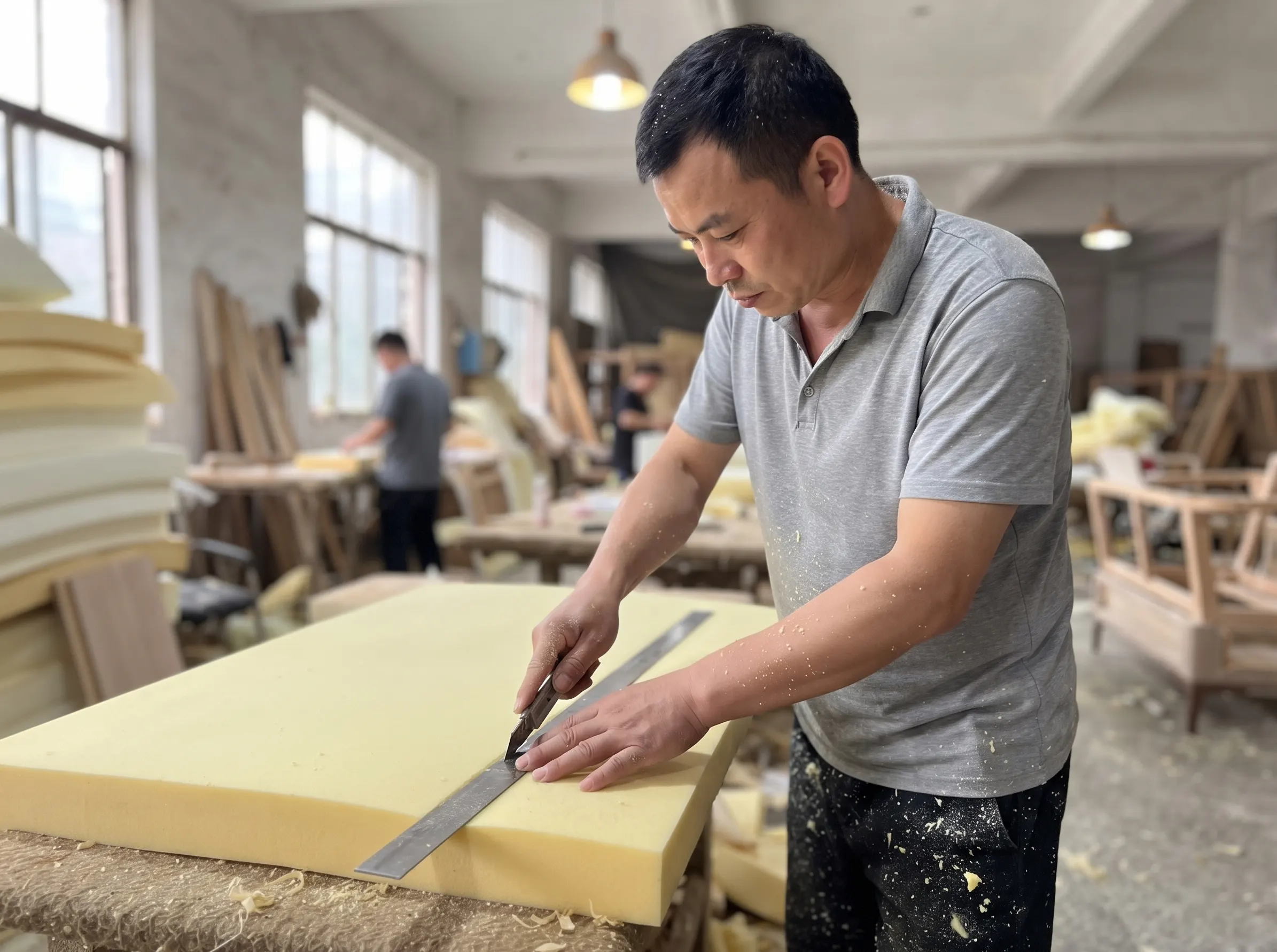
You found a supplier on Alibaba with glossy photos, a factory gate, and a promise of “direct manufacturer prices.” You visited their showroom. Everything looked professional. But six months later, the delivery is late, the quality is inconsistent, and when you ask to visit the workshop, they say it is “under renovation.” You are not dealing with a factory. You are dealing with a trading company wearing a factory costume. And in the world of trading company vs factory China, this distinction is the difference between control and chaos.
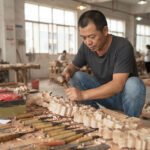
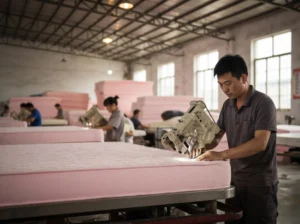
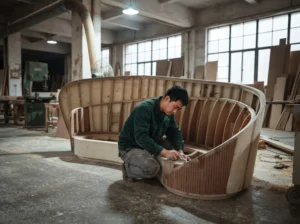
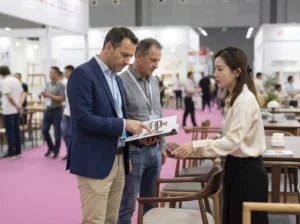
We have walked through enough workshops in Foshan Longjiang and Ningbo Cixi to spot the difference within ten minutes. Real factories smell like glue, sawdust, and solvent. They have production schedules on the wall, raw material stacks in the yard, and workers who look surprised to see a foreign visitor. Trading companies, even the ones with impressive offices and factory signs, have polished showrooms, vague answers about production capacity, and a strange inability to show you the workshop floor during “working hours.”
Why Direct Manufacturer Identification Actually Matters
Buyers often ask us, “Does it matter? If the price is good and the product arrives, why do I care who makes it?” It matters because the entity you contract with determines everything that happens after you sign.
A real factory controls its own production schedule, its own quality standards, and its own material sourcing. If something goes wrong, you can walk to the workshop floor and fix it. A trading company controls none of these. They control the relationship with you, and they control the margin between your price and the factory’s price. When quality fails, they have no leverage over the real producer. They can only forward your complaints, translate your anger, and hope the factory listens. Spoiler: the factory does not listen to middlemen.
This is the core risk of middleman detection failure. You think you have a direct relationship. You actually have a relationship with a salesperson who has a relationship with a factory that has fifty other clients. Your priority is somewhere in the middle of that queue. When the factory is busy, your order gets pushed. When materials are short, your order gets substituted. The trading company cannot stop it. They are not even in the building when it happens.
The 5-Question Test
Over the years, we have refined five questions that separate real factories from trading companies with remarkable accuracy. We use them in every first meeting. The answers, and the hesitation before them, tell you almost everything you need to know.
Question 1: “What is your monthly production capacity for this specific product, and what is your current utilization rate?”
A real factory knows this number to the unit. They will say something like, “We make four hundred dining chairs per day on this line, and right now we are at seventy percent capacity because of the holiday slowdown.” A trading company will give you a vague, inflated number. “We can produce ten thousand units per month.” They have no line. They have no capacity. They have a network of subcontracted workshops that may or may not have space when your order arrives. The specificity of the answer is your first filter.
Question 2: “Can you show me the workshop where this product is made, and can I speak to the production manager?”
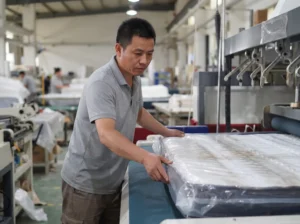
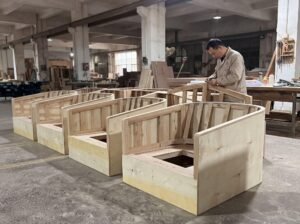
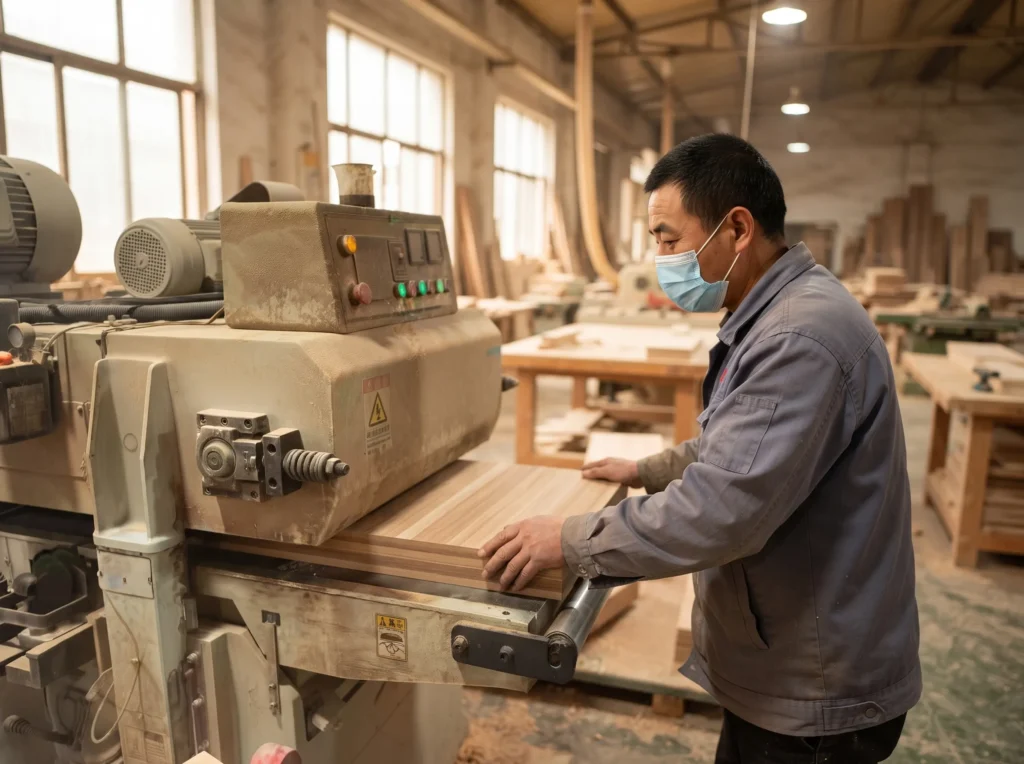
This is the moment of truth. A real factory will walk you to the floor immediately. They are proud of their machinery. They want you to see the CNC router, the edge banding machine, the spray booth. The production manager will have grease on his hands and a clipboard with today’s target numbers. A trading company will delay. They will say the workshop is “too messy today,” or “the manager is at a meeting,” or “we prefer to show you the sample room.” If you cannot see the floor and speak to the person who actually schedules the machines, you are not in a factory.
Question 3: “What is your in-house capability versus what you subcontract, and can I see the list of your subcontractors?”
Even real factories subcontract some processes. Metal plating, complex upholstery, specialized glass cutting, these are commonly outsourced. But a real factory knows exactly what they make in-house and what they send out. They will show you the subcontractor list without hesitation because they have audited those suppliers and they have nothing to hide. A trading company will claim “everything is made in-house” or give you a vague, evasive answer. They do not know the subcontractors because they are not the ones managing them. The real factory is, and the real factory does not report to the trading company.
Question 4: “Can you show me the BOM for this product, including material grades, supplier names, and last purchase date?”
This question terrifies trading companies. The BOM is the Bill of Materials, the recipe that lists every component, every grade, every supplier, and the cost. A real factory has this document on a computer or in a file. They may ask you to sign an NDA before showing it, but they have it. A trading company rarely has the real BOM. They have a price list from the factory, a markup, and a hope that you will not ask for details. If they show you a BOM at all, it is often reconstructed from memory and inflated to hide their margin. Ask for the last purchase date. If they cannot give you a specific date, they are not the purchaser. They are the middleman.
Question 5: “If I place an order and there is a quality issue in batch three, who physically fixes the problem, and who pays for it?”
This question reveals the power structure. In a real factory, the production manager fixes the problem, the factory absorbs the cost if it is their fault, and the sales team coordinates with you. In a trading company arrangement, the trading company forwards your complaint to the factory, the factory argues about whether it is their fault, and the trading company is caught in the middle with no leverage to enforce a correction. The answer you want to hear is: “We have a QC team on the floor. If it is our error, we re-make it at our cost.” The answer that warns you is: “We will communicate with the factory and get back to you.”
A Real Case
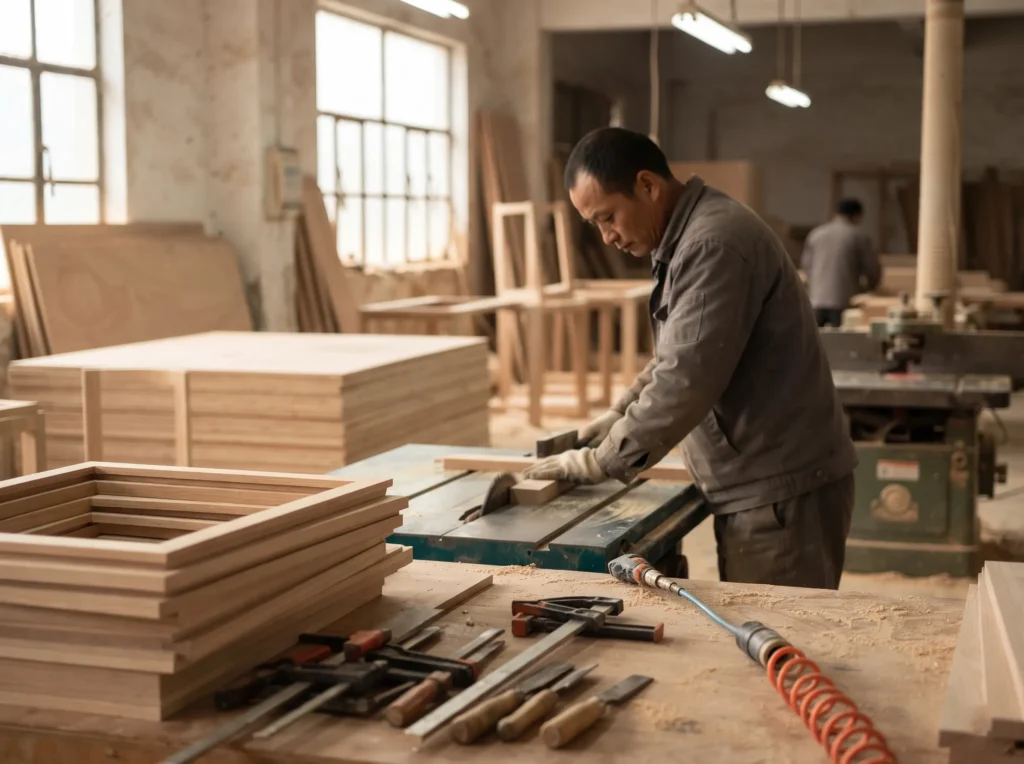
We once visited a “factory” in Shenzhen that had a beautiful three-story office building, a showroom with Italian furniture, and a wall covered in certificates. We asked to see the workshop. The sales manager walked us to a separate building five hundred meters away. It was a shared warehouse with six different small workshops, none of which had the company name on the door. The “factory” was renting space, outsourcing production, and presenting itself as a direct manufacturer. The buyer had been working with them for two years and had no idea. The trading company had a margin of thirty-five percent. The buyer thought they were getting factory-direct pricing.
The Red Flags That Show Up Before You Ask
Sometimes you do not even need the five questions. The red flags are visible in the first five minutes. Watch the company name against the factory sign: if the business card says “Guangzhou Elegant Furniture Trading Co., Ltd.” but the gate says “Foshan Sanhe Woodworking Factory,” you are already in a middleman relationship. A perfect showroom paired with a workshop that is always “off-site” is the second tell, because any factory that cannot show you production in the same building, or within a five-minute walk, is almost certainly not the primary producer. Then count heads. In a real factory the sales team is small, support staff for the production engine, while in a trading company sales is the whole business. If you meet six salespeople and zero production managers, you are in a showroom, not a factory. Prices that move too easily are another giveaway. Real factories carry fixed costs, materials, labor, rent, utilities, so their prices sit in a narrow band, whereas a trading company has more margin to play with because their cost is the factory price plus their markup. If they drop the price twenty percent after one negotiation round, they were never a factory to begin with. And listen for the stall: ask about the wood drying process or the foam grade in the sofa. A factory technician answers on the spot. A trading company says, “Let me check with the engineer and get back to you.” They are checking with the real factory, which they do not control.
The Hidden Costs of Getting It Wrong
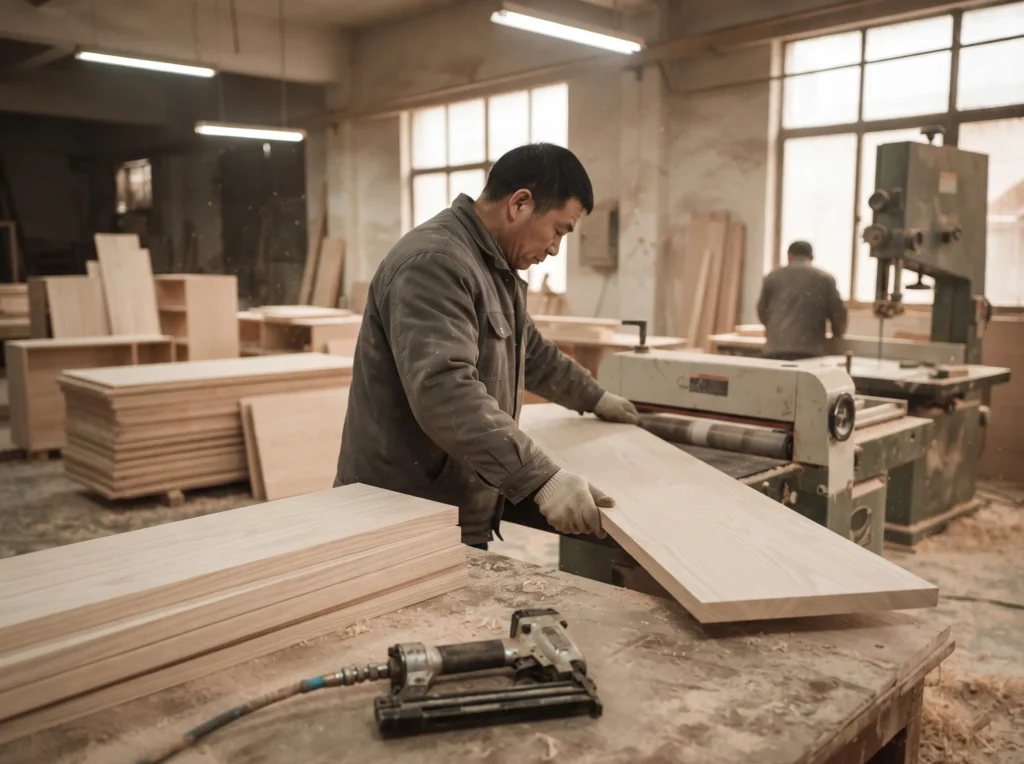
The buyers who fail at this pay a price that never shows on the invoice. The trading company margin is the obvious one, usually fifteen to forty percent above the factory price. The hidden costs are worse. Quality drift comes first: the trading company has no control over the factory’s process changes, so batch three can be completely different from batch one and they cannot stop it. Delayed response is next, because when a problem arises the trading company has to communicate with the factory, translate the issue, and wait, which adds days to every correction cycle. Lost leverage follows, since a factory will prioritize direct clients over trading company orders, they pay faster and complain louder, and your order is always secondary. Then there is IP leakage: trading companies shop your designs to multiple factories to get the best price, and your “exclusive” design turns up in five showrooms within six months. We have watched that happen repeatedly.
How to Verify Before You Sign
If you are unsure whether your supplier is a factory or a trading company, three verification steps cost almost nothing and reveal almost everything. First, check the business license. In China the business license states the registered business scope, and if the scope includes “trading” or “import/export” but not “manufacturing” or “production,” they are legally a trading company regardless of what they claim. Second, use the VAT invoice test. Ask for a sample VAT invoice. A real factory issues one with a manufacturing tax classification, while a trading company issues one with a trading classification, and the difference is visible right on the invoice. Third, check the registered address on Amap or Baidu Maps. A real factory sits in an industrial zone, but a trading company is often in a commercial office building or a residential complex. Satellite images do not lie.

FAQ
Can a trading company ever be better than a factory for furniture sourcing?
In trading company vs factory China, trading companies offer value only for very small orders, multi-product consolidation, or when you need a local liaison who speaks fluent English. For serious volume, direct factory relationships offer better pricing, quality control, and design protection.
How much markup do trading companies typically add?
Most trading companies add fifteen to thirty-five percent above the factory cost. Some add more. The only way to know is to compare their quote against a direct factory quote for the same specification, which is why direct manufacturer identification matters so much.
Is it safe to buy from a trading company if they have a good reputation?
Reputation helps, but it does not solve the structural problem. A trading company still cannot control the factory’s production schedule, material choices, or quality process. A good reputation means they handle complaints well. It does not mean they prevent the problems that cause the complaints.
Can I work with both a trading company and a factory for the same product?
You can, but it creates conflicts. The factory will prefer to deal with you directly to avoid the trading company’s margin. The trading company will try to prevent direct contact to protect their position. Choose one path and commit to it. Mixed relationships almost always fail.
What is the fastest way to confirm a factory is real during a video call?
Ask for a live video walkthrough of the workshop floor during working hours. Not the showroom. Not the office. The workshop. Ask to see the specific machine that makes your product. Ask the person holding the camera to speak to a production worker. Middleman detection in the video era is simple: if they refuse a live workshop walkthrough, they are not a factory.

Recommended Resource
Interi Furniture specializes in custom furniture manufacturing for residential, hospitality, and commercial projects. Their experience in materials, craftsmanship, and project realization makes them a valuable resource for designers and buyers seeking tailored furniture solutions from China.